Ontario · area guide · 20 communities · checked October 8, 2026
Home energy audits, radon and well water testing in the Waterloo Region townships
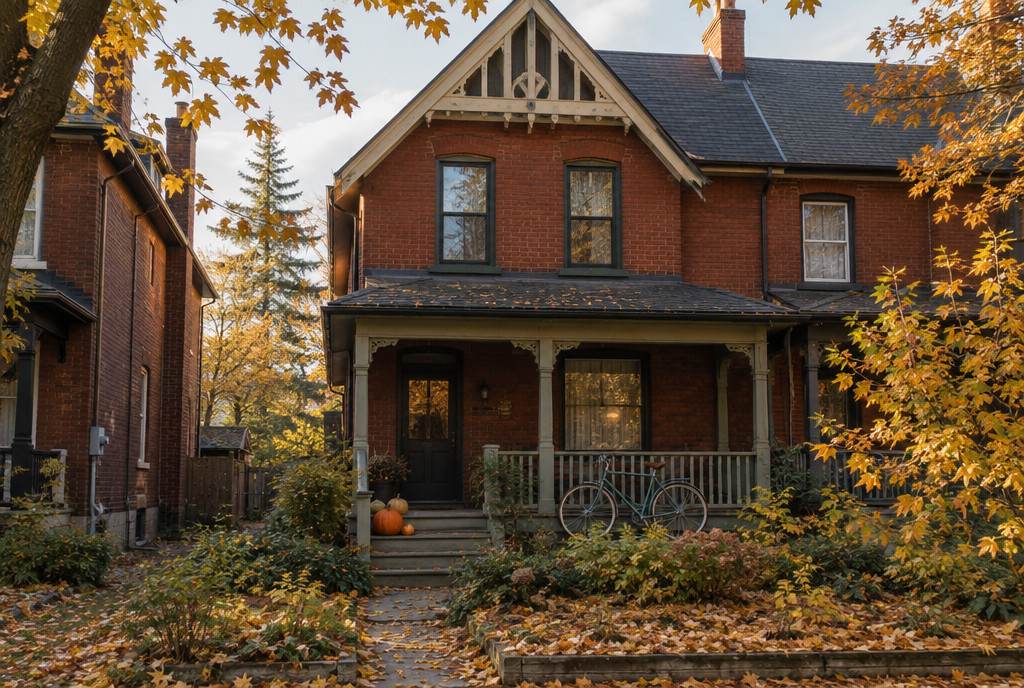
The four towns and townships on this page are home to 70,365 people (2021 Census), and 23% of their houses were built before 1961. This guide covers 20 communities, from Elmira, St. Jacobs, New Hamburg and Ayr to the smallest hamlets, with the local numbers that shape an energy audit or a home health test.
Population (2021)
70,365
Communities listed
20
Houses built before 1961
23%
How the Waterloo Region townships is built
- Before 1961 23%
- 1961–1990 30%
- 1991–2000 12%
- 2001 or later 35%
This page covers the four rural townships of the Region of Waterloo: Woolwich, Wellesley, Wilmot and North Dumfries. Kitchener, Waterloo and Cambridge have their own pages. Listowel and Poole in neighbouring Perth County are listed as nearby communities.
Great Lakes–St. Lawrence Southern Ontario and southern Quebec
the Waterloo Region townships’s climate: Great Lakes–St. Lawrence
Cold winters and hot, humid summers: seal the attic, dry the basement, plan cooling.
This region has real winters and hot, humid summers, so bills come from both heating and cooling. Natural gas heats most Ontario homes, while most Quebec homes use low-cost electricity. An EnerGuide evaluation here should cover air sealing and the attic, cooling and dehumidification, and keeping the basement dry before insulating it.
Seal air leaks and top up the attic
Air sealing is still the first retrofit. In the snowier Ottawa–Montreal–Sherbrooke belt, a leaky, under-insulated attic also causes ice dams.
Right-size cooling to control humidity
In humid summers, an oversized air conditioner or heat pump cools quickly but shuts off before removing moisture, leaving rooms clammy. A heat pump replacing the air conditioner also covers much of the heating.
Keep the basement dry before insulating
Basements can be about 20% of heat loss, but insulating a damp basement from the inside can rot the new wall. Flash floods have hit Toronto and Montreal repeatedly.
When to book: Book the evaluation in winter (December to February) for clear thermal scans, and start a 3-month radon test in fall. Check the basement after spring thaw or heavy rain, and line up cooling work before summer.
Everything homes in Waterloo need →
Sources for this climate guide · checked October 26, 2026
- National Building Code of Canada 2020, climate data (NRC)
- Canadian Climate Normals 1991–2020 (ECCC)
- Keeping the Heat In (NRCan)
- Air-Source Heat Pump Sizing and Selection Guide (NRCan)
- Heating and Cooling With a Heat Pump (NRCan)
- Heat pump basics (NRCan)
- Gas and heat pump hybrid systems (NRCan)
- Primary heating systems by household, Table 38-10-0286-01 (Statistics Canada)
- Electricity price comparison, April 2025 (Hydro-Québec)
- Canada's top weather stories of 2018 (ECCC)
- Canada's top weather stories of 2022 (ECCC)
- Canada's top weather stories of 2023 (ECCC)
- Canada's most impactful weather stories of 2024 (ECCC)
- Canada's top weather stories of 2025 (ECCC)
- 2024 Cross-Canada Survey of Radon Exposure
- Guide for Radon Measurements in Homes (Health Canada)
- Conditions for thermal scans, ASTM C1060 summary (Cx Associates)
Six local guides for the Waterloo Region townships
Energy audits and heat pump sizing
Waterloo Region townships at a glance
People and homes
70,365 people and 24,803 private dwellings in 2021, up 5.0% in population since 2016.
Housing
Of the 22,550 houses in the Waterloo Region townships (single-detached, semi-detached, row houses, duplexes and mobile homes), 23% were built before 1961 and 53% before 1991, according to the 2021 Census. The typical house dates from 1981–1990.
Climate
Environment and Climate Change Canada's 1981–2010 climate normal at Waterloo Wellington Airport (15.4 km from the middle of the area) is 4,194 heating degree-days a year, with a January mean of −6.5°C. The building code's 2.5% January design temperatures for the area run from −18°C to −19°C.
Radon
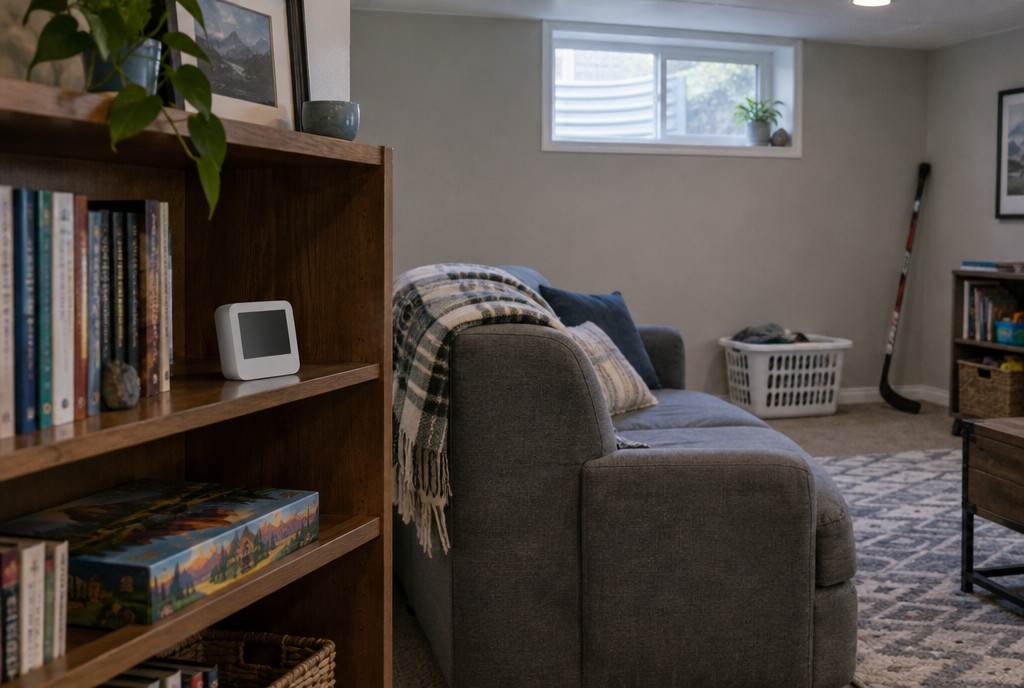
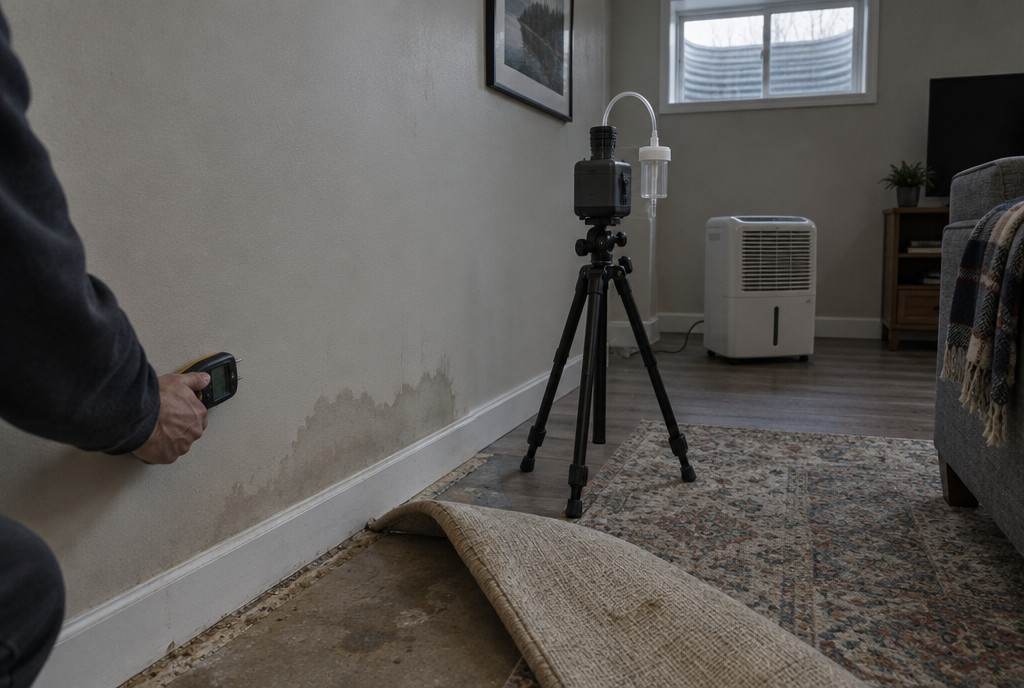
In Health Canada’s 2012 survey, 4% of 101 homes tested in the Waterloo Health Unit were above the guideline. The larger 2024 Cross-Canada survey reports 10.2% (1 in 10) of houses at or above the guideline for the Kitchener–Cambridge–Waterloo metro area.
Wells
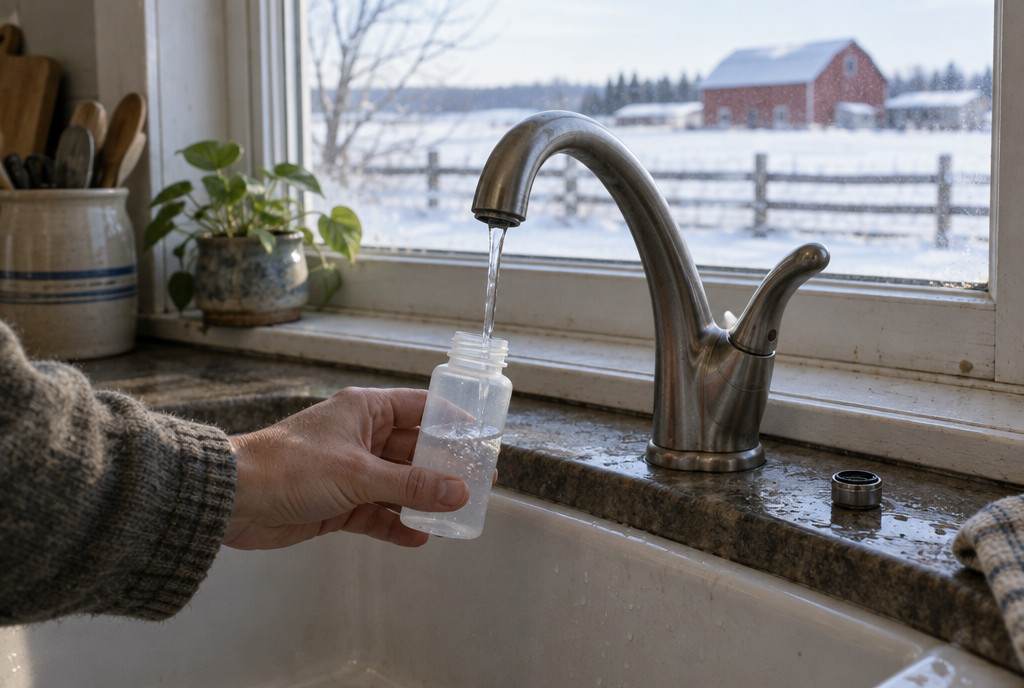
Bacteria testing is free, funded by Public Health Ontario; nitrate or fluoride tests cost $21.40 each. In the townships, bottles are picked up and samples dropped off at the North Dumfries, Wellesley, Wilmot and Woolwich township offices (rural drop-off is on Tuesdays); the Woolwich Community Health Centre takes bacteria samples, and Region of Waterloo Library branches hand out bottles only. The urban receptions at 150 Main Street, Cambridge and 99 Regina Street South, Waterloo take samples Monday to Thursday.
Energy advisors
NRCan's list (checked October 8, 2026) shows 23 service organizations registered for postal codes in Elmira and Baden. Confirm they travel to your community.
Heating
Province-wide, 58% of Ontario households heat mainly with natural gas, 18% with electricity, 4% with propane and 1% each with oil and wood (Statistics Canada, 2023); there's no published breakdown for this area alone.
Every community in the Waterloo Region townships
Grouped by municipality, with 2021 Census populations. Names come from Natural Resources Canada's geographical names database and Statistics Canada's population centres.
- Township of Woolwich 26,999Bloomingdale, Breslau, Conestogo, Elmira, Heidelberg, St. Jacobs, West Montrose
- Township of Wilmot 21,429New Dundee, New Hamburg, Petersburg, St. Agatha
- Township of Wellesley 11,318Hawkesville, Linwood, St. Clements
- Township of North Dumfries 10,619Ayr, Branchton
Nearby in Perth County
- Municipality of North Perth 15,538Listowel
- Township of Perth East 12,595Poole
Covered on city pages
Who does the work in the Waterloo Region townships
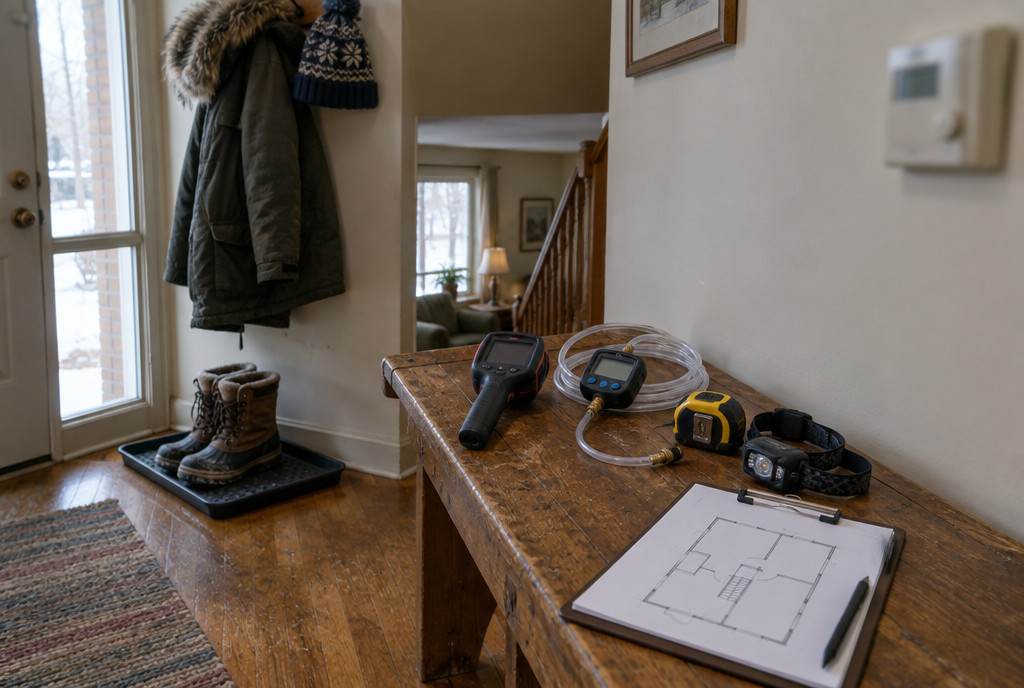
- Energy evaluations and heat loss calculations: NRCan's list (checked October 8, 2026) shows 23 registered service organizations for postal codes in Elmira, Baden. See them with phone numbers; confirm they travel to your community.
- Radon: certified measurement and mitigation professionals are listed in the C-NRPP directory ↗.
- Wood stoves and chimneys: WETT-certified professionals are listed in the WETT directory ↗; see wood-burning inspections in the Waterloo Region townships.
- Well water: free bacteria tests through the local public health unit; chemistry through a licensed private lab. Details for the Waterloo Region townships.
Rebates and financing for the Waterloo Region townships homes
Nearby city pages and guides
Sources
- Statistics Canada — 2021 Census population and dwelling counts (table 98-10-0002-01)
- Statistics Canada — 2021 Census, households by period of construction and dwelling type (table 98-10-0233-01)
- Statistics Canada — 2021 Census population centres (table 98-10-0011-01)
- NRCan — Canadian Geographical Names Database (official place names)
- Environment and Climate Change Canada — Canadian Climate Normals 1981–2010
- National Research Council — National Building Code of Canada 2020, Appendix C, Table C-2 (climatic design data)
- Health Canada — Cross-Canada Survey of Radon Concentrations in Homes, final report (2012), Table 5
- NRCan — Service organizations for existing homes (list checked October 8, 2026)
- Land Information Ontario — municipal boundaries (lower and single tier)
- Evict Radon National Study with Health Canada — 2024 Cross-Canada Survey of Radon Exposure (report v1.1)
- Region of Waterloo Public Health and Paramedic Services — private well water testing
- Statistics Canada — Households and the Environment Survey 2023, primary heating systems (table 38-10-0286-01)
Planning upgrades in the Waterloo Region townships?
Tell us where you are and what you’re planning. We’ll connect you with a registered service organization for your area — no spam, no shared lead lists.