Quebec · 16 local services · checked September 28, 2026
Home energy audits and home testing in Laval
Laval gets about 4,167 heating degree-days a year (a long heating season), 17% of its houses were built before 1961, and 3 NRCan-licensed service organizations list its postal codes. Pick a service for the local details.
Not sure what your house needs? Get your free plan → (six short steps, no email)
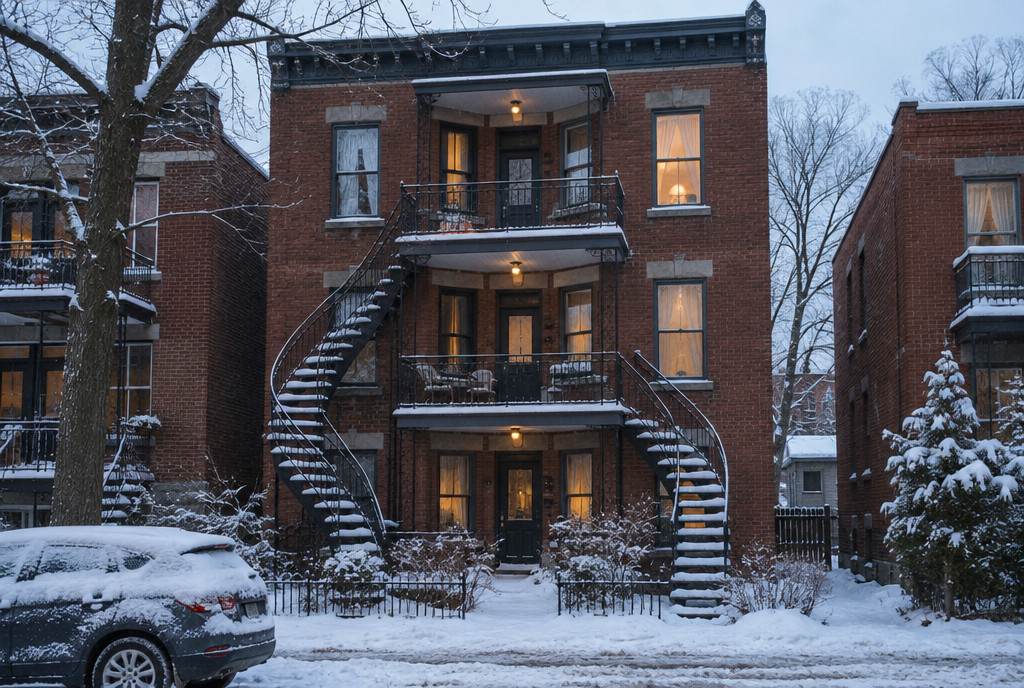
How Laval is built
- Before 1961 17%
- 1961–1990 50%
- 1991–2000 13%
- 2001 or later 20%
Laval at a glance
Climate
Laval gets about 4,167 heating degree-days a year, a measure of how much heating its climate needs, and its winter design temperature, the cold day heating systems are sized for, is −23.1°C. Those figures come from the climate data for Montréal International in HOT2000, the home-energy software Natural Resources Canada (NRCan) gives energy advisors. A long heating season: air sealing and insulation pay back well, and every leak costs money for months.
Housing
Of Laval's 101,460 houses (single-detached, semi-detached, row houses and duplexes), 17% were built before 1961 and 67% before 1991, according to the 2021 Census. The typical house dates from 1971–1980.
Heating
In the Montréal area, 54% of households heat mainly with electric baseboards, 15% with a heat pump, 10% with a forced-air furnace and 6% with a boiler and radiators; electricity is the main heating energy for 71% of households, natural gas for 5% and oil for about 2% (Statistics Canada, 2023).
Radon
Health Canada's 2012 survey found 12.1% of 107 homes tested in the Région de Laval health region above the guideline. The larger 2024 Cross-Canada survey reports 17.4% (1 in 6) of houses at or above the guideline for Montréal Metro Area (Montréal CMA).
Great Lakes–St. Lawrence Southern Ontario and southern Quebec
What homes in Laval need
Cold winters and hot, humid summers: seal the attic, dry the basement, plan cooling.
This region has real winters and hot, humid summers, so bills come from both heating and cooling. Natural gas heats most Ontario homes, while most Quebec homes use low-cost electricity. An EnerGuide evaluation here should cover air sealing and the attic, cooling and dehumidification, and keeping the basement dry before insulating it.
In Laval: Laval's heavy snow loads make attic air sealing important for preventing ice dams, and its river flooding in 2017 and 2019 makes basement water a priority. Most Montreal-area homes heat with electricity, and about 15% already use heat pumps.
What drives bills and comfort here
- Both seasons cost money: winters are cold, and summers bring 37 to 74 days a year with a humidex of 30 or more.
- Gas heats 50% to 85% of homes in Ontario cities; in Quebec most homes use electric heat, and 16% already heat with heat pumps.
- Electricity costs about 8.3¢/kWh in Montreal versus 14.4¢ in Ottawa and 15.6¢ in Toronto (April 2025), which shapes heat-pump savings.
- Basement flooding is a growing cost: 2024 storms flooded basements from Toronto to Montreal, with insured losses in the billions.
Local risks to plan for
- Laval declared a state of emergency in the 2017 spring floods and flooded again in 2019.
- Debby's August 2024 rains flooded more than 1,000 homes across southern Quebec.
- Radon: about 1 in 6 Montreal-area homes tested at or above the guideline in 2024.
What to check first, and why
-
Seal air leaks and top up the attic
Air sealing is still the first retrofit. In the snowier Ottawa–Montreal–Sherbrooke belt, a leaky, under-insulated attic also causes ice dams.
Ask your energy advisor: Ask for a blower door test and attic inspection, and whether old vermiculite insulation needs testing before any attic work.
Blower door testAttic inspectionAsbestos and vermiculite check
-
Right-size cooling to control humidity
In humid summers, an oversized air conditioner or heat pump cools quickly but shuts off before removing moisture, leaving rooms clammy. A heat pump replacing the air conditioner also covers much of the heating.
Ask your energy advisor: Ask for a room-by-room heat-loss calculation and a duct and airflow check before replacing your air conditioner or furnace.
-
Keep the basement dry before insulating
Basements can be about 20% of heat loss, but insulating a damp basement from the inside can rot the new wall. Flash floods have hit Toronto and Montreal repeatedly.
Ask your energy advisor: Ask the advisor to check grading, downspouts, foundation cracks and the sump, and to look for damp spots or white mineral stains.
-
Test for radon
About 1 in 6 homes in the Ottawa–Gatineau and Montreal areas tested at or above Health Canada's guideline in the 2024 survey; Kingston and Sherbrooke ranked among the highest municipalities.
Ask your energy advisor: Run a 3-month test in the heating season, and retest after air sealing or basement work.
-
Plan backup heat for power outages
Recent ice storms and the May 2022 derecho windstorm each left hundreds of thousands of customers without power. Every heat-pump plan needs backup heat and a safe way through an outage.
Ask your energy advisor: Ask how your home would stay warm in an outage, and keep baseboards or the furnace as backup when adding a heat pump.
Tests that matter most here
- Blower door test Measures leakage (ACH50) and, with a thermal scan, finds where air gets in. Best timing: Any season; pair it with a thermal scan in winter.
- Infrared (thermal) scan Shows missing insulation and air leaks as cold spots. Best timing: December to February, early morning or on an overcast day, with at least 10°C between inside and outside.
- Heat-loss calculation Prevents oversized equipment that short-cycles and dehumidifies poorly, and is needed to choose the right heat pump. Best timing: Before replacing an air conditioner or furnace, based on the house after planned upgrades.
- Radon test Moderate to high regional radon, and upgrades can change indoor levels. Best timing: At least 91 days, mostly in the heating season; retest after upgrades.
- Combustion safety test In gas-heated homes, tightening can cause spillage from older furnaces and water heaters. Best timing: During the blower door visit.
Upgrades that usually pay off here
- Air sealing plus attic insulation. Usually the best envelope payback. Today's new-home attic minimum here is about R-49, a good target for older homes. Don't disturb old vermiculite insulation until it's tested for asbestos.
- Heat pump instead of a new air conditioner. One machine gives efficient cooling and most of the heating. In Ontario it often pairs with the gas furnace; in Quebec, baseboards can stay as backup. Choose a cold-climate model in colder cities such as Ottawa, Montreal and Sherbrooke.
- Basement insulation, once it's dry. A large heat-loss area. Fix water entry first, then insulate.
- Covered sump and better drainage. NRCan lists a covered sump among basement moisture fixes. Extending downspouts and sloping soil away from the house help keep storm water out.
- ERV for balanced ventilation. Brings in fresh air while recovering heat; NRCan suggests ERVs where cooling loads are high, as they are here.
Heating and cooling equipment
- In colder cities such as Ottawa, Montreal and Sherbrooke, choose a cold-climate heat pump. Along Lakes Erie and Ontario, good variable-speed units cover most hours, with backup heat.
- When a heat pump replaces the air conditioner, size it to balance heating and cooling; NRCan's guide caps cooling capacity at about 125% of the cooling load.
- Electric backup (baseboards or strips) can run with the heat pump; a furnace in a hybrid system takes over instead of running at the same time.
- For dehumidification, run the indoor fan on low in cooling mode, and size equipment so it runs long cycles.
Health and comfort
- Damp basements: run a dehumidifier in summer, and keep indoor relative humidity below about 40% in cold weather to avoid condensation and mould.
- Wildfire smoke can travel far: Ottawa's fine-particle level hit 511 on June 7, 2023 (normal is 4 to 11), and Montreal briefly had the world's worst air that month.
- Heat: Ottawa reached a humidex of 47 in the 2018 Canada Day heat wave. Make sure at least one room can be kept cool.
- Radon: about 1 in 6 homes across Central Canada tested at or above 200 Bq/m³ in the 2024 survey, though only about 1 in 22 in the Toronto area.
Common mistakes in this climate
- Insulating a damp basement from the inside. Trapped moisture rots the new wall and feeds mould. Fix drainage and leaks first.
- An oversized air conditioner or heat pump. It short-cycles, removes less humidity and wears out faster.
- Tightening a gas-heated home without a safety test. Older gas appliances can spill exhaust into a tighter house. Ask for a combustion safety test.
- Leaving hybrid controls on factory settings. The switchover between heat pump and furnace should match your gas and electricity prices. Ask how it's set.
When to book: Book the evaluation in winter (December to February) for clear thermal scans, and start a 3-month radon test in fall. Check the basement after spring thaw or heavy rain, and line up cooling work before summer.
Sources for this climate guide · checked October 26, 2026
- National Building Code of Canada 2020, climate data (NRC)
- Canadian Climate Normals 1991–2020 (ECCC)
- Keeping the Heat In (NRCan)
- Air-Source Heat Pump Sizing and Selection Guide (NRCan)
- Heating and Cooling With a Heat Pump (NRCan)
- Heat pump basics (NRCan)
- Gas and heat pump hybrid systems (NRCan)
- Primary heating systems by household, Table 38-10-0286-01 (Statistics Canada)
- Electricity price comparison, April 2025 (Hydro-Québec)
- Canada's top weather stories of 2018 (ECCC)
- Canada's top weather stories of 2022 (ECCC)
- Canada's top weather stories of 2023 (ECCC)
- Canada's most impactful weather stories of 2024 (ECCC)
- Canada's top weather stories of 2025 (ECCC)
- 2024 Cross-Canada Survey of Radon Exposure
- Guide for Radon Measurements in Homes (Health Canada)
- Conditions for thermal scans, ASTM C1060 summary (Cx Associates)
- Canada's top weather stories of 2017 (ECCC)
- Canada's top weather stories of 2019 (ECCC)
Local service guides for Laval
Energy audits and tests
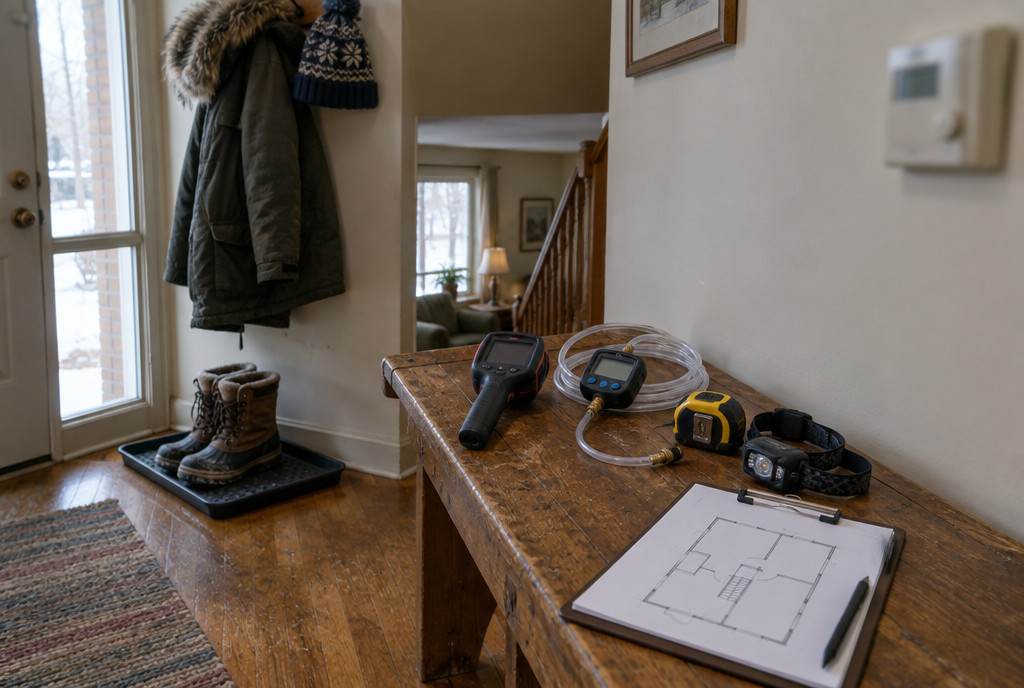
Home energy audit
3 licensed organizations Companies NRCan licenses to do EnerGuide evaluations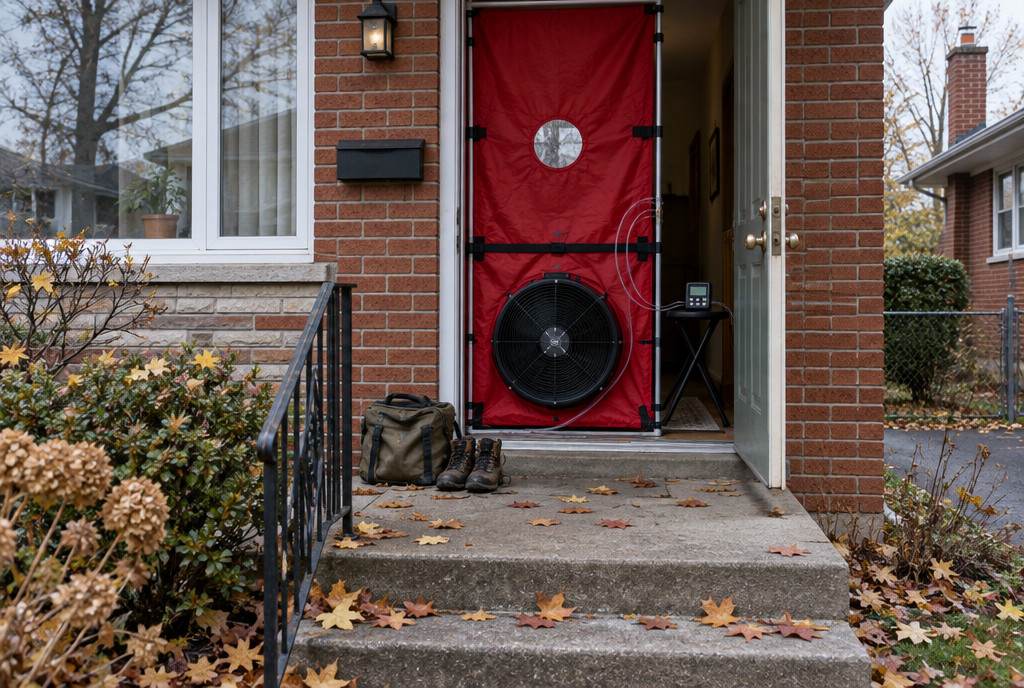
Blower door test
4,167 degree-days A long heating season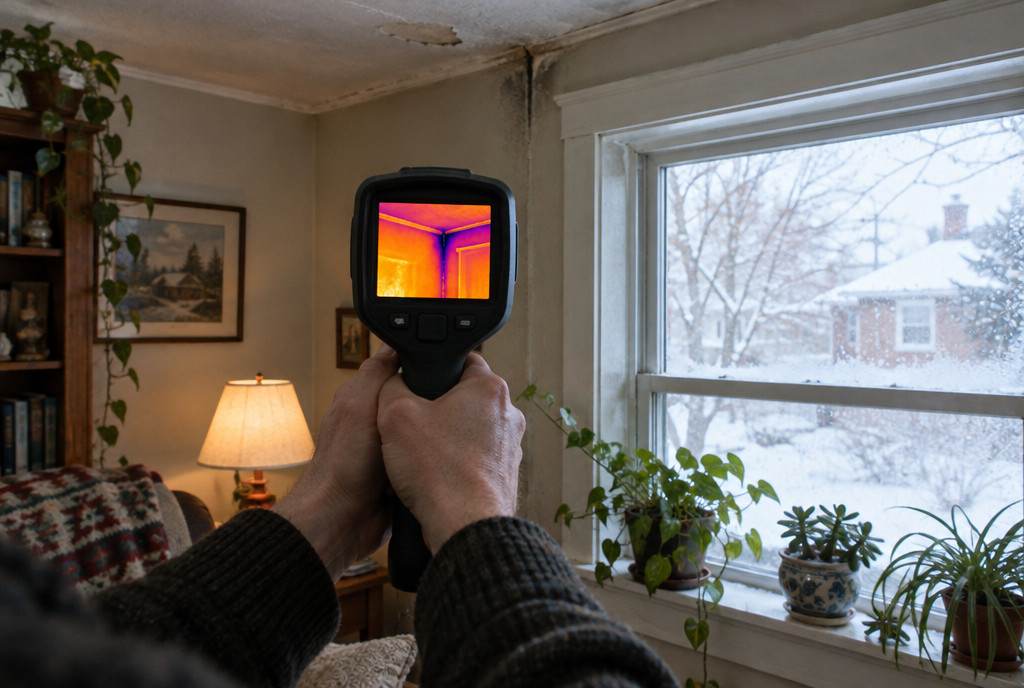
Thermal imaging inspection
4,167 degree-days A long heating season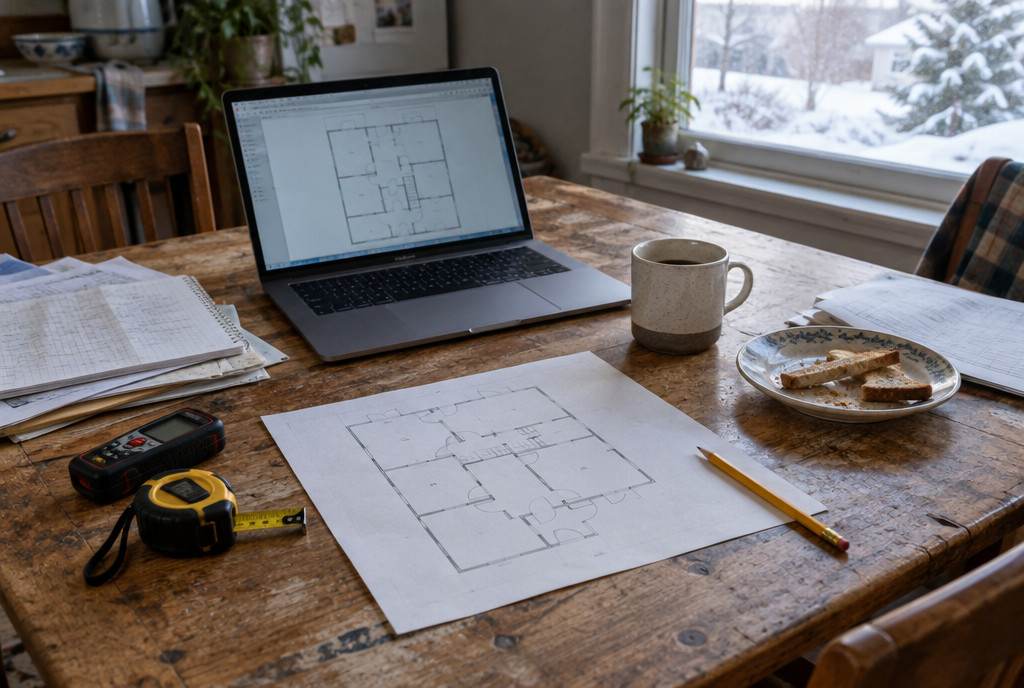
Heat loss calculation
Design temp −23.1°C The cold day heating is sized for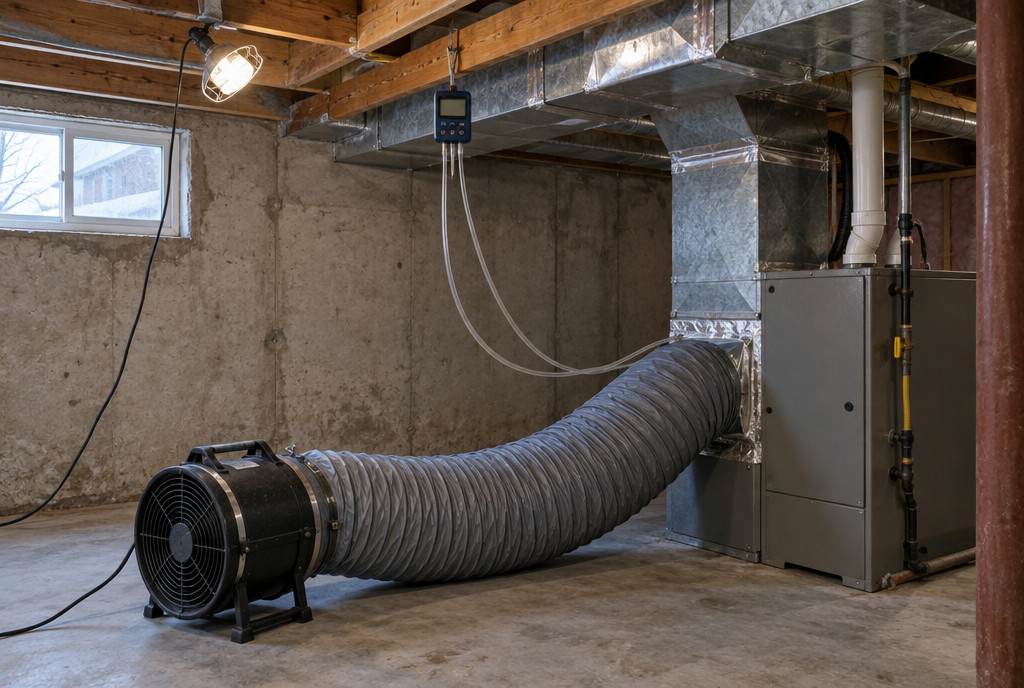
Duct leakage testing
10% forced-air Share of homes with ducts that can leak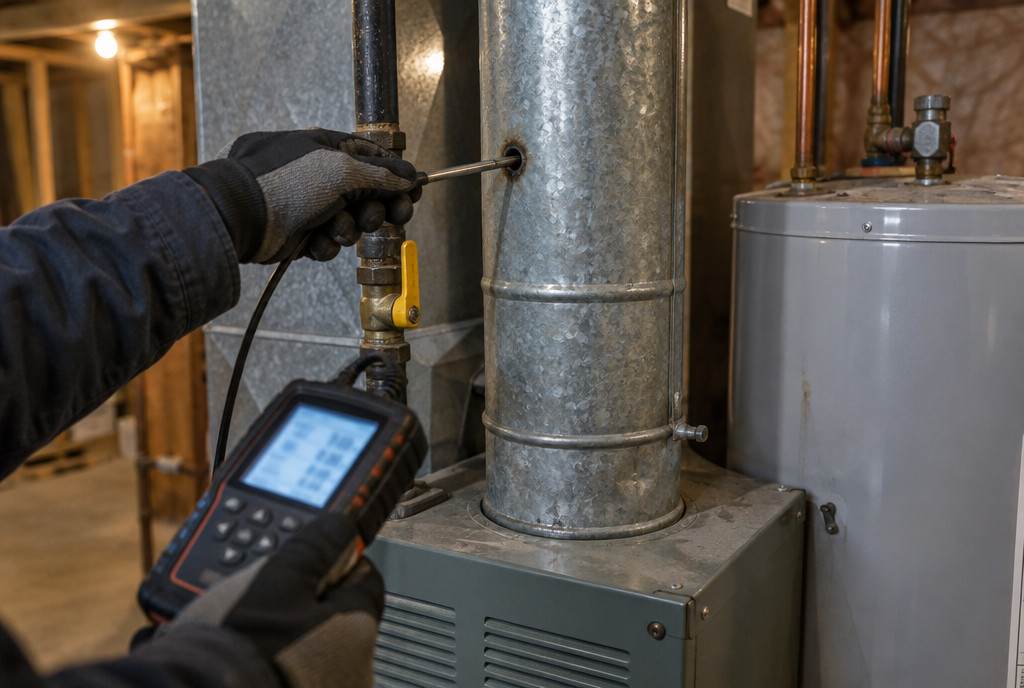
Combustion safety test
5% heat with gas Gas appliances need a venting check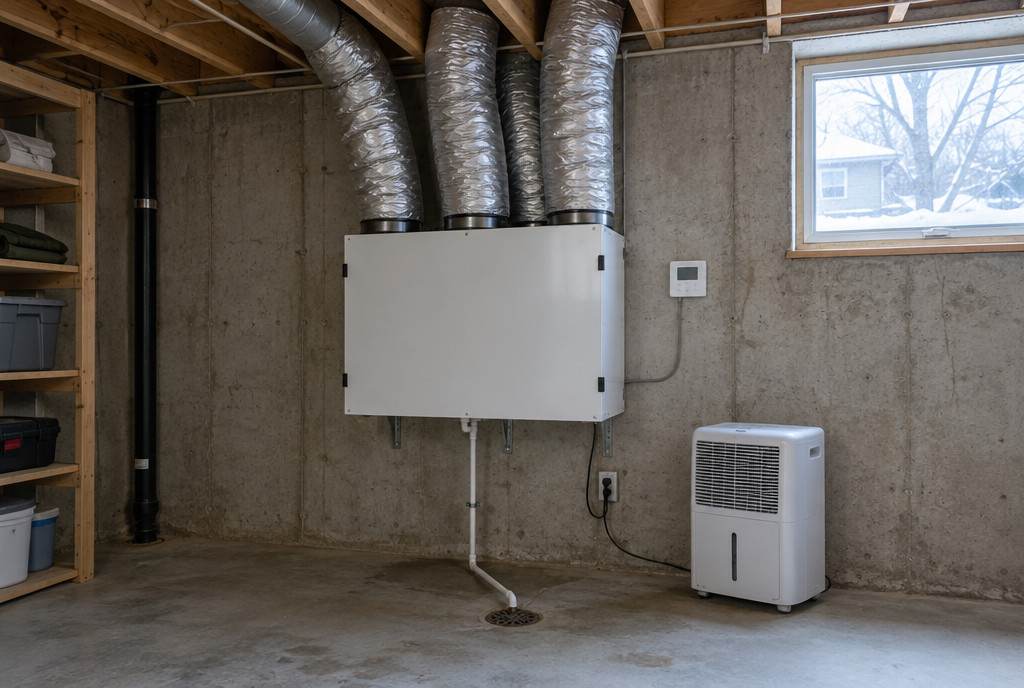
Ventilation and humidity assessment
20% built since 2001 Newer, tighter homes rely on fans or an HRV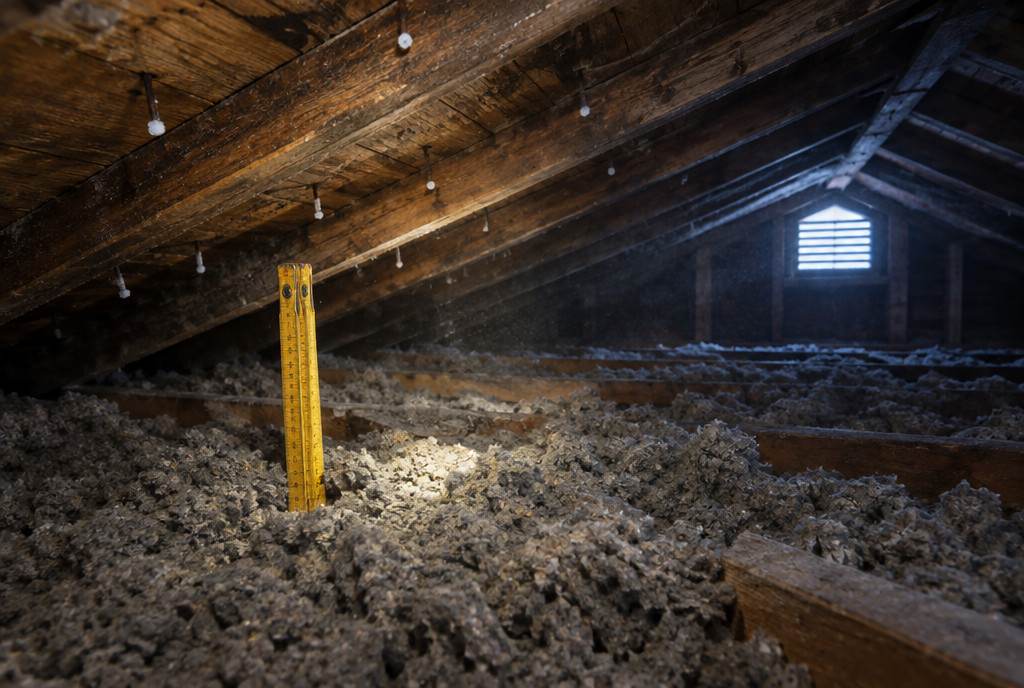
Attic insulation inspection
67% built before 1991 Older attics usually need more insulation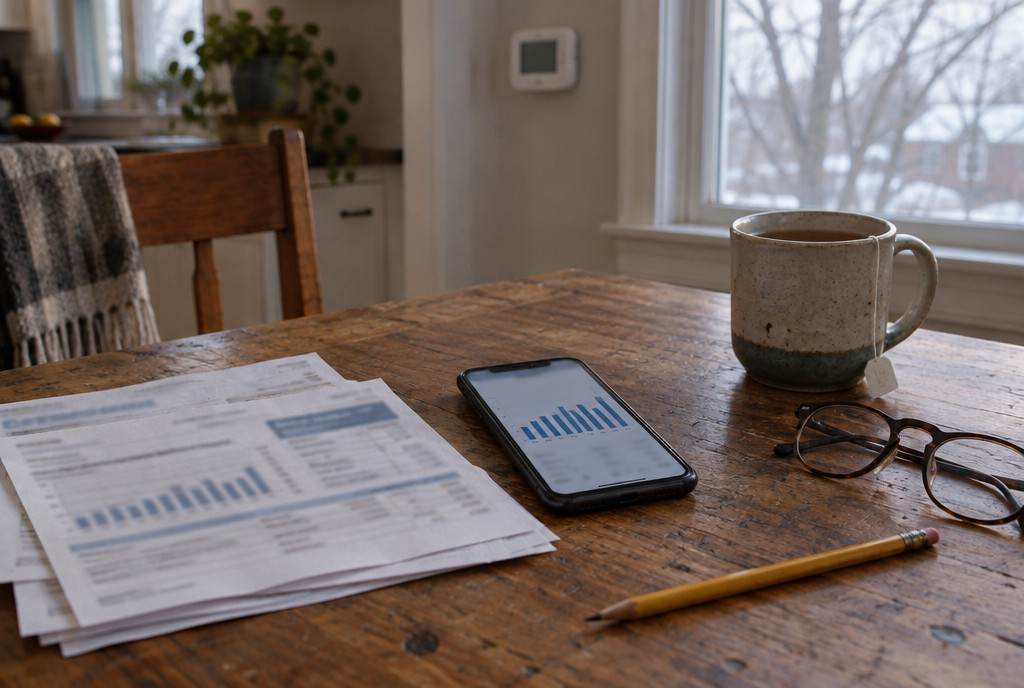
Energy bill analysis
Hydro-Québec Download 12 months of usage from your accountHome health tests
Radon testing
17.4% at or above guideline (2024) Neighbours' results don't predict yours: test
Carbon monoxide testing
Not required (recommended) Install alarms anyway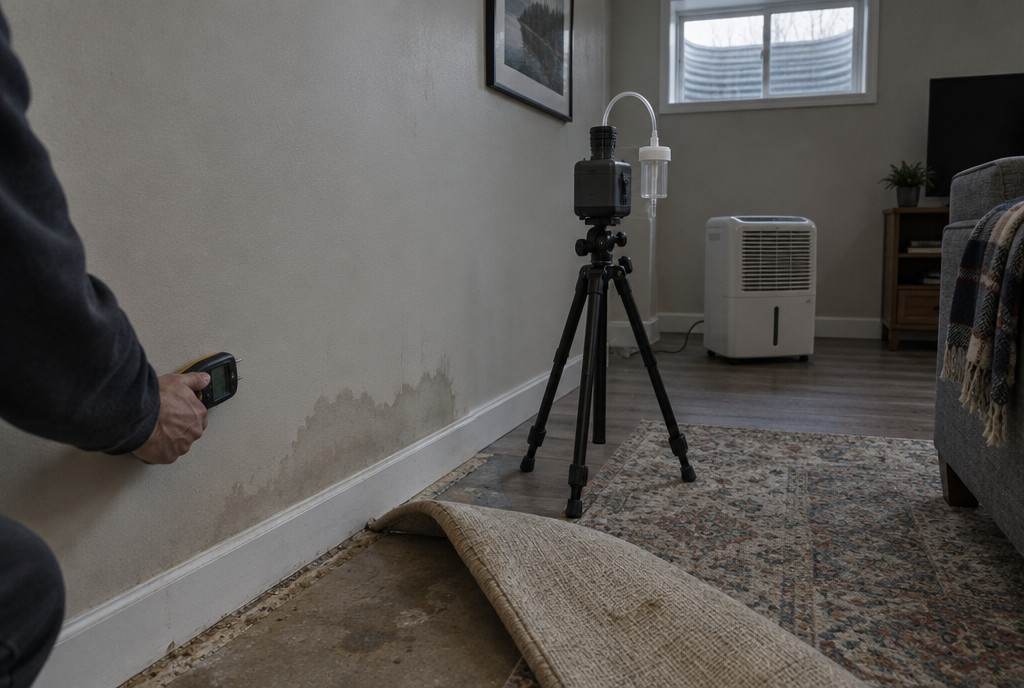
Mould and indoor air quality testing
67% built before 1991 Older homes have more damp spots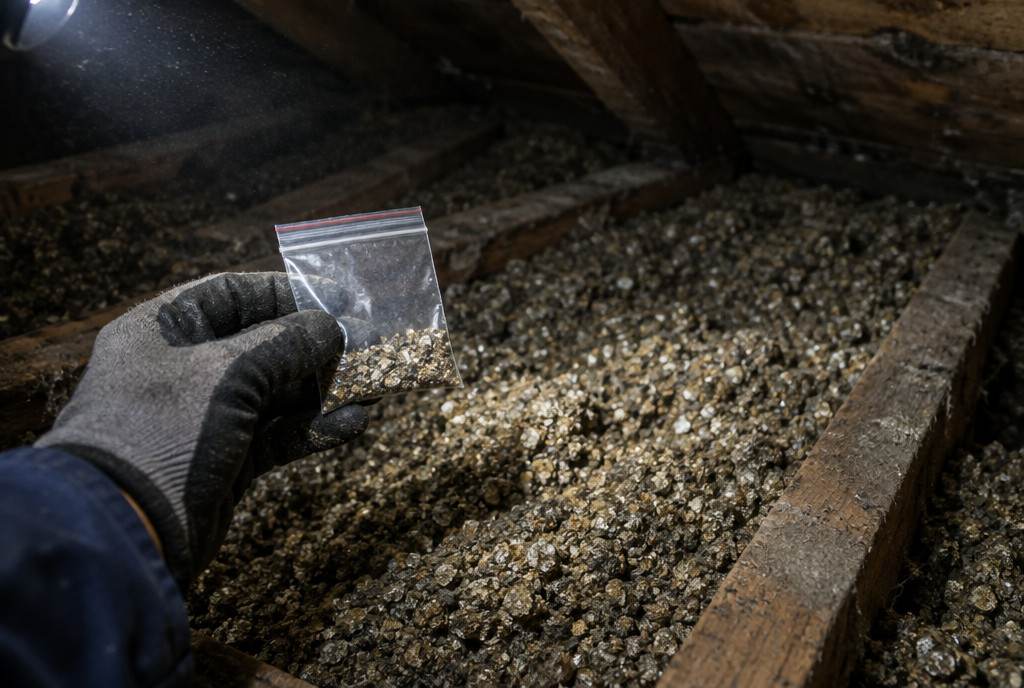
Asbestos and vermiculite testing
67% built before 1991 Common in materials until about 1990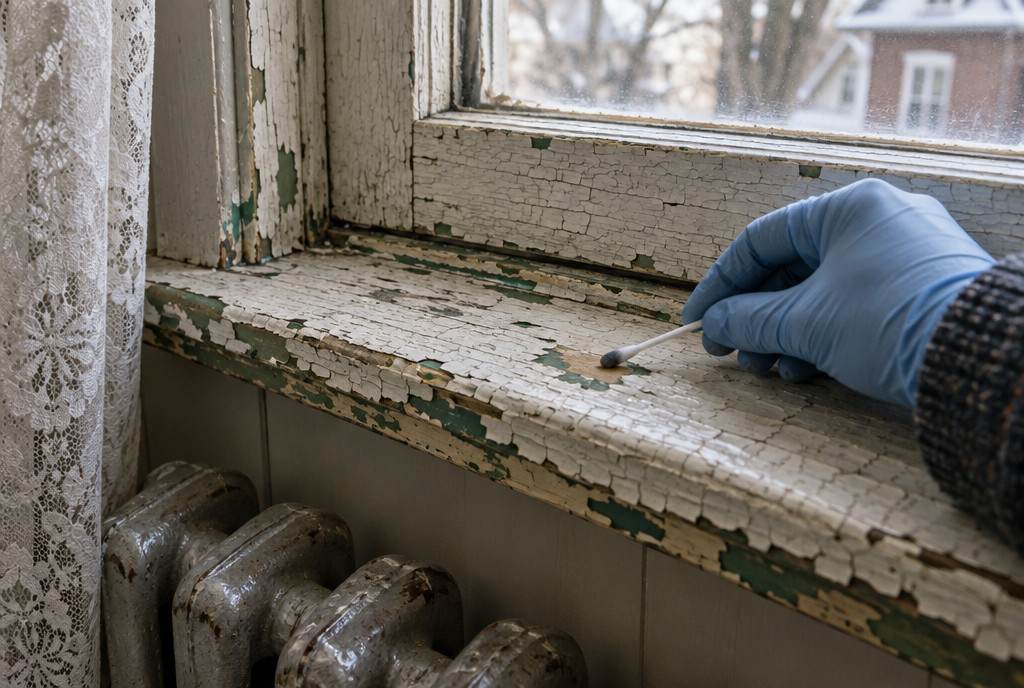
Lead paint testing
17% built before 1961 Pre-1960 paint probably contains lead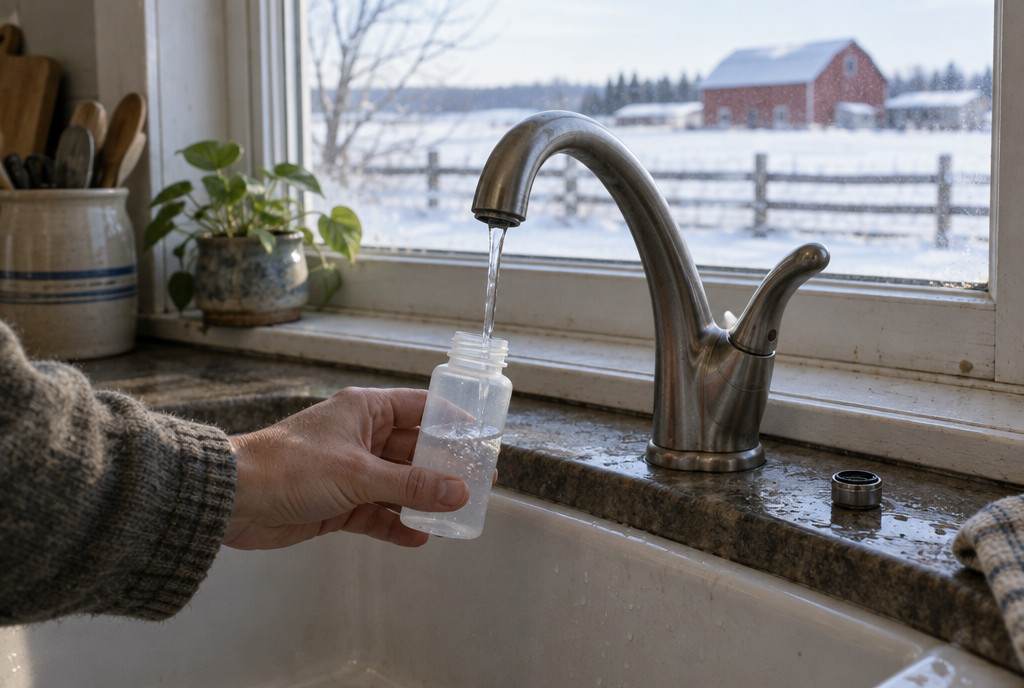
Well water testing
Wells in some areas Only homes on private wells need itFor businesses and buildings
Who does energy evaluations in Laval
In Quebec, EnerGuide evaluations for existing homes run through the provincial Rénoclimat program; the organizations below are the ones NRCan lists for Laval postal codes.
3 NRCan-licensed service organizations list Laval postal codes. See the list with phone numbers and coverage →
City programs in Laval
Subvention pour le remplacement d'un système de chauffage au mazout
City of Laval subsidy for replacing oil heating with a system powered only by electricity or renewables (geothermal, wind, solar, air-source heat pumps; propane and natural gas are excluded). Oil-only systems: $2,000 for a single-family home, $1,400 for a semi-detached or row house, $1,400 for a condo, $1,700 for a mobile home, $1,400 per eligible unit in a duplex or triplex, and $900 per unit (up to 20 units) in buildings of 30 units or fewer. Dual-energy (oil plus electric) systems get half those amounts. Apply through Mon dossier after the work is done (work completed since Sept 5, 2017), with proof the old system was decommissioned by a licensed contractor. Page updated Jan 30, 2026; no end date stated.
Rebates and financing for Laval homes
Cities near Laval
Sources
- Health Canada — Cross-Canada Survey of Radon Concentrations in Homes, final report (2012), Table 5
- Evict Radon National Study with Health Canada — 2024 Cross-Canada Survey of Radon Exposure (report v1.1)
- NRCan — HOT2000 Climate Map: heating degree-days and design temperatures for 403 locations
- Statistics Canada — 2021 Census, households by period of construction and dwelling type (table 98-10-0233-01)
- Statistics Canada — Households and the Environment Survey 2023, primary heating systems (table 38-10-0286-01)
- NRCan — Service organizations for existing homes (list checked September 25, 2026)
Planning upgrades in Laval?
Tell us where you are and what you’re planning. We’ll connect you with a registered service organization for your area — no spam, no shared lead lists.