Nova Scotia · 16 local services · checked September 28, 2026
Home energy audits and home testing in Halifax
Halifax gets about 3,870 heating degree-days a year (a moderate heating season), 22% of its houses were built before 1961, and EnerGuide evaluations are booked through Efficiency Nova Scotia's Home Energy Assessment. Pick a service for the local details.
Not sure what your house needs? Get your free plan → (six short steps, no email)
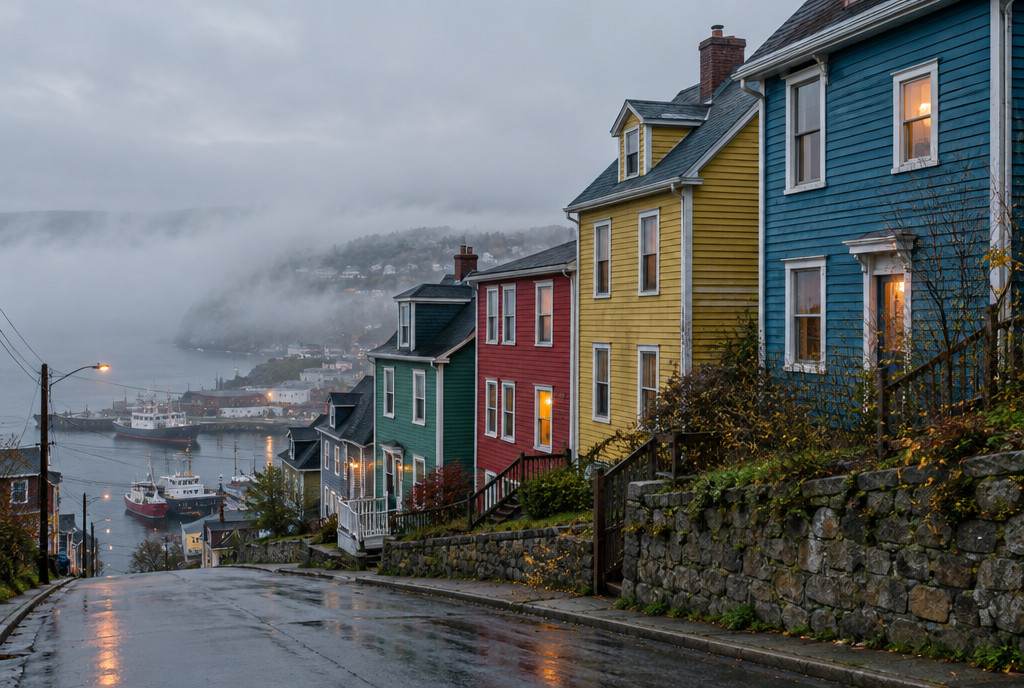
How Halifax is built
- Before 1961 22%
- 1961–1990 42%
- 1991–2000 14%
- 2001 or later 22%
Halifax at a glance
Climate
Halifax gets about 3,870 heating degree-days a year, a measure of how much heating its climate needs, and its winter design temperature, the cold day heating systems are sized for, is −15.9°C. Those figures come from the climate data for Shearwater in HOT2000, the home-energy software Natural Resources Canada (NRCan) gives energy advisors. A moderate heating season with warm summers: fixes should cut heating bills and keep the house cool.
Housing
Of Halifax's 121,700 houses (single-detached, semi-detached, row houses and duplexes), 22% were built before 1961 and 63% before 1991, according to the 2021 Census. The typical house dates from 1981–1990.
Heating
In the Halifax area, 26% of households heat mainly with a heat pump, 20% with electric baseboards, 20% with a boiler and radiators and 12% with a forced-air furnace; electricity is the main heating energy for 28% of households and oil for 23% (Statistics Canada, 2023).
Radon
Health Canada's 2012 survey found 13.6% of 103 homes tested in the Zone 6 health region above the guideline. The larger 2024 Cross-Canada survey reports 38.7% (1 in 3) of houses at or above the guideline for the Halifax, NS (Halifax CMA) metro area.
Atlantic Canada Maritimes and Newfoundland
What homes in Halifax need
Damp, windy, icy winters and costly oil: switch to heat pumps, seal, test for radon.
Atlantic winters are wet, windy and icy rather than extremely cold, and summers are mild. Heating oil is still common and its price rose sharply in 2026, while heat pumps already heat many homes. An EnerGuide evaluation here should plan the move off oil, seal wind-driven leaks, fix moisture before insulating, and include a radon test.
In Halifax: Halifax ranked among Canada's highest-radon municipalities in 2024, and oil still heats about 23% of area homes at about $2.31 a litre (September 2026). Plan a radon test, a cold-climate heat pump and moisture-safe air sealing.
What drives bills and comfort here
- Wind drives heat out: damp, windy winters push cold air through gaps in the house, and freezing rain is frequent.
- Oil still heats 28% of homes in Nova Scotia and PEI; heat pumps heat 31% in NS, about 41% in PEI and 48% in NB.
- Heating oil jumped 65% to 81% in a year: by September 2026 it averaged about $2.00 to $2.60 a litre in Atlantic cities.
- Electricity costs about 15.6¢/kWh in St. John's to 20.5¢ in Halifax (April 2025).
Local risks to plan for
- 173 mm of rain fell in Bedford in six hours on July 21–22, 2023, a national record.
- The June 2023 Tantallon wildfire destroyed about 150 homes in the Halifax area.
- About 10 days a year with freezing rain or drizzle.
- Dorian (2019) affected 80% of Nova Scotia Power customers.
What to check first, and why
-
Plan your move off oil
Oil prices rose 65% to 81% in a year, and corrosion is a leading cause of oil tank leaks. Cold-climate heat pumps can be up to three times as efficient as oil heating.
Ask your energy advisor: Ask the advisor to note your oil tank's age and condition, and to size a cold-climate heat pump with a backup plan.
Heat-loss calculationEnergy bill analysisCombustion safety test
-
Seal wind-driven leaks and the attic
Wind pushes cold air through gaps, and heavy, wet snow with frequent freezing rain makes a leaky attic prone to ice dams.
Ask your energy advisor: Ask for a blower door test on a calm day, with a thermal scan to find wind-driven leaks.
-
Fix moisture before you insulate
Halifax, St. John's, Saint John and Charlottetown get enough wind-driven rain that new walls must have a rainscreen. Stop water getting into walls and basements before adding insulation.
Ask your energy advisor: Ask the advisor to check the basement, attic sheathing and walls under windows for damp, and how bath fans vent.
-
Test for radon
Atlantic Canada had the highest radon of any region in the 2024 national survey: about 1 in 3 homes at or above Health Canada's guideline, and more than 1 in 3 in Nova Scotia.
Ask your energy advisor: Run a 3-month test in the heating season, and retest after air sealing or other upgrades.
-
Plan for storms and power outages
Dorian in 2019 affected 80% of Nova Scotia Power customers, and Fiona in 2022 cut power to over 600,000 homes and businesses. Keep backup heat until a heat pump has proven itself.
Ask your energy advisor: Ask where the outdoor unit should sit to stay clear of drifting snow and ice, and how you'd heat during an outage.
Tests that matter most here
- Blower door test Finds wind-driven leakage paths; a before-and-after test shows what sealing achieved. Best timing: December to March, on a calm day.
- Infrared (thermal) scan Shows insulation gaps and air leaks. Best timing: December to March, on a calm, overcast day with at least 10°C between inside and outside.
- Combustion safety test Checks that the oil burner and chimney vent safely, especially once air sealing changes indoor air pressure. Best timing: Before winter, and again after air sealing.
- Ventilation assessment Damp air and heavy rain make moisture the main risk; this checks fans, indoor humidity and signs of mould. Best timing: Late fall or the spring wet season.
- Radon test High regional radon. Best timing: At least 91 days in the heating season; retest after upgrades.
Upgrades that usually pay off here
- Cold-climate heat pump to replace oil or baseboards. Ductless mini-splits or a ducted system cut heating costs and add summer cooling. They're already common: mini-splits heat 38% of homes in the Moncton area. Keep the oil system or baseboards as backup until the heat pump has handled a cold snap and an outage.
- Air sealing plus attic insulation. Cuts wind-driven heat loss and helps prevent ice dams. Today's new-home attic minimum here is about R-49.
- Basement insulation after moisture control. Basements can be about 20% of heat loss; dry the basement first, then insulate.
- HRV for balanced ventilation. Removes winter moisture from a tighter house while recovering much of the heat.
- Replace a corroded oil tank, or remove it. Corrosion is a leading cause of tank leaks, and spill cleanups are expensive and can affect resale. If you keep oil, check the tank and lines for leaks after each fill.
Heating and cooling equipment
- Use a cold-climate heat pump, and keep existing oil or electric baseboards as backup for cold snaps and outages.
- If oil stays as backup, set its thermostat below the heat pump's so the heat pump does most of the work.
- Choose demand-defrost controls, which NRCan says are generally more efficient than timed defrost.
- An HRV usually suits damp coastal homes better than an ERV, which is suggested mainly for high cooling loads or dry indoor air.
Health and comfort
- Radon is a major hidden health risk here: the 2024 survey found about 1 in 3 Atlantic homes at or above 200 Bq/m³, the highest of any region.
- Damp and mould: run bath and kitchen fans, and keep winter relative humidity low enough to avoid condensation.
- Carbon monoxide: install CO alarms near oil appliances or a wood stove, and in each bedroom area.
- Wildfire can reach city edges: the June 2023 Tantallon fire destroyed about 150 homes in the Halifax area.
Common mistakes in this climate
- Ignoring an old oil tank. Corrosion is a leading cause of leaks, and cleanups are expensive and can hurt resale.
- Removing all backup heat too soon. Keep a backup until the heat pump has proven itself through a cold snap and a power outage.
- Insulating a damp basement from the inside. Trapped moisture can rot new framing and feed mould. Fix water entry first.
- Air sealing a damp house without ventilation. A tighter house holds more moisture; add fans or an HRV at the same time.
When to book: Book the evaluation from December to March, on a calm day, for the best blower door and thermal scan results. Have oil equipment checked before winter, and start a 3-month radon test in fall.
Sources for this climate guide · checked October 26, 2026
- National Building Code of Canada 2020, climate data (NRC)
- Canadian Climate Normals 1991–2020 (ECCC)
- Keeping the Heat In (NRCan)
- Heat pumps, Canada Greener Homes (NRCan)
- Heat pump basics (NRCan)
- Heating and Cooling With a Heat Pump (NRCan)
- Primary heating systems by household, Table 38-10-0286-01 (Statistics Canada)
- Household heating oil prices, Table 18-10-0001-01 (Statistics Canada)
- Electricity price comparison, April 2025 (Hydro-Québec)
- Prevent oil tank spills (Government of Nova Scotia)
- Canada's top weather stories of 2019 (ECCC)
- Canada's top weather stories of 2022 (ECCC)
- Canada's top weather stories of 2023 (ECCC)
- 2024 Cross-Canada Survey of Radon Exposure
- Guide for Radon Measurements in Homes (Health Canada)
- Conditions for thermal scans, ASTM C1060 summary (Cx Associates)
- Canada's top weather stories of 2025 (ECCC)
Local service guides for Halifax
Energy audits and tests
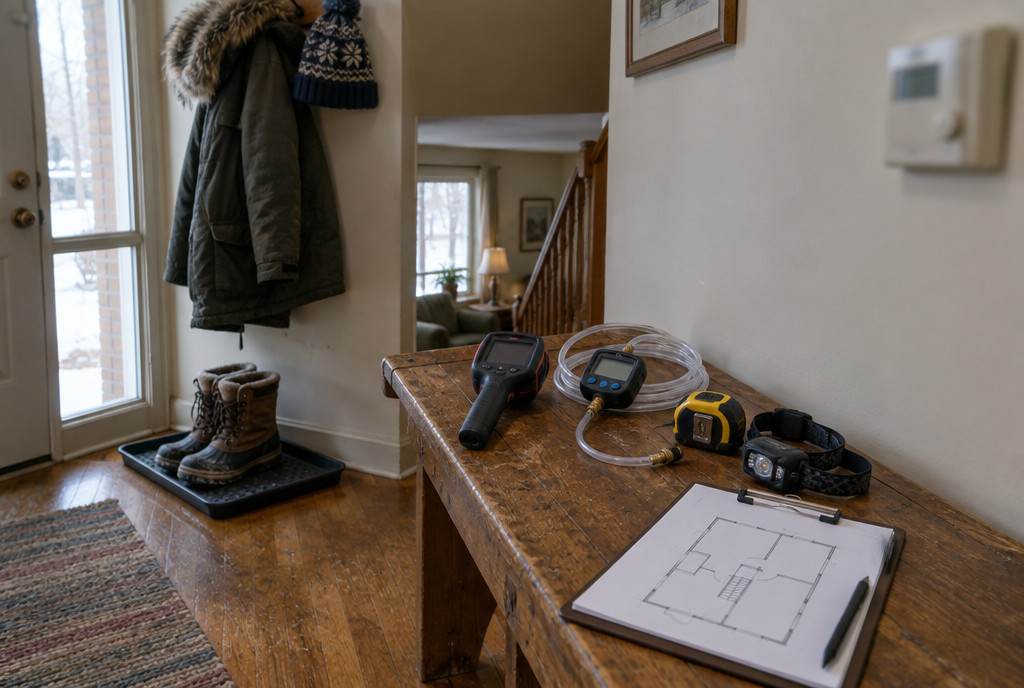
Home energy audit
Via Efficiency Nova Scotia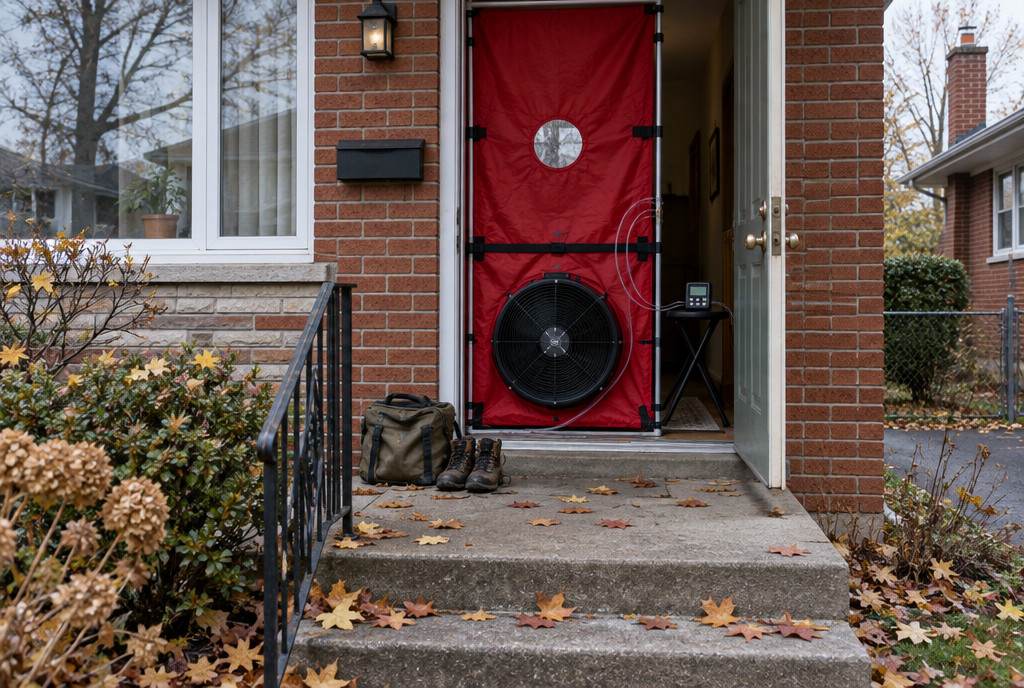
Blower door test
3,870 degree-days A moderate heating season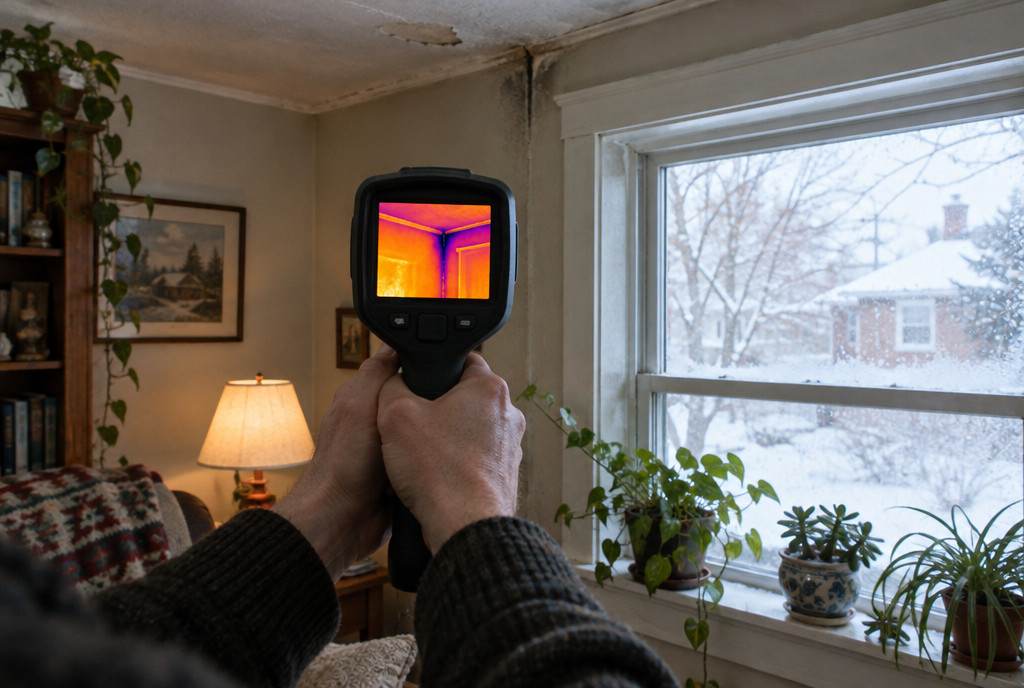
Thermal imaging inspection
3,870 degree-days A moderate heating season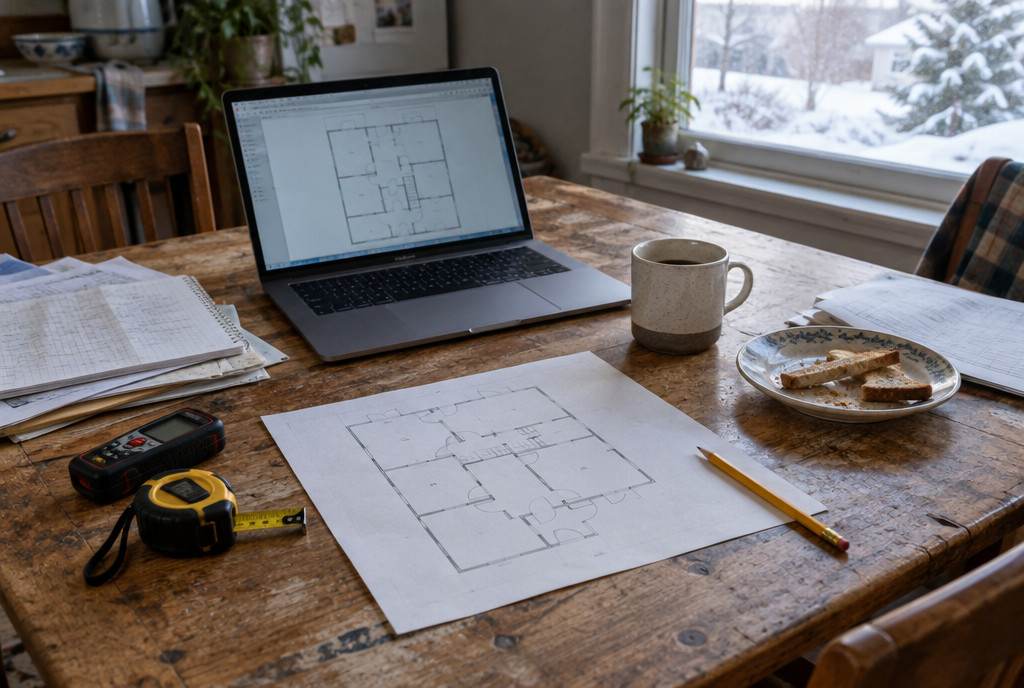
Heat loss calculation
Design temp −15.9°C The cold day heating is sized for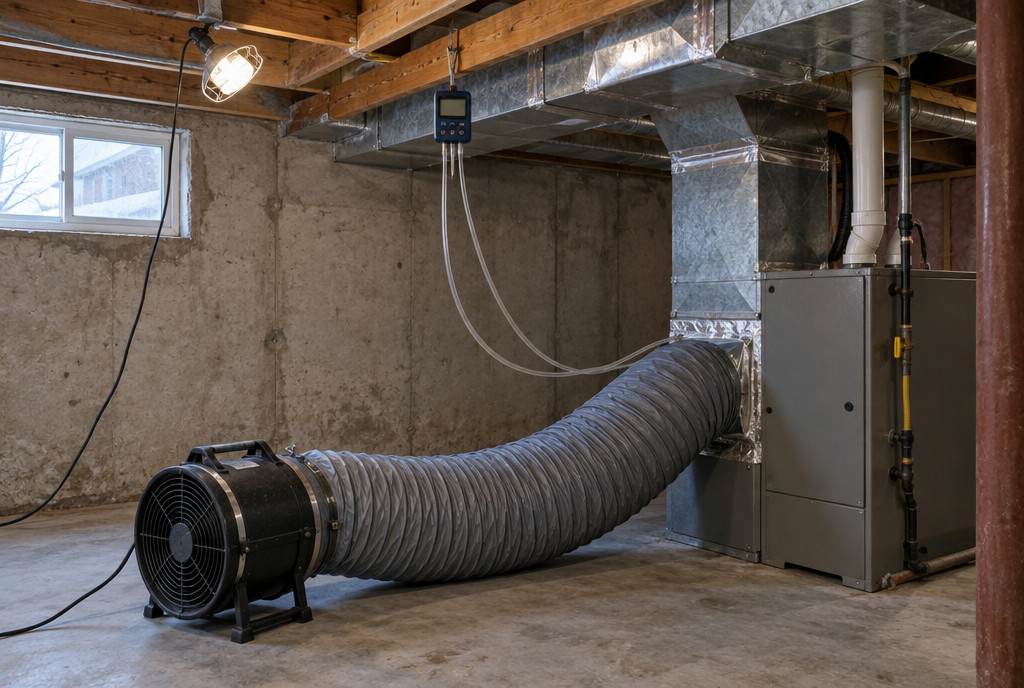
Duct leakage testing
12% forced-air Share of homes with ducts that can leak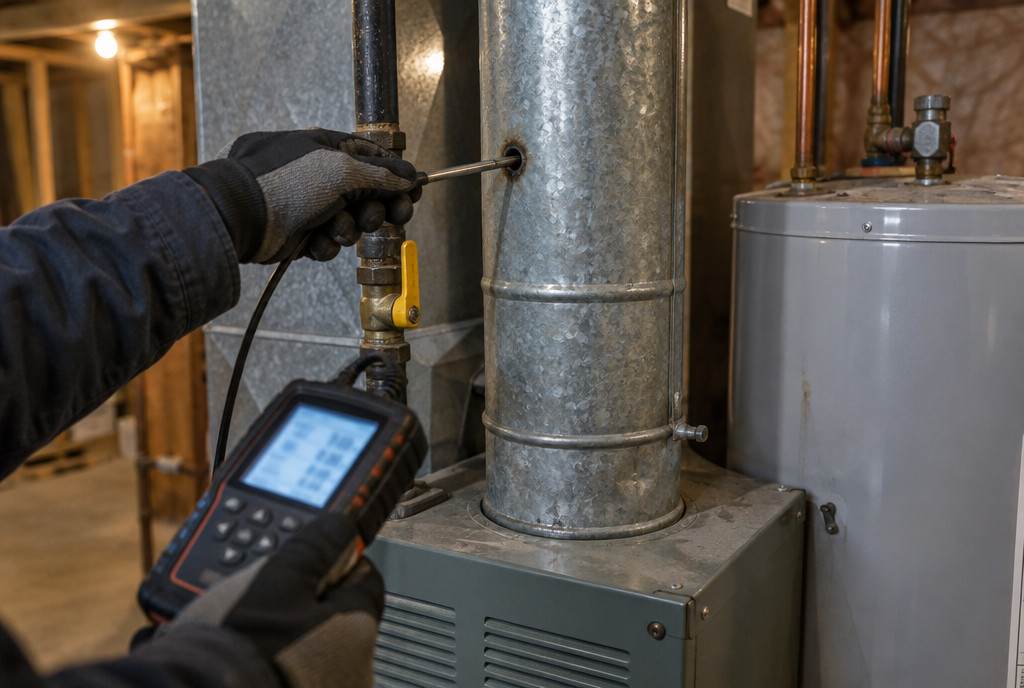
Combustion safety test
3,870 degree-days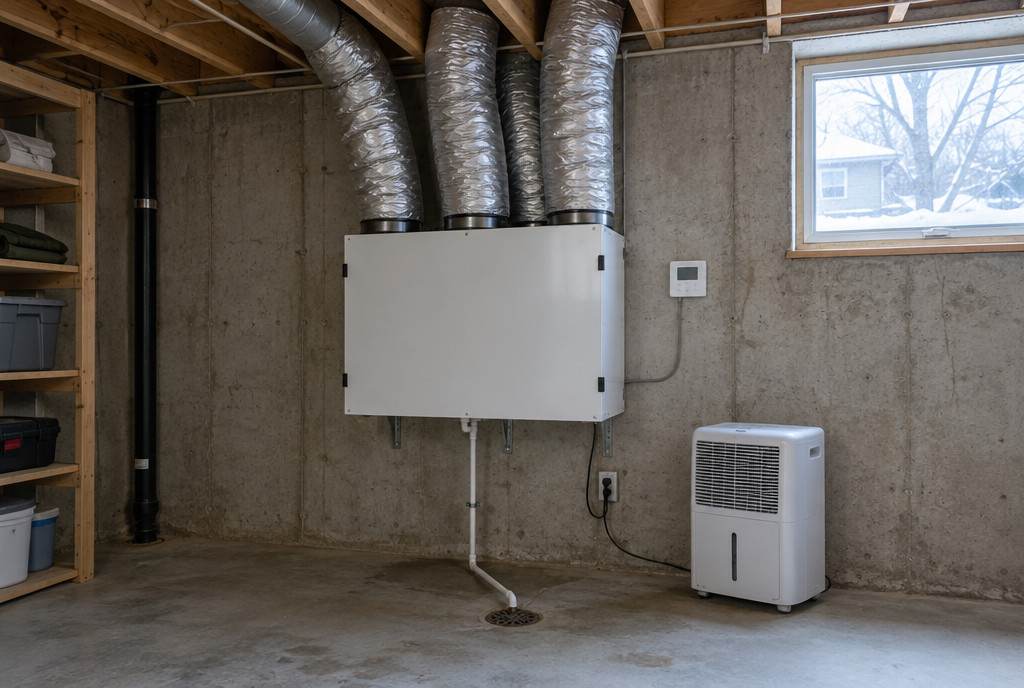
Ventilation and humidity assessment
22% built since 2001 Newer, tighter homes rely on fans or an HRV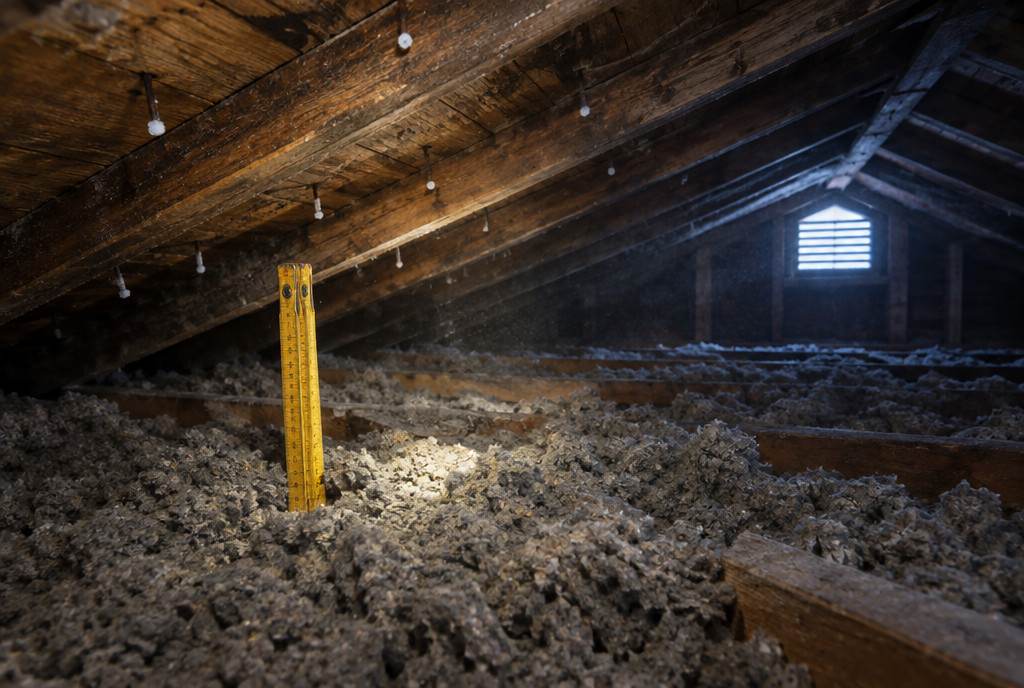
Attic insulation inspection
63% built before 1991 Older attics usually need more insulation
Energy bill analysis
Nova Scotia Power Download 12 months of usage from your accountHome health tests
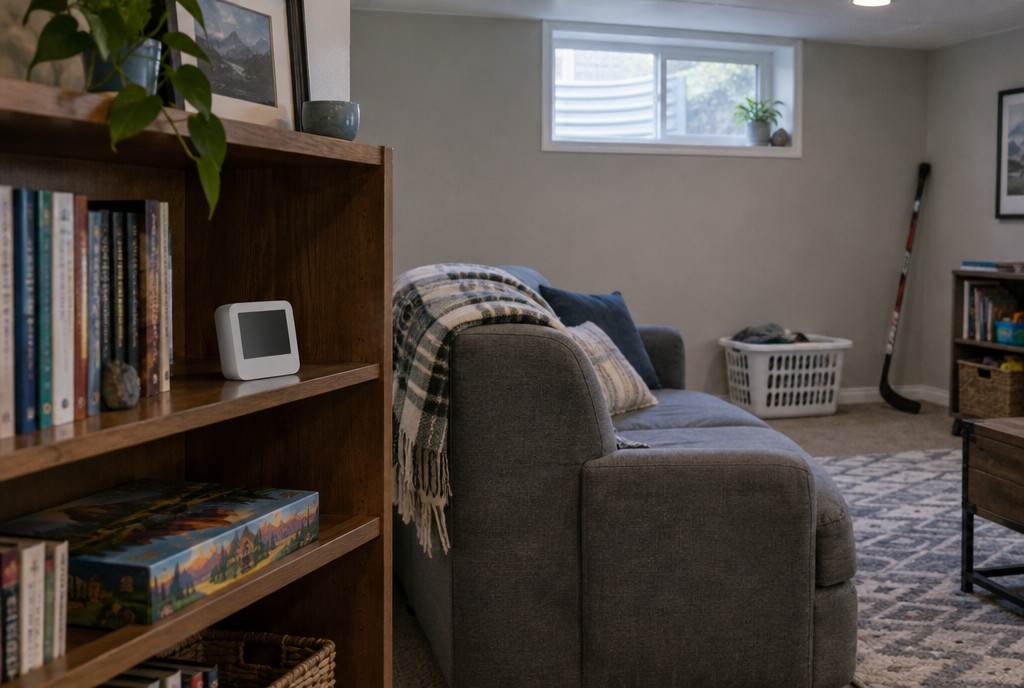
Radon testing
38.7% at or above guideline (2024) Neighbours' results don't predict yours: test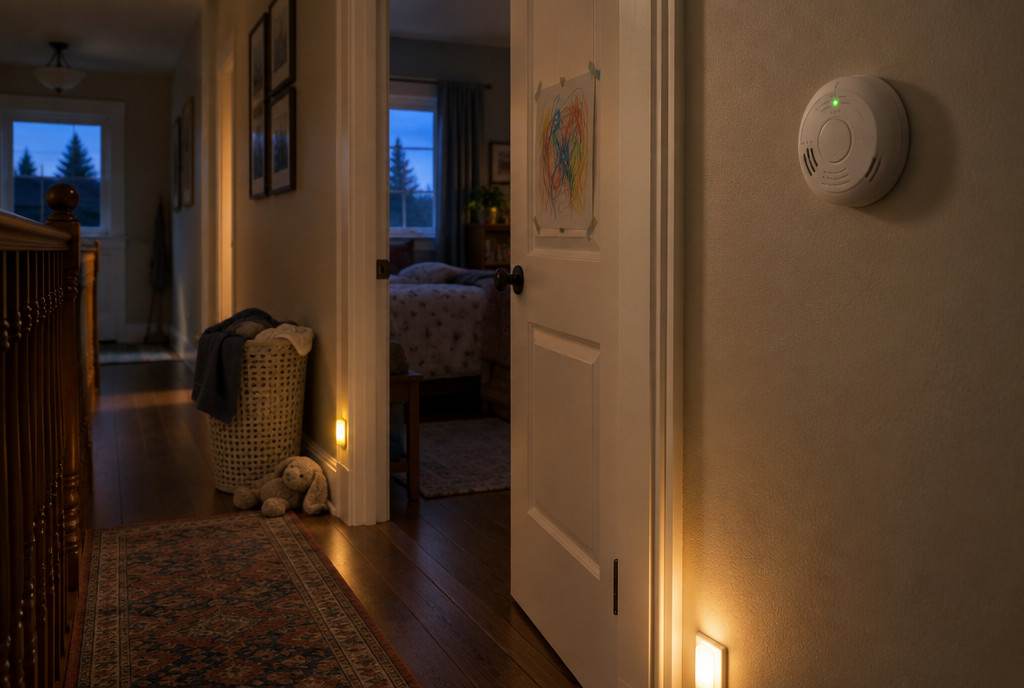
Carbon monoxide testing
Not required (recommended) Install alarms anyway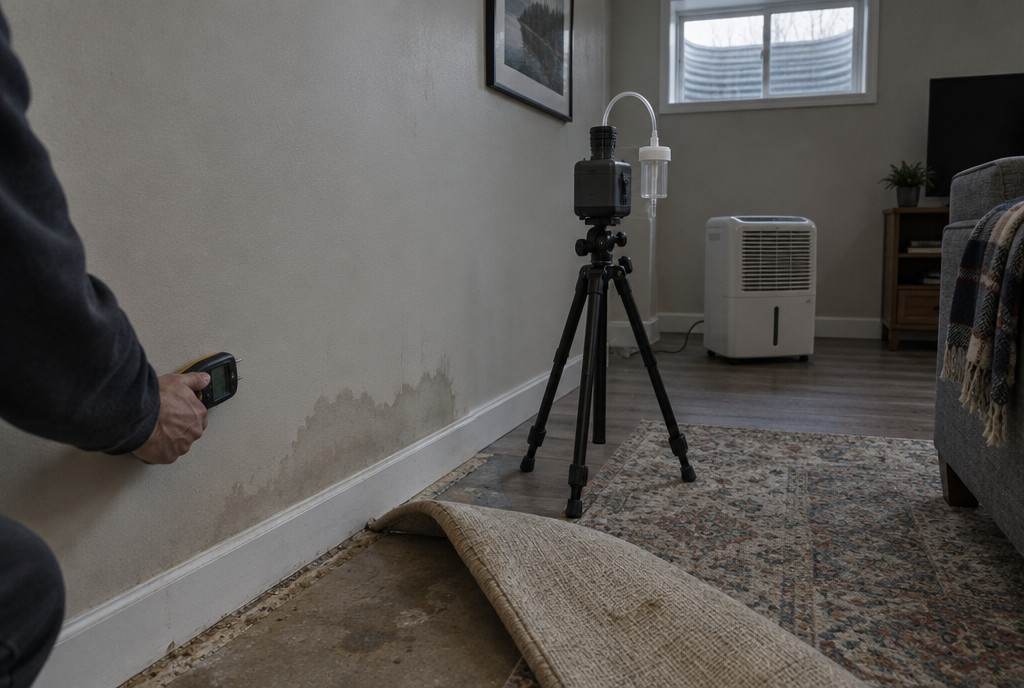
Mould and indoor air quality testing
63% built before 1991 Older homes have more damp spots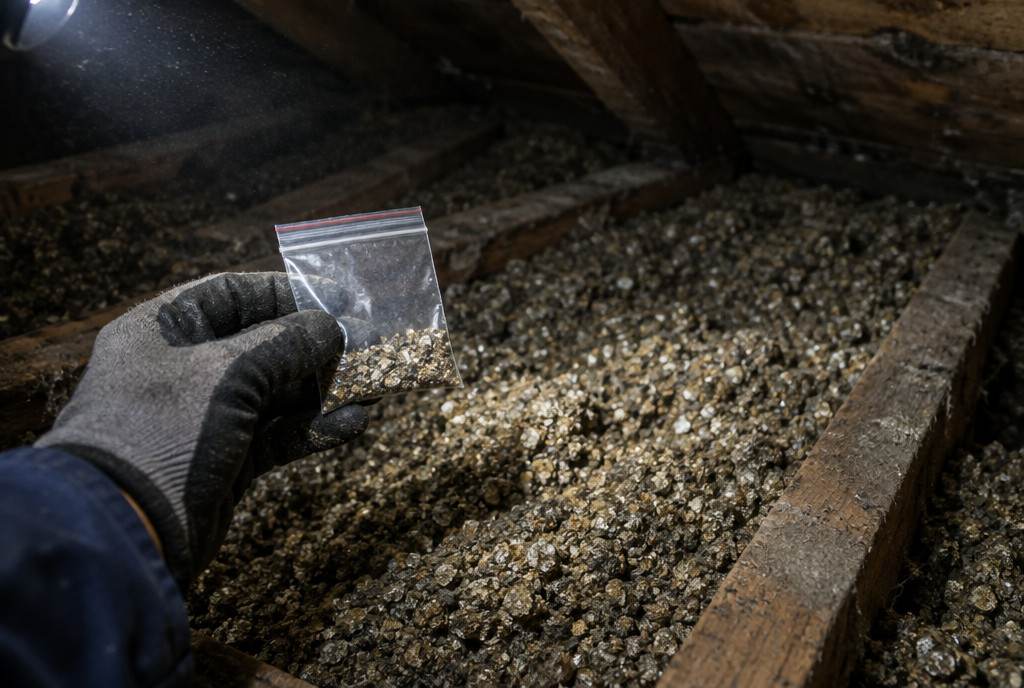
Asbestos and vermiculite testing
63% built before 1991 Common in materials until about 1990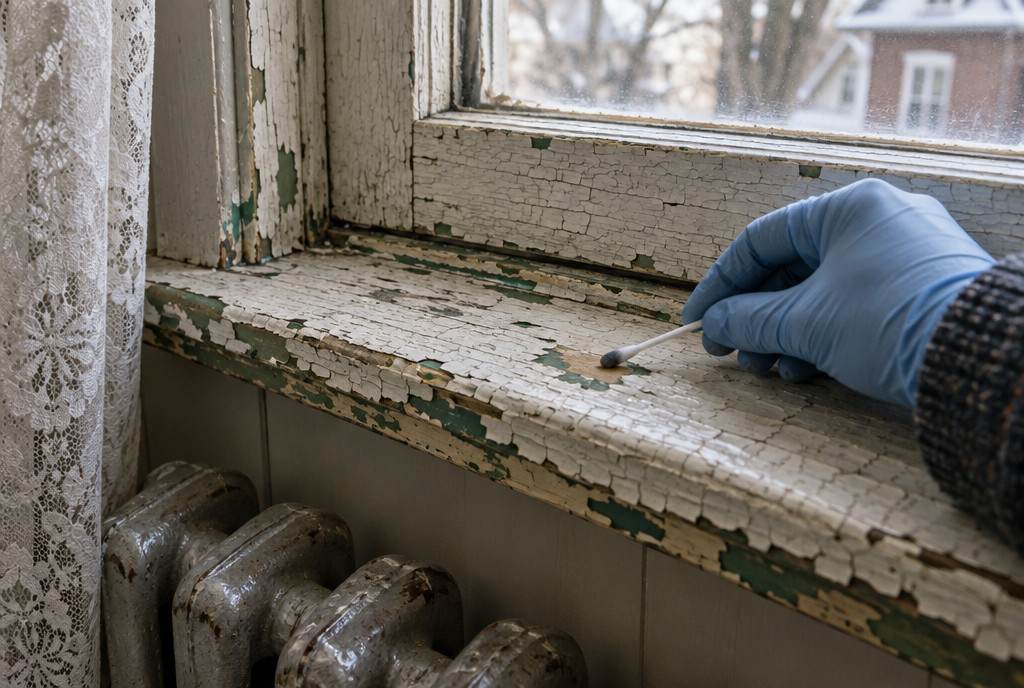
Lead paint testing
22% built before 1961 Pre-1960 paint probably contains lead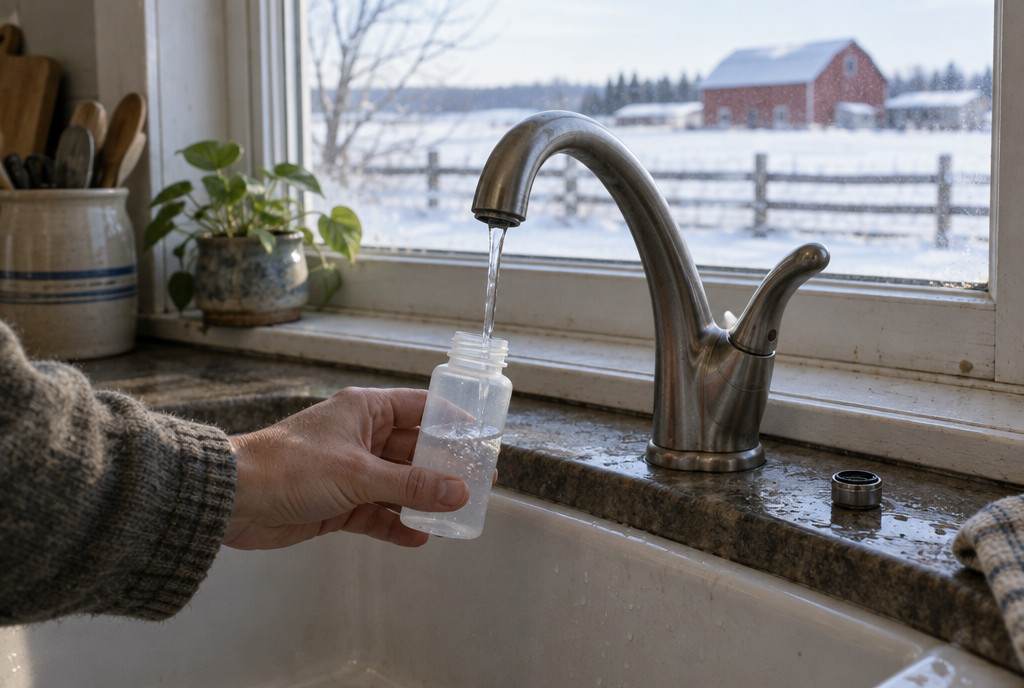
Well water testing
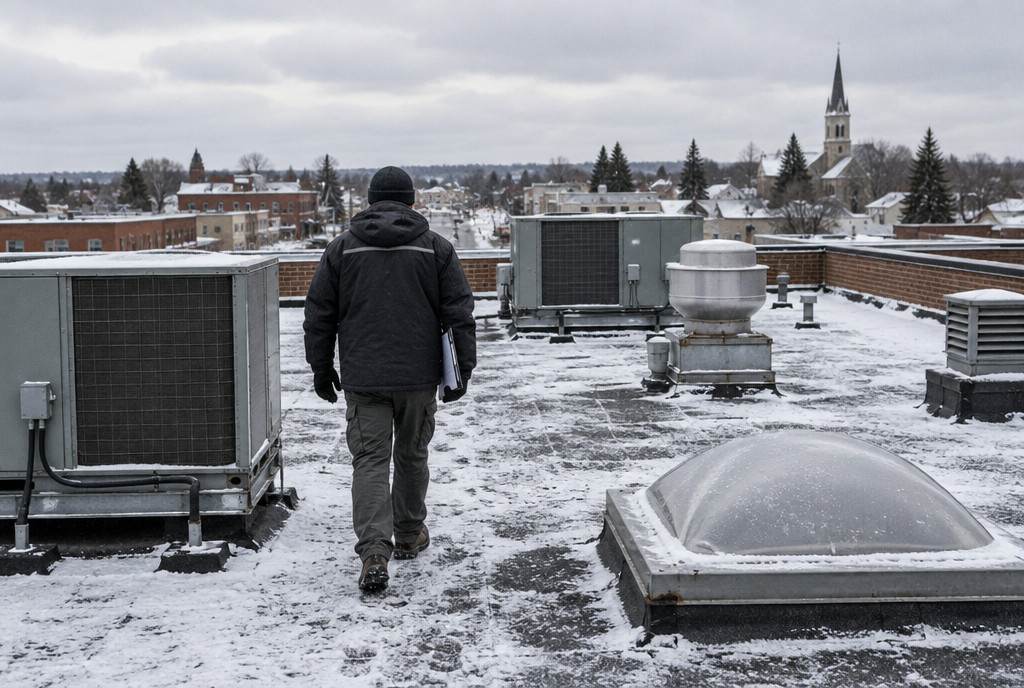
Wells common Only homes on private wells need itFor businesses and buildings
Who does energy evaluations in Halifax
In Nova Scotia, EnerGuide home energy assessments are booked through Efficiency Nova Scotia's Home Energy Assessment program, which assigns one of its Delivery Agent Partners; NRCan's list shows no separate service organizations for Nova Scotia postal codes.
City programs in Halifax
Solar City (municipal solar financing)
Halifax Regional Municipality financing for solar photovoltaic, solar hot air and solar hot water systems. It is repaid as a voluntary Local Improvement Charge billed separately from property tax, over 10 years at a 4.75% fixed rate, and can be repaid early without penalty. Residential owners and non-profits in good standing can register; any qualified contractor can be used (contractor and design reviewed by HRM). No municipal financing for other energy-efficiency upgrades was found.
Rebates and financing for Halifax homes
Cities near Halifax
Sources
- Health Canada — Cross-Canada Survey of Radon Concentrations in Homes, final report (2012), Table 5
- Evict Radon National Study with Health Canada — 2024 Cross-Canada Survey of Radon Exposure (report v1.1)
- NRCan — HOT2000 Climate Map: heating degree-days and design temperatures for 403 locations
- Statistics Canada — 2021 Census, households by period of construction and dwelling type (table 98-10-0233-01)
- Statistics Canada — Households and the Environment Survey 2023, primary heating systems (table 38-10-0286-01)
- NRCan — Service organizations for existing homes (list checked September 25, 2026)
Planning upgrades in Halifax?
Tell us where you are and what you’re planning. We’ll connect you with a registered service organization for your area — no spam, no shared lead lists.