British Columbia · 16 local services · checked September 28, 2026
Home energy audits and home testing in Kamloops
Kamloops gets about 3,365 heating degree-days a year (a moderate heating season), 11% of its houses were built before 1961, and 20 NRCan-licensed service organizations list its postal codes. Pick a service for the local details.
Not sure what your house needs? Get your free plan → (six short steps, no email)
How Kamloops is built
- Before 1961 11%
- 1961–1990 51%
- 1991–2000 15%
- 2001 or later 24%
Kamloops at a glance
Climate
Kamloops gets about 3,365 heating degree-days a year, a measure of how much heating its climate needs, and its winter design temperature, the cold day heating systems are sized for, is −17.8°C. Those figures come from the climate data for Kamloops in HOT2000, the home-energy software Natural Resources Canada (NRCan) gives energy advisors. A moderate heating season with warm summers: fixes should cut heating bills and keep the house cool.
Housing
Of Kamloops's 32,450 houses (single-detached, semi-detached, row houses and duplexes), 11% were built before 1961 and 62% before 1991, according to the 2021 Census. The typical house dates from 1971–1980.
Heating
In the Kamloops area, 83% of households heat mainly with a forced-air furnace; natural gas is the main heating energy for 90% of households (Statistics Canada, 2023).
Radon
Health Canada's 2012 survey found 6.4% of 109 homes tested in the Thompson/Cariboo Health Service Delivery Area health region above the guideline. The larger 2024 Cross-Canada survey reports 9.5% (1 in 11) of houses at or above the guideline for the Kamloops, BC (Kamloops CMA) metro area.
BC Southern Interior Okanagan and Thompson valleys
What homes in Kamloops need
Hot, smoky summers and cold winters: plan cooling, filtration and heating together.
The Okanagan and Thompson valleys have cold winters and the hottest summer afternoons and driest air of any region we cover. Wildfire smoke often keeps windows shut in summer, and radon levels are among the highest in Canada. An EnerGuide evaluation here should cover heating, cooling, smoke filtration and a radon test together.
In Kamloops: Kamloops gets more days above 30°C than any city we cover, about 36 a year, and winters that reach −23°C. About 9 in 10 local homes heat with gas, so a cold-climate heat pump paired with the furnace is a natural fit.
What drives bills and comfort here
- Two real seasons: winter cold snaps reach about −17°C to −23°C, and July afternoons average about 29°C.
- Heat can be extreme: Kamloops had 62 days above 30°C in 2023, against a historical average of 33.
- Wildfire smoke keeps windows closed for long stretches, so cooling and filtration run more; Kamloops logged a record 478 smoky hours in 2021.
- Natural gas heats about 9 in 10 homes in the Kamloops area and 6 in 10 around Kelowna (2023).
Local risks to plan for
- Record 478 hours of wildfire smoke and haze in 2021.
- Wildfires burned west of the city in 2017, when about 50,000 British Columbians were displaced.
- Radon: about 1 in 3 BC Interior homes were at or above the guideline in 2024.
What to check first, and why
-
Keep smoke out: seal leaks, filter well
When smoke rolls in, windows stay shut. A tighter house with a good filter keeps indoor air cleaner; Health Canada advises the highest-rated filter your system can handle.
Ask your energy advisor: Ask the advisor where outside air leaks in, and whether your furnace or air handler can take a MERV 13 filter.
-
Size cooling and heating together
Long hot spells mean a heat pump has to handle summer cooling as well as winter heat. Equipment sized for only one season can leave you uncomfortable in the other.
Ask your energy advisor: Ask for a room-by-room heat-loss calculation that also covers cooling, before you collect heat pump quotes.
-
Test for radon
About 1 in 3 homes across the BC Interior tested at or above Health Canada's 200 Bq/m³ guideline in the 2024 national survey, and Kelowna was among the highest municipalities.
Ask your energy advisor: Start a 3-month radon test in the heating season, and retest after air sealing or basement work.
-
Seal and insulate the attic
Attic air sealing and insulation cut winter heat loss and summer heat gain. Today's new-home minimum here is about R-49, a useful target for older attics.
Ask your energy advisor: Ask for an attic inspection that checks insulation depth and air leaks around light fixtures, the hatch and plumbing stacks.
-
Check your home's wildfire exposure
In August 2023, nearly 200 structures were destroyed or damaged in West Kelowna, Westbank First Nation and Kelowna. An energy audit doesn't cover wildfire risk, so ask separately.
Ask your energy advisor: Ask your local fire department or FireSmart program about a home wildfire assessment.
Tests that matter most here
- Blower door test Measures leakage (ACH50), the paths that let smoke and hot air in. Best timing: Any season, on a calm day.
- Infrared (thermal) scan Finds missing insulation and air leaks. Best timing: December to February, on cold mornings with little sun and wind; summer scans with air conditioning running are less reliable.
- Duct leakage test Many comfort complaints are duct or airflow problems rather than undersized equipment, and the filter slot limits how well you can filter smoke. Best timing: Before choosing a heat pump.
- Radon test Regional radon is high, and air sealing can change indoor levels. Best timing: At least 91 days, mostly in the heating season; retest the next heating season after upgrades.
- Combustion safety test Most homes here burn natural gas, and tightening the house can cause backdrafting of furnaces and water heaters. Best timing: With the blower door test, and again after air sealing.
Upgrades that usually pay off here
- Cold-climate heat pump paired with the furnace. It gives efficient cooling and handles most winter heating, while the gas furnace covers the coldest nights. Hybrid controls switch fuels by outdoor temperature and energy price. Ask how the switchover is set; factory settings may not suit your rates.
- Air sealing plus attic insulation. Cuts heating, cooling and smoke infiltration in one job. Aim for at least today's new-home attic level here, about R-49. Seal first, then insulate.
- MERV 13 filtration and a portable air cleaner. Long fire seasons make good filtration important. A MERV 13 filter in the air handler plus a certified portable air cleaner helps you keep one room's air cleaner. Your system may need a fan check or wider filter slot first.
- Radon mitigation if your test is high. If a long-term test is above 200 Bq/m³, Health Canada advises reducing it. A C-NRPP certified professional can install a sub-slab system. Retest after mitigation and after major air sealing.
- ERV for balanced ventilation. Once the house is tighter, an ERV brings in fresh air while recovering heat, and it helps keep dry winter air from getting drier.
Heating and cooling equipment
- Choose a cold-climate heat pump with published capacity at your local design temperature (−17°C to −23°C), and keep backup heat. Many newer units stop running between −15°C and −25°C.
- Keeping the gas furnace for the coldest weather (a hybrid system) is practical here, since most homes already have gas.
- Cooling is a real load here: ask for sizing that covers both seasons, and avoid oversized equipment that short-cycles.
- Summer air here is dry, so dehumidification is rarely the concern; an ERV is a sensible ventilation choice.
Health and comfort
- Smoky days: keep windows and doors closed, limit exhaust fans and run filtration. If it's too hot indoors with the windows shut, go to a cooler, cleaner-air space.
- Radon: about 1 in 3 homes across the BC Interior and Yukon tested at or above 200 Bq/m³ in the 2024 survey, one of Canada's two highest regions.
- Dry winter air: humidify modestly. Too much moisture causes window condensation and can dampen the attic.
- Heat safety: summers bring long hot spells, so make sure at least one room can be kept cool.
Common mistakes in this climate
- Relying on open windows to cool the house. In smoke season, open windows let smoke in. Plan for mechanical cooling instead.
- A standard heat pump with no backup heat. Cold snaps of −20°C and below can exceed what standard units deliver. Keep the furnace or another backup.
- Skipping the radon retest after air sealing. Tightening a house can change radon levels. Retest in the next heating season.
- Oversizing cooling equipment. Oversized units short-cycle, waste energy and leave rooms less comfortable.
When to book: Book the evaluation in winter (December to February suits thermal scans), and start a 3-month radon test in fall. Get cooling and filtration in place before summer smoke season.
Sources for this climate guide · checked October 26, 2026
- National Building Code of Canada 2020, climate data (NRC)
- Canadian Climate Normals 1991–2020 (ECCC)
- Keeping the Heat In (NRCan)
- Air-Source Heat Pump Sizing and Selection Guide (NRCan)
- Heating and Cooling With a Heat Pump (NRCan)
- Gas and heat pump hybrid systems (NRCan)
- Primary heating systems by household, Table 38-10-0286-01 (Statistics Canada)
- Wildfire smoke: protecting your health (Government of Canada)
- Wildfire smoke, filtration and cooling (Island Health)
- Canada's top weather stories of 2021 (ECCC)
- Canada's top weather stories of 2023 (ECCC)
- 2024 Cross-Canada Survey of Radon Exposure
- Guide for Radon Measurements in Homes (Health Canada)
- Conditions for thermal scans, ASTM C1060 summary (Cx Associates)
- Canada's top weather stories of 2017 (ECCC)
Communities around Kamloops
Area guide for the surrounding region, with every town and hamlet listed: Okanagan area guide (West Kelowna, Vernon, Penticton, Summerland and more).
Local service guides for Kamloops
Energy audits and tests
Home energy audit
20 licensed organizations Companies NRCan licenses to do EnerGuide evaluations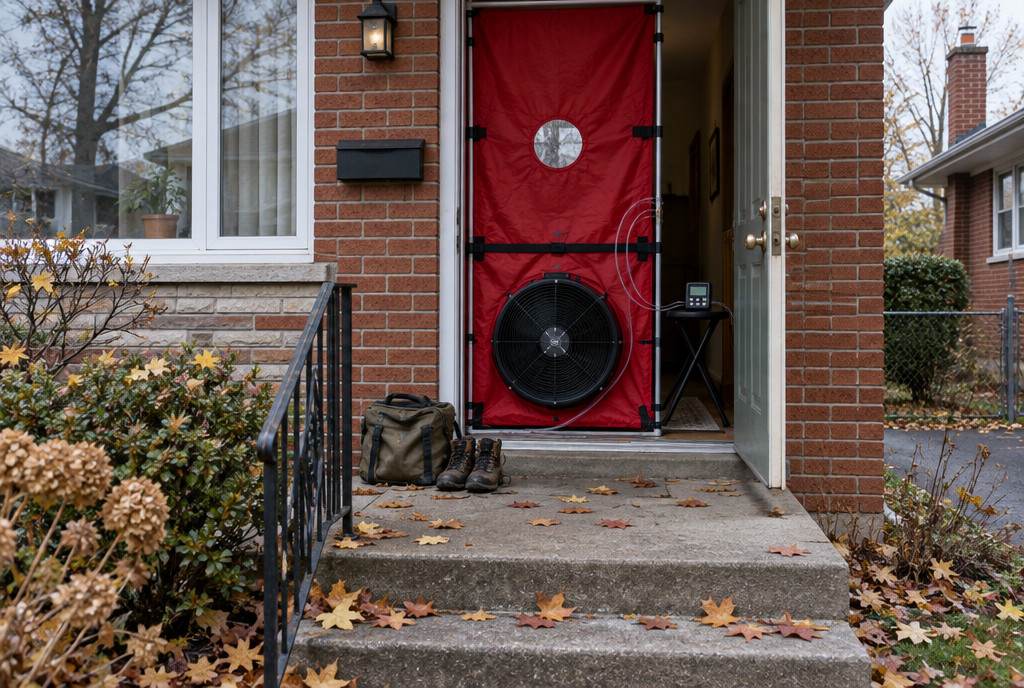
Blower door test
3,365 degree-days A moderate heating season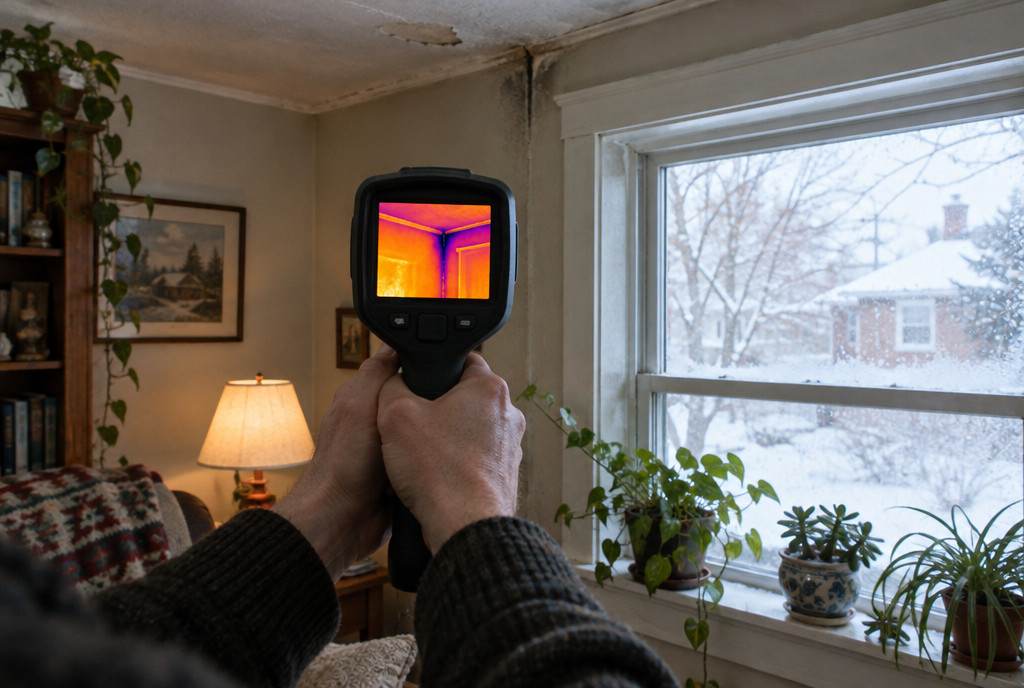
Thermal imaging inspection
3,365 degree-days A moderate heating season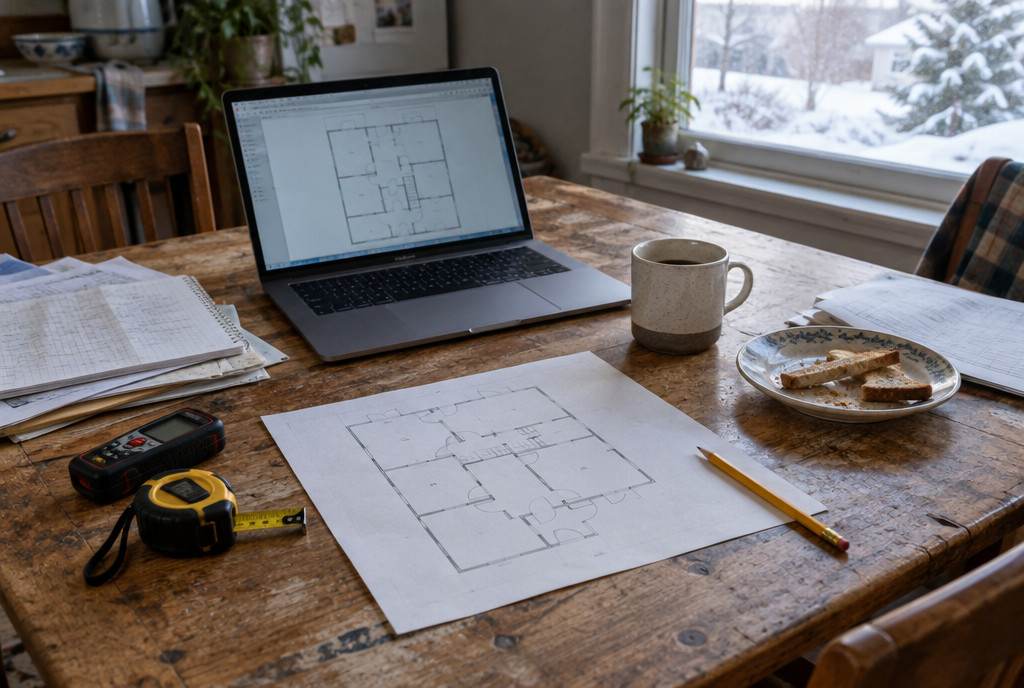
Heat loss calculation
Design temp −17.8°C The cold day heating is sized for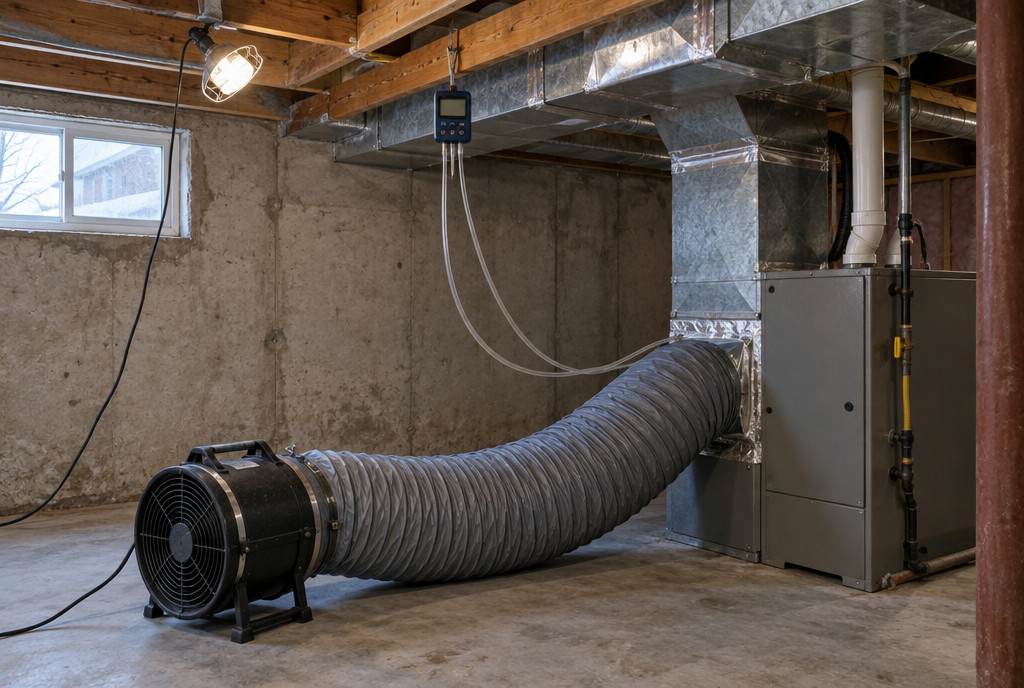
Duct leakage testing
83% forced-air Share of homes with ducts that can leak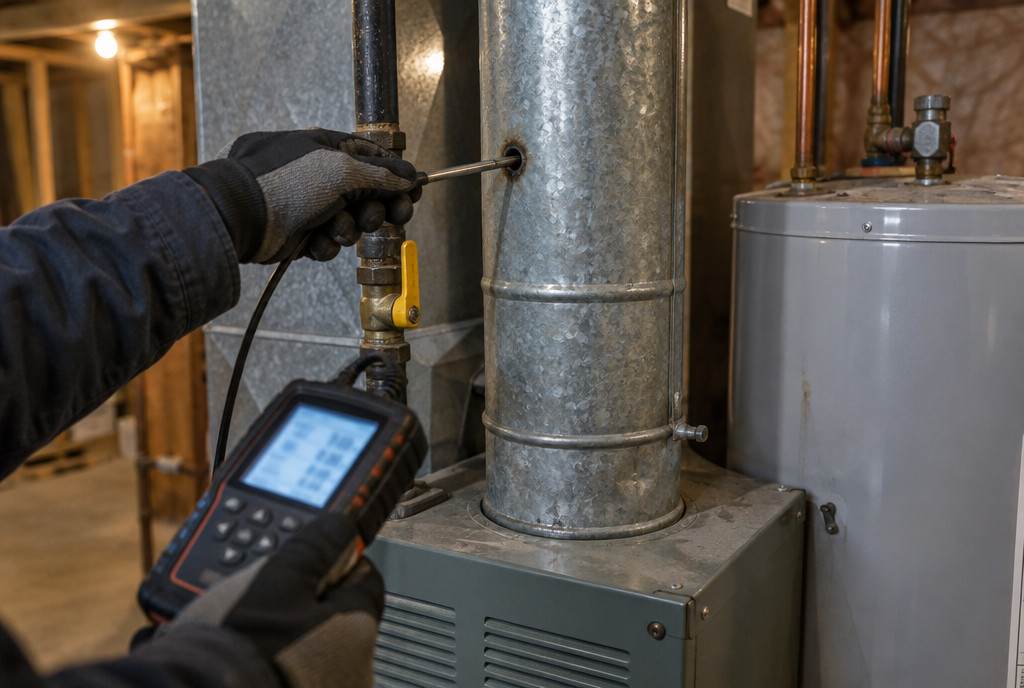
Combustion safety test
90% heat with gas Gas appliances need a venting check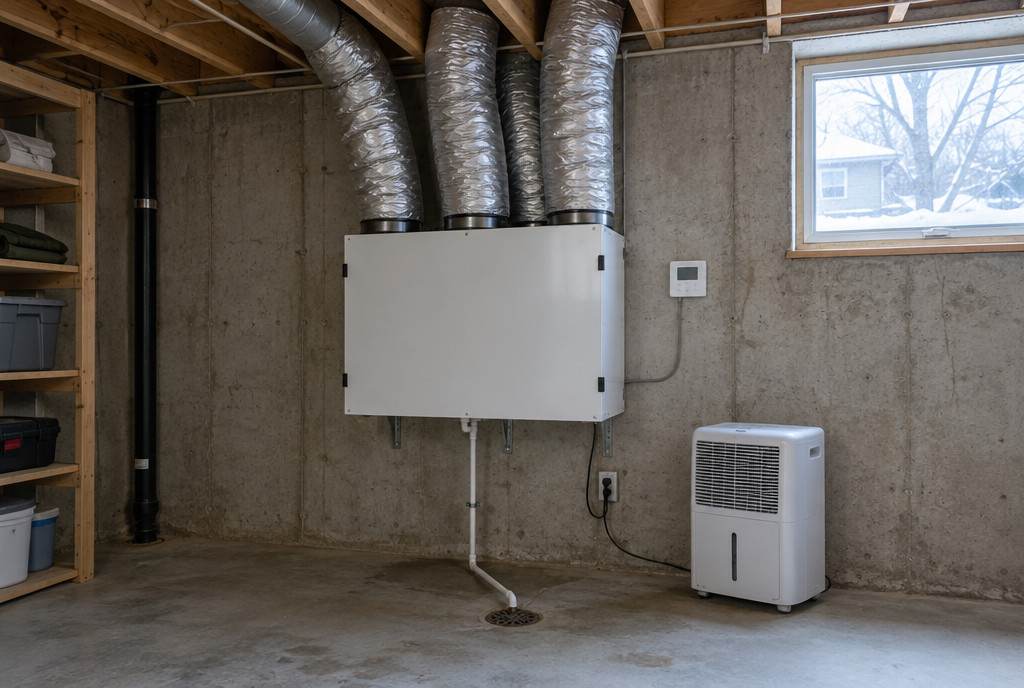
Ventilation and humidity assessment
24% built since 2001 Newer, tighter homes rely on fans or an HRV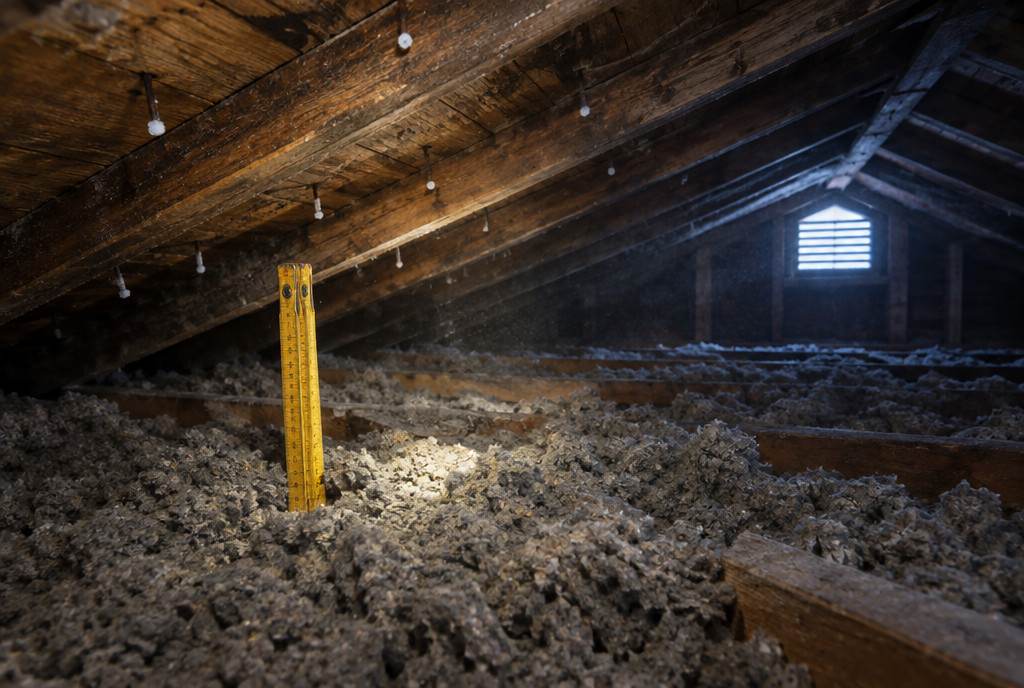
Attic insulation inspection
62% built before 1991 Older attics usually need more insulation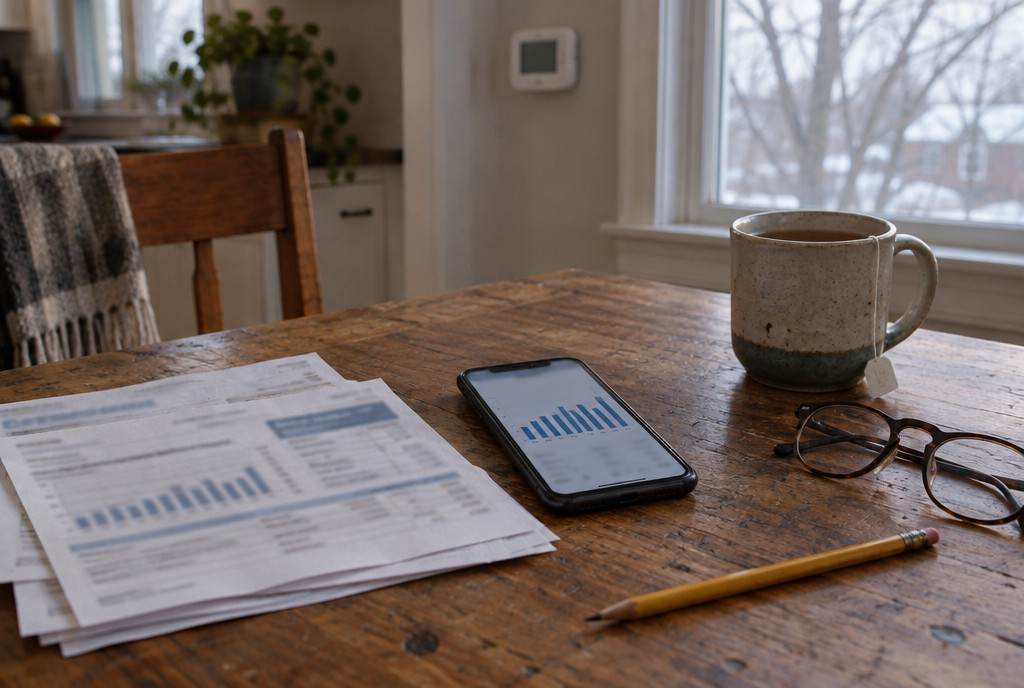
Energy bill analysis
BC Hydro Download 12 months of usage from your accountHome health tests
Radon testing
9.5% at or above guideline (2024) Neighbours' results don't predict yours: test
Carbon monoxide testing
Not required (recommended) Install alarms anyway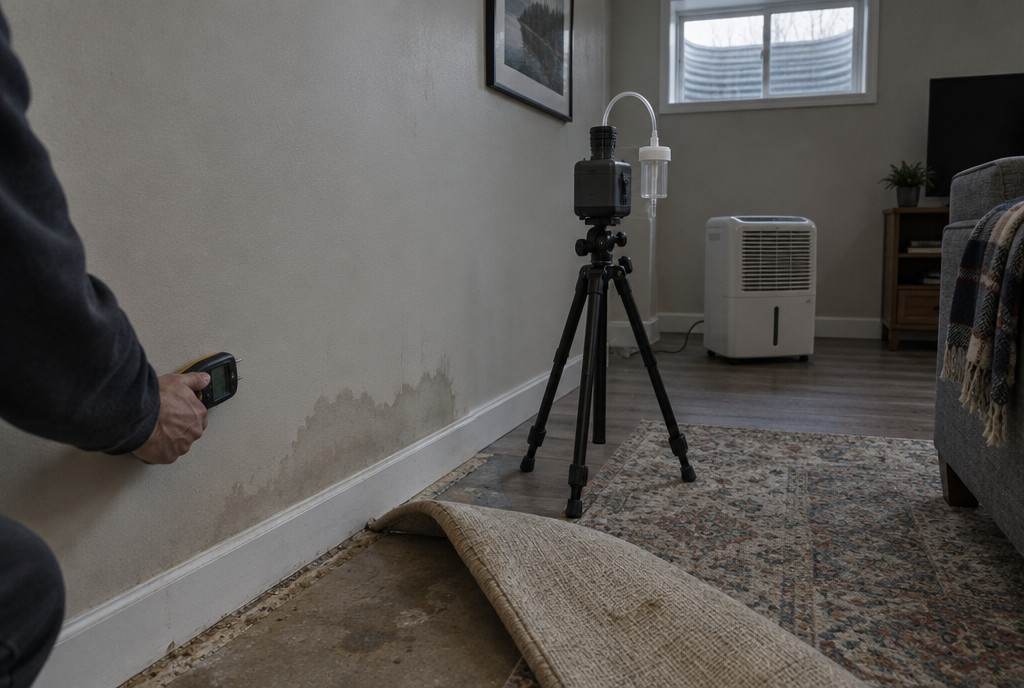
Mould and indoor air quality testing
62% built before 1991 Older homes have more damp spots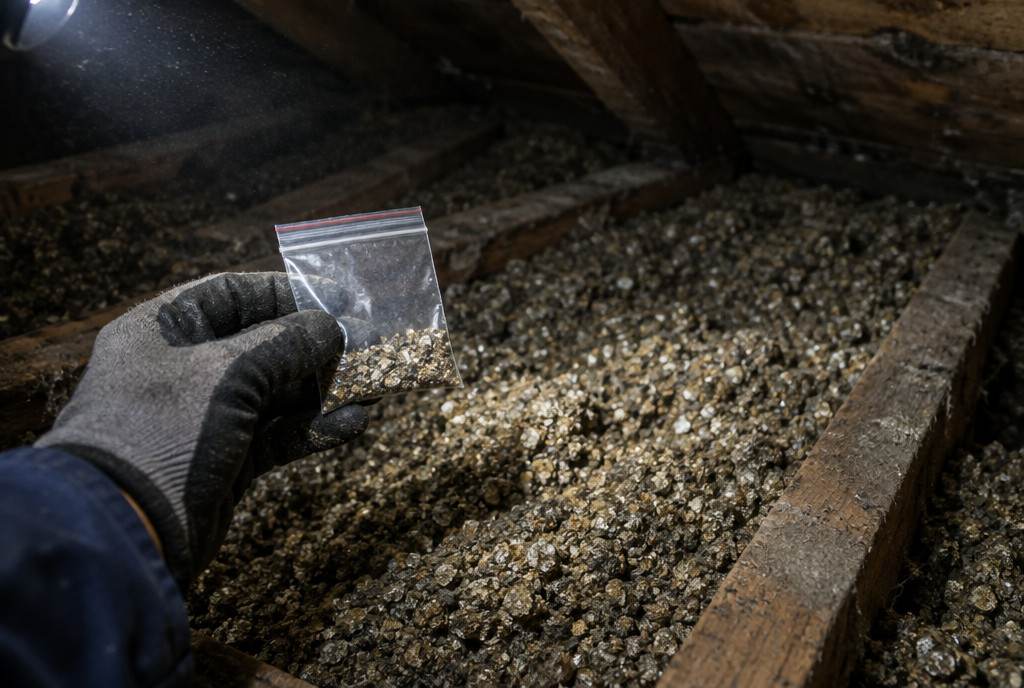
Asbestos and vermiculite testing
62% built before 1991 Common in materials until about 1990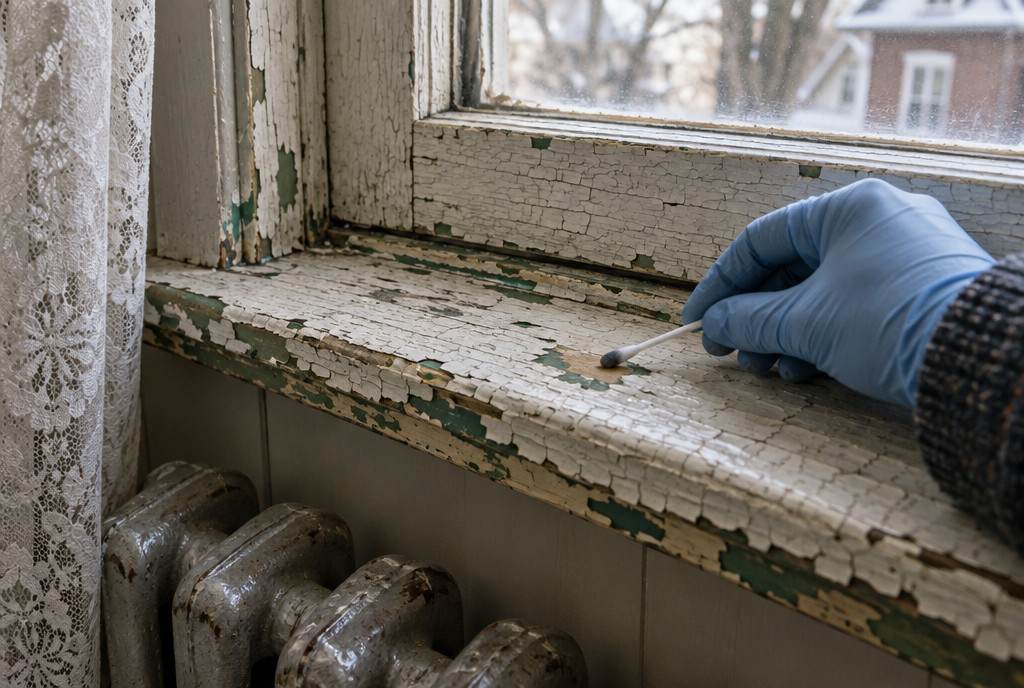
Lead paint testing
11% built before 1961 Pre-1960 paint probably contains lead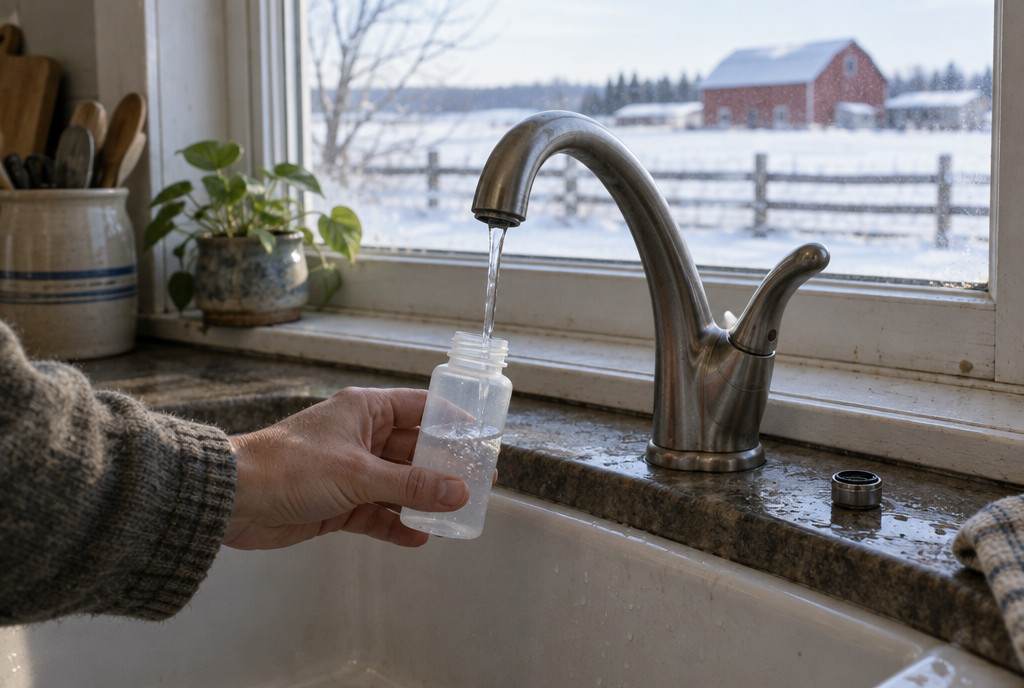
Well water testing
Wells in some areas Only homes on private wells need itFor businesses and buildings
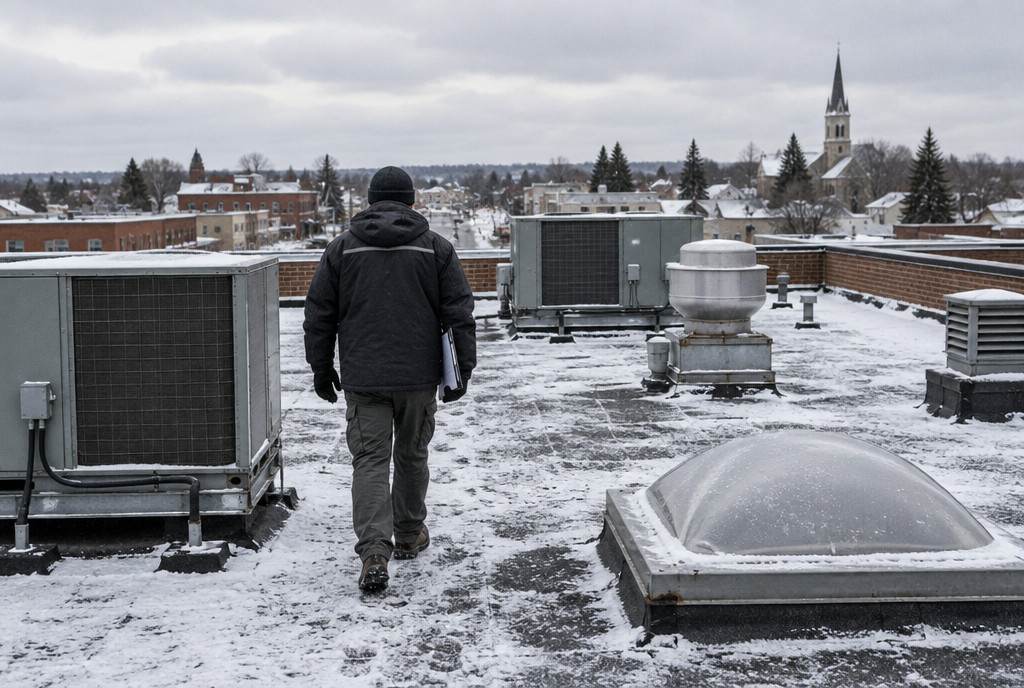
Who does energy evaluations in Kamloops
20 NRCan-licensed service organizations list Kamloops postal codes. See the list with phone numbers and coverage →
City programs in Kamloops
Retrofit Assist (City of Kamloops with Community Energy Association)
Free City-sponsored retrofit concierge: personalized guidance, help maximizing rebates, connections to energy advisors and trained contractors, and financing options.
Retrofit Assist discounted EnerGuide evaluation
For a limited time, Retrofit Assist participants in Kamloops can book an EnerGuide evaluation for $99 + tax ('a savings of $500 or more'), while subsidies last. Kamloops page updated Jan 2026.
City of Kamloops heat pump rebate top-up
The Retrofit Assist Kamloops page says the City 'presently offers rebate top-ups for Kamloops households that install a heat pump' (also EV chargers and fireplace upgrades). The City's own Rebates & Incentives page lists no top-up amount or terms, so the amount and current availability are unconfirmed.
Rebates and financing for Kamloops homes
Cities near Kamloops
Sources
- Health Canada — Cross-Canada Survey of Radon Concentrations in Homes, final report (2012), Table 5
- Evict Radon National Study with Health Canada — 2024 Cross-Canada Survey of Radon Exposure (report v1.1)
- NRCan — Canadian Geographical Names Database (official place names)
- NRCan — HOT2000 Climate Map: heating degree-days and design temperatures for 403 locations
- Statistics Canada — 2021 Census, households by period of construction and dwelling type (table 98-10-0233-01)
- Statistics Canada — Households and the Environment Survey 2023, primary heating systems (table 38-10-0286-01)
- NRCan — Service organizations for existing homes (list checked September 25, 2026)
Planning upgrades in Kamloops?
Tell us where you are and what you’re planning. We’ll connect you with a registered service organization for your area — no spam, no shared lead lists.