British Columbia · 16 local services · checked September 28, 2026
Home energy audits and home testing in Victoria
Victoria gets about 2,763 heating degree-days a year (mild winters by Canadian standards), 59% of its houses were built before 1961, and 22 NRCan-licensed service organizations list its postal codes. Pick a service for the local details.
Not sure what your house needs? Get your free plan → (six short steps, no email)
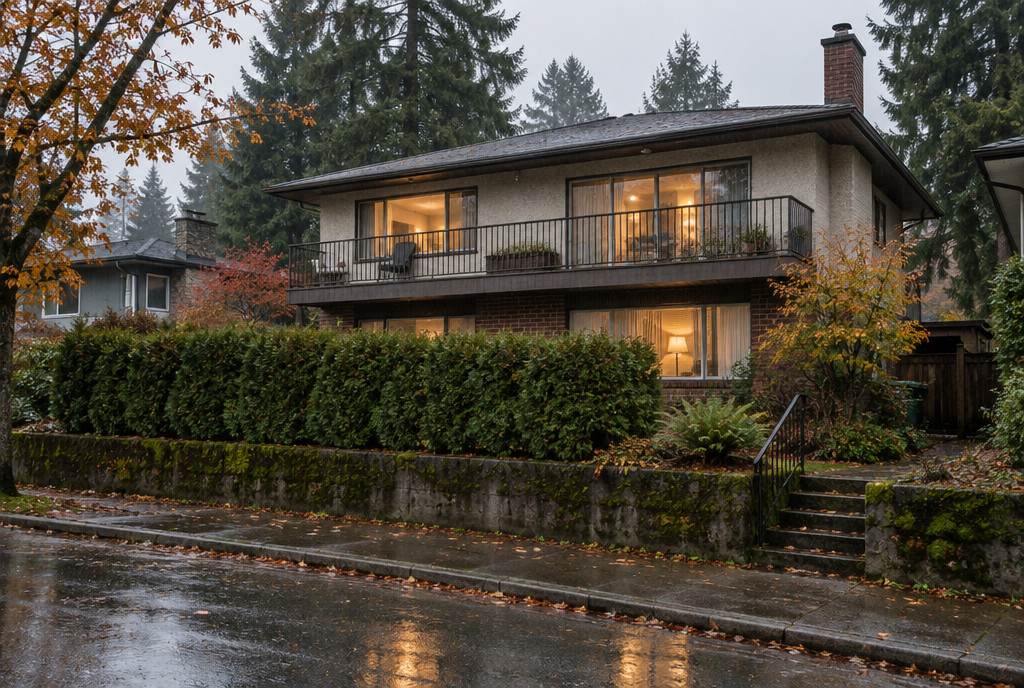
How Victoria is built
- Before 1961 59%
- 1961–1990 25%
- 1991–2000 6%
- 2001 or later 11%
Victoria at a glance
Climate
Victoria gets about 2,763 heating degree-days a year, a measure of how much heating its climate needs, and its winter design temperature, the cold day heating systems are sized for, is −1.3°C. Those figures come from the climate data for Victoria Gonzales in HOT2000, the home-energy software Natural Resources Canada (NRCan) gives energy advisors. Mild, wet winters: heating bills are modest, so moisture control and comfort matter as much as cutting heat loss.
Housing
Of Victoria's 14,695 houses (single-detached, semi-detached, row houses and duplexes), 59% were built before 1961 and 84% before 1991, according to the 2021 Census. The typical house dates from 1946–1960.
Heating
In the Victoria area, 37% of households heat mainly with electric baseboards, 23% with a heat pump and about 16% with a forced-air furnace; electricity is the main heating energy for 46% of households and natural gas for 23% (Statistics Canada, 2023).
Radon
Health Canada's 2012 survey found 1.8% of 55 homes tested in the South Vancouver Island Health Service Delivery Area health region above the guideline. The larger 2024 Cross-Canada survey reports 0.5% (1 in 200) of houses at or above the guideline for the Victoria, BC (Victoria CMA) metro area.
Coastal BC Lower Mainland and Vancouver Island
What homes in Victoria need
Mild, wet winters and summer heat waves: fix moisture first, then cooling and heat pumps.
Coastal BC has Canada's mildest winters, but heavy rain from fall to spring soaks walls and roofs, and summer heat waves are now a health risk. Heating needs are the lowest of any region we cover, so damp, drafts and overheating are the common complaints. An EnerGuide evaluation here should look for moisture problems before any air sealing or insulation, then plan a heat pump that heats and cools.
In Victoria: Victoria's winter cold snaps are the mildest of any city we cover, rarely below −4°C, and nearly 1 in 4 area homes already heats with a heat pump. Summers are cool and very dry, so damp is mainly a winter issue.
What drives bills and comfort here
- Winters are long but mild: temperatures rarely drop below about −4°C to −8°C, so heat pumps run efficiently nearly all winter.
- Wet winters: heavy rain from October to March soaks walls and roofs, and new homes here must have a rainscreen behind the siding.
- Summers are dry, and heat waves are now a health risk in homes without cooling.
- Most homes heat with electricity or gas, and power is relatively cheap (about 12.6¢/kWh in Vancouver, 2025), which favours heat pumps.
Local risks to plan for
- Winter rain wets walls; new homes need a rainscreen behind the siding.
- About 4 days a year with wind gusts of 90 km/h or more.
- 195 hours of wildfire smoke and haze in September 2020.
What to check first, and why
-
Fix moisture before tightening up
Heavy winter rain soaks walls and roofs here. Insulation makes outer layers colder and slower to dry, so fix leaks, condensation and mould first, or upgrades can trap water.
Ask your energy advisor: Ask the registered energy advisor to note stains, damp spots and roof or window leaks, and to check that bath and kitchen fans vent outdoors.
Attic inspectionVentilation assessmentMould and humidity check
-
Plan cooling before the next heat wave
Heat waves are now a real health risk on the coast. Health authorities recommend efficient active cooling, such as a ductless heat pump, so at least one room stays cool.
Ask your energy advisor: Ask which rooms overheat and what it would take to cool them, especially top floors and rooms with large west- or south-facing windows.
-
Plan the switch to a heat pump
Almost all winter heating here happens at temperatures where heat pumps work efficiently, and one system can replace baseboards or a gas furnace and add cooling.
Ask your energy advisor: Ask for a heat-loss calculation, and get your electrical panel checked early; NRCan notes electrical upgrades can take up to a year.
-
Seal air leaks, then top up the attic
NRCan calls air sealing the most important retrofit. Pair it with attic insulation: today's new-home minimum here is about R-39, a useful target for older attics.
Ask your energy advisor: Ask for a blower door test before and after sealing, so you can see the drop in ACH50.
-
Add ventilation as you tighten
A tighter house in a damp climate needs fans or an HRV to keep winter humidity down. Without them, condensation and mould can follow, and gas appliances risk backdrafting.
Ask your energy advisor: Ask for a ventilation assessment, and a combustion safety test if you have a gas furnace, boiler, water heater or fireplace.
-
Get ready for smoky days
Smoke reaches the coast too: Vancouver logged 171 hours of smoke and haze in September 2020. A good filter or air cleaner lets you keep windows shut.
Ask your energy advisor: Ask whether your furnace or air handler can take a MERV 13 filter, or which certified portable air cleaner suits your main living area.
Tests that matter most here
- Blower door test Measures how leaky the house is (ACH50) and helps find leaks; testing before and after air sealing shows what the work achieved. Best timing: Any season, ideally on a calm day.
- Infrared (thermal) scan Shows missing insulation and air leaks as temperature differences on walls and ceilings. Best timing: December to February, early morning or evening, with at least 10°C between inside and outside, little sun and low wind.
- Attic inspection Checks insulation depth and looks for damp or stained roof sheathing, a sign of roof leaks or warm, moist air escaping into the attic. Best timing: During or just after the October-to-March rainy season, when wetting is at its peak.
- Ventilation assessment Checks that bath and kitchen fans vent outdoors and move enough air to control winter damp in a tighter house. Best timing: At the same visit as the blower door test.
- Radon test Coastal radon is usually low, but a long-term test is the only way to know your home's level. Best timing: At least 91 days, mostly in fall and winter, on the lowest floor you use.
Upgrades that usually pay off here
- Heat pump in place of baseboards or gas. One system heats and cools. Mild coastal winters keep it in its efficient range most of the time, and it uses much less electricity than baseboard heaters. Size it for both heating and cooling; an oversized unit short-cycles.
- Air sealing plus attic insulation. Usually the best envelope value for the money. Aim for at least today's new-home attic level here, about R-39. Fix roof leaks and attic moisture before adding insulation.
- Quiet continuous exhaust fans or an HRV. Keeps winter humidity in check once the house is tighter. An HRV brings in fresh air and recovers much of the heat from stale air going out. In most coastal homes an HRV is a better fit than an ERV.
- Shading for hot, sunny rooms. Exterior shades, awnings and trees cut summer heat gain at low cost. Close coverings on sunny windows by day, and ventilate at night when it's cooler outside. On smoky days, keep windows closed and rely on filtration instead.
- Better filtration for smoke days. A MERV 13 filter in the furnace or air handler, or a certified portable air cleaner, keeps indoor air cleaner when wildfire smoke drifts in. Check that your system's fan and filter slot can handle a higher-rated filter.
Heating and cooling equipment
- A standard variable-speed heat pump can usually heat the whole house here. A cold-climate heat pump adds margin for Arctic outflow cold snaps like January 2024's.
- Baseboards can stay as backup heat and run alongside the heat pump. Set their thermostats 2–3°C below the heat pump's setting so it does most of the work.
- Ask for sizing that balances heating and cooling. An oversized unit short-cycles, wastes energy and keeps rooms less comfortable.
- For ventilation, an HRV usually suits damp coastal homes better than an ERV, which NRCan suggests mainly where cooling loads are high or indoor air runs dry.
Health and comfort
- Winter damp: indoor relative humidity above about 40% in cold weather can cause window condensation, staining and mould. Run bath and kitchen fans, and fix leaks promptly.
- Heat safety: in the 2021 heat dome, 98% of BC's heat deaths happened indoors, mostly in homes without adequate cooling. Make sure at least one room can be kept cool.
- Smoky days: keep windows closed, limit exhaust fans and run filtration. If heat and smoke arrive together and it's too hot indoors, staying cool comes first.
- Radon is low on the coast: the 2024 national survey found about 1 in 75 homes at or above 200 Bq/m³. Test anyway; it's the only way to know.
Common mistakes in this climate
- Insulating walls before fixing rain leaks. In this wet climate, insulation and interior vapour barriers can trap water in walls that leak. Fix the leak and make sure the wall can dry first.
- Air sealing without adding ventilation. A tighter house without fans or an HRV holds more moisture, which leads to condensation and mould.
- Assuming a mild climate means no cooling. Heat waves are now a health risk on the coast. Plan cooling before the next one, not during it.
- Oversizing a heat pump to be safe. An oversized unit short-cycles, wastes energy and wears faster. Ask for a heat-loss calculation instead of a rule of thumb.
When to book: Book the evaluation between October and March, when rain shows where moisture gets in and cold mornings suit thermal scans. Start a 3-month radon test in fall, and get cooling installed before summer.
Sources for this climate guide · checked October 26, 2026
- National Building Code of Canada 2020, climate data (NRC)
- Canadian Climate Normals 1991–2020 (ECCC)
- Keeping the Heat In (NRCan)
- Air-Source Heat Pump Sizing and Selection Guide (NRCan)
- Heat pump basics (NRCan)
- Heating and Cooling With a Heat Pump (NRCan)
- Primary heating systems by household, Table 38-10-0286-01 (Statistics Canada)
- Electricity price comparison, April 2025 (Hydro-Québec)
- BC Coroners Service review of 2021 heat deaths
- Wildfire smoke, filtration and cooling (Island Health)
- Wildfire smoke: protecting your health (Government of Canada)
- Canada's top weather stories of 2020 (ECCC)
- Canada's most impactful weather stories of 2024 (ECCC)
- 2024 Cross-Canada Survey of Radon Exposure
- Guide for Radon Measurements in Homes (Health Canada)
- Conditions for thermal scans, ASTM C1060 summary (Cx Associates)
Local service guides for Victoria
Energy audits and tests
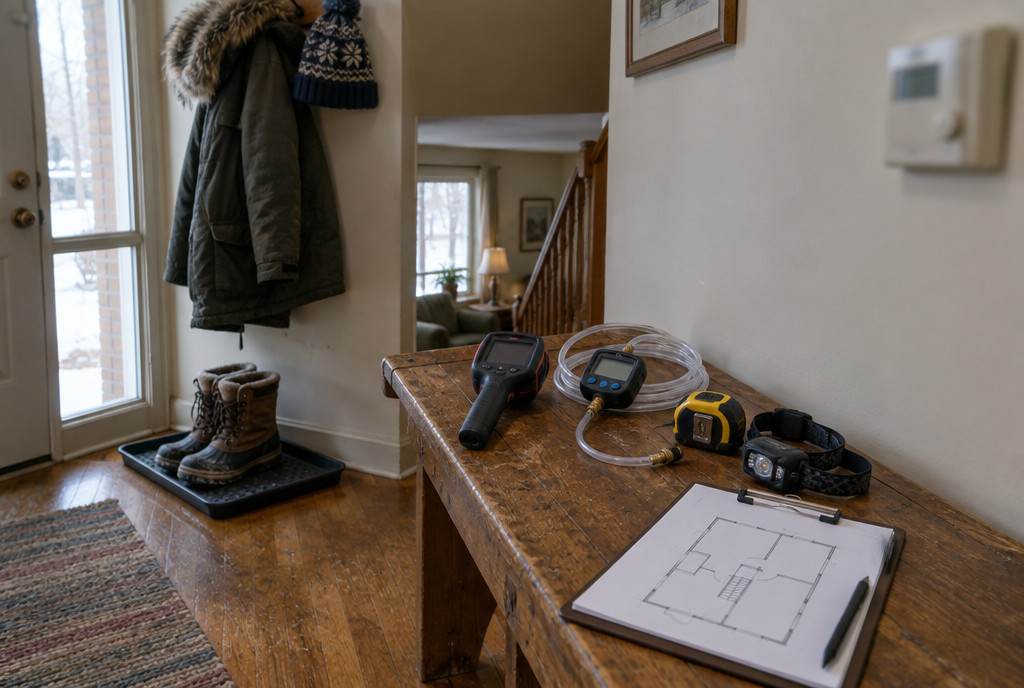
Home energy audit
22 licensed organizations Companies NRCan licenses to do EnerGuide evaluations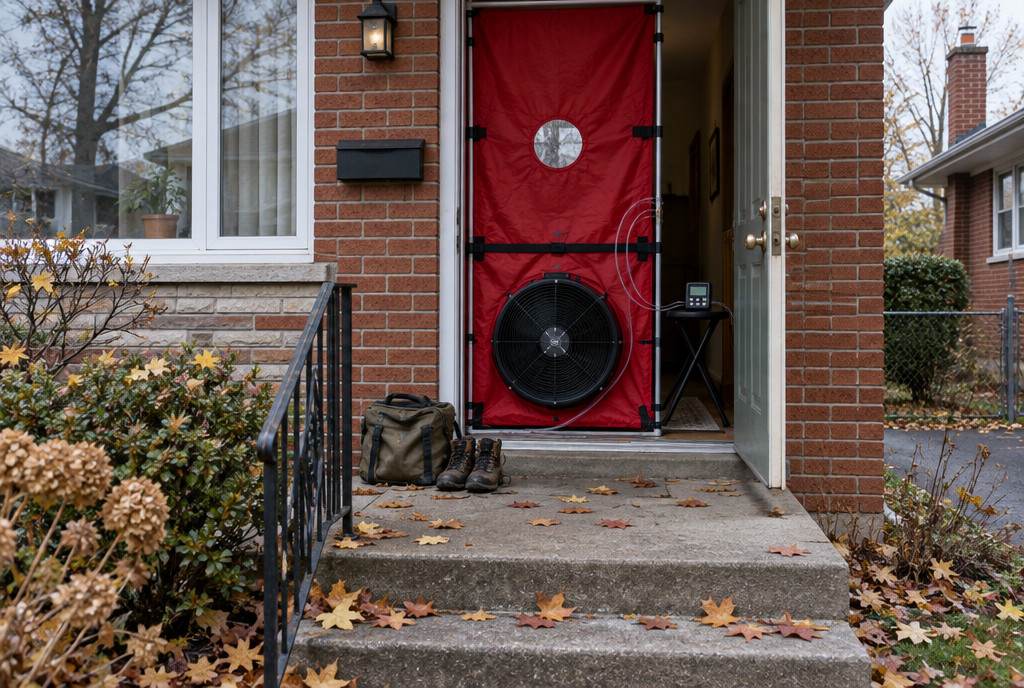
Blower door test
2,763 degree-days Mild winters by Canadian standards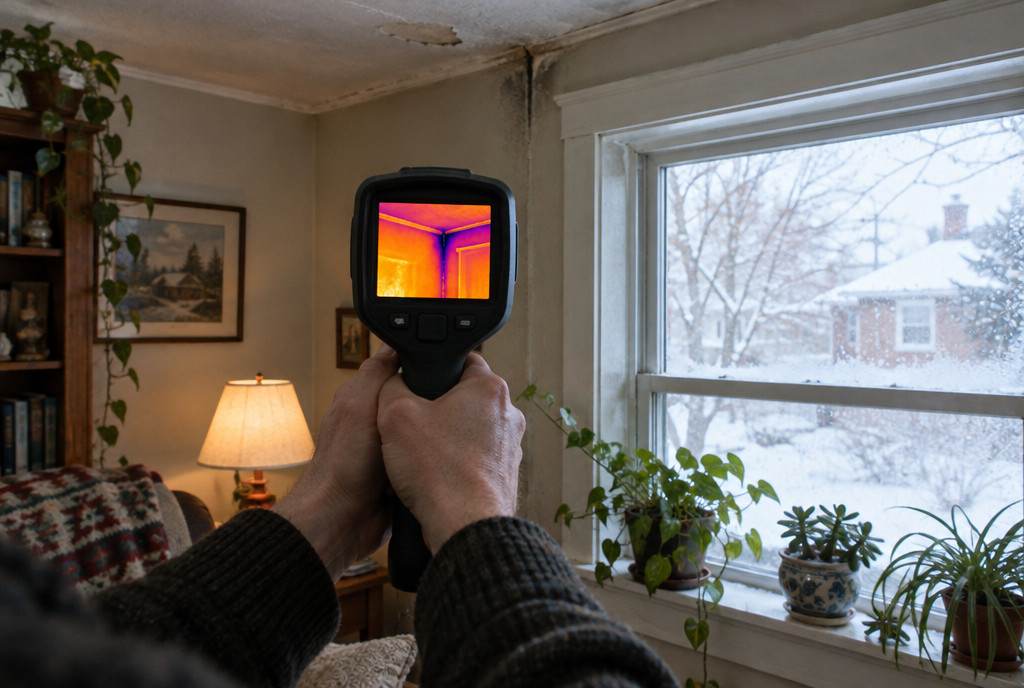
Thermal imaging inspection
2,763 degree-days Mild winters by Canadian standards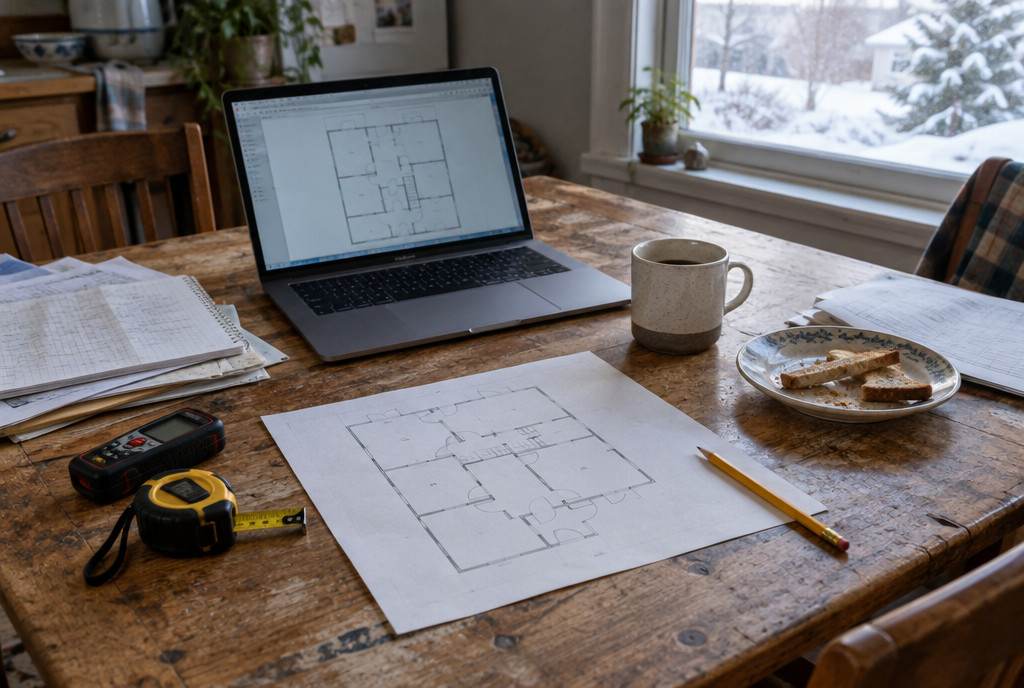
Heat loss calculation
Design temp −1.3°C The cold day heating is sized for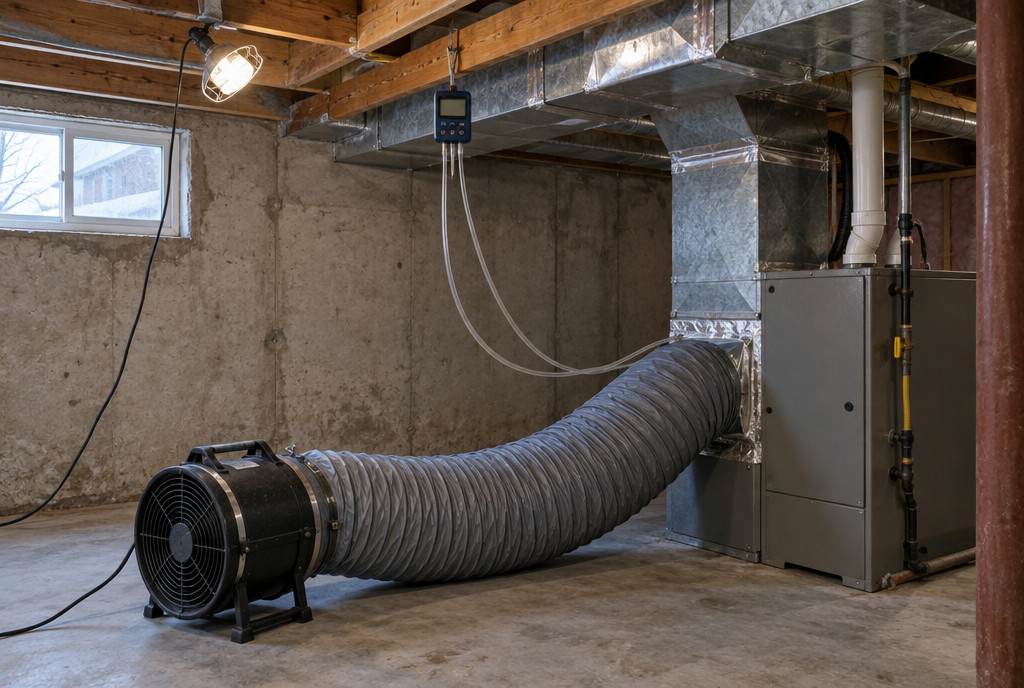
Duct leakage testing
about 16% forced-air Share of homes with ducts that can leak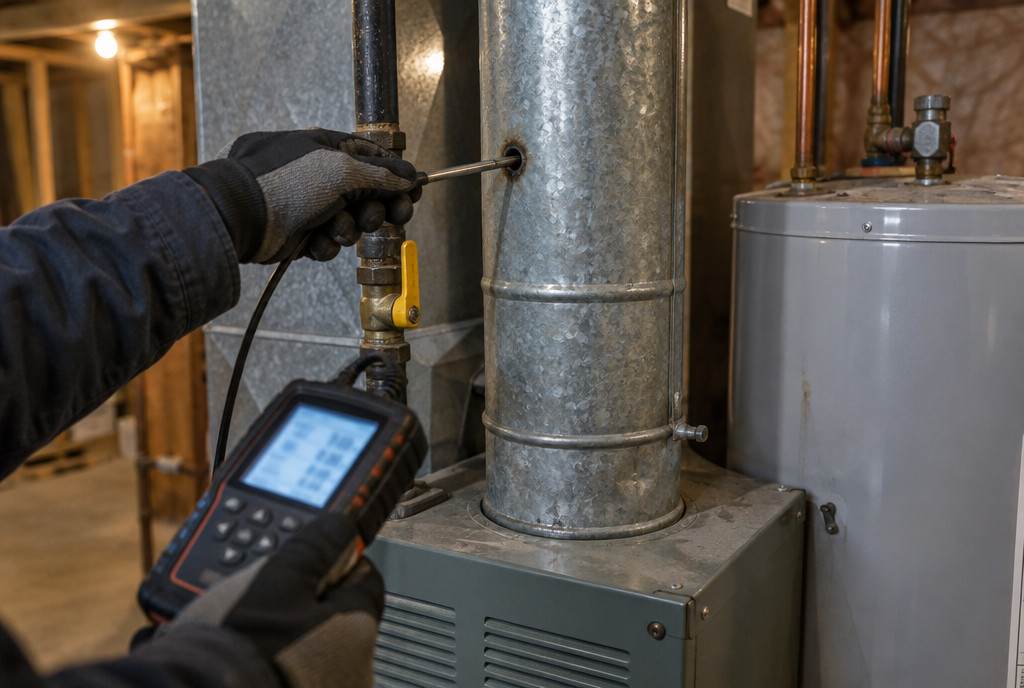
Combustion safety test
23% heat with gas Gas appliances need a venting check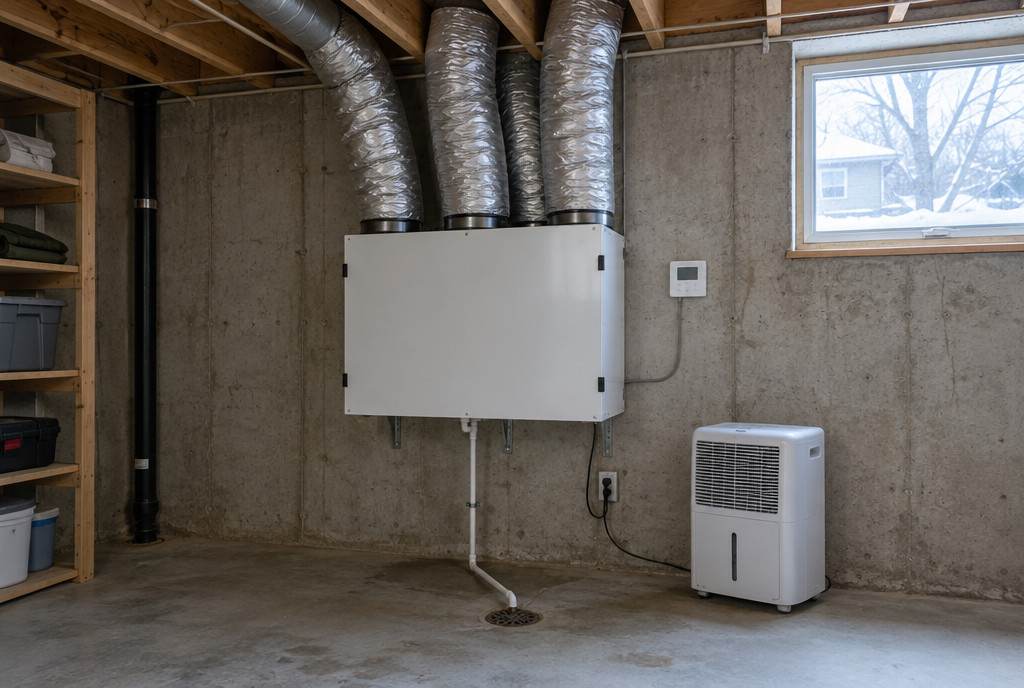
Ventilation and humidity assessment
11% built since 2001 Newer, tighter homes rely on fans or an HRV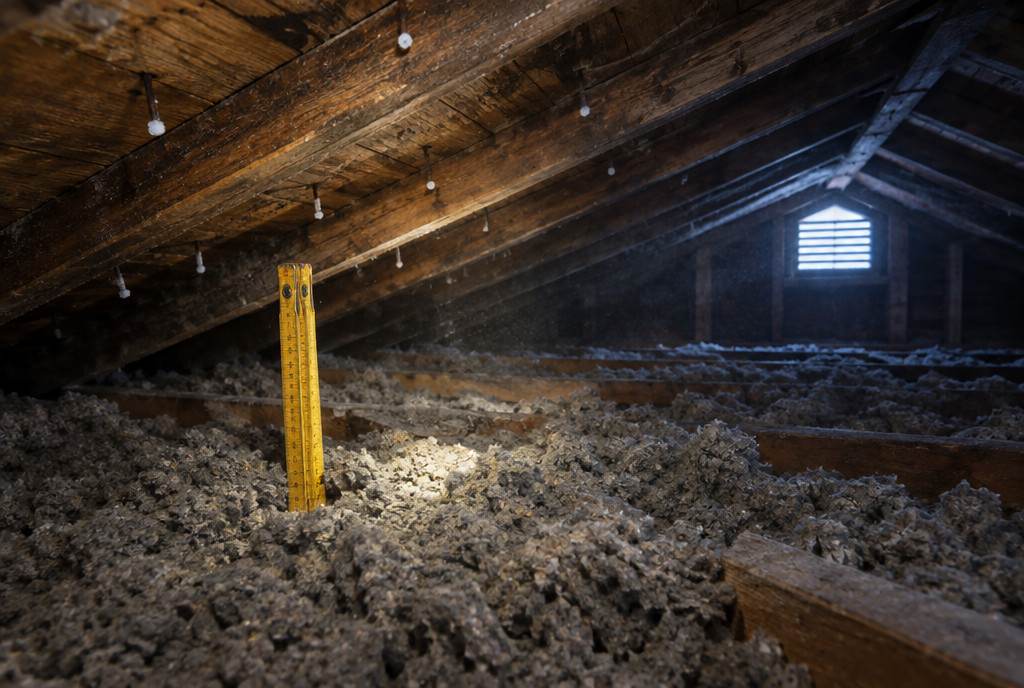
Attic insulation inspection
84% built before 1991 Older attics usually need more insulation
Energy bill analysis
BC Hydro Download 12 months of usage from your accountHome health tests
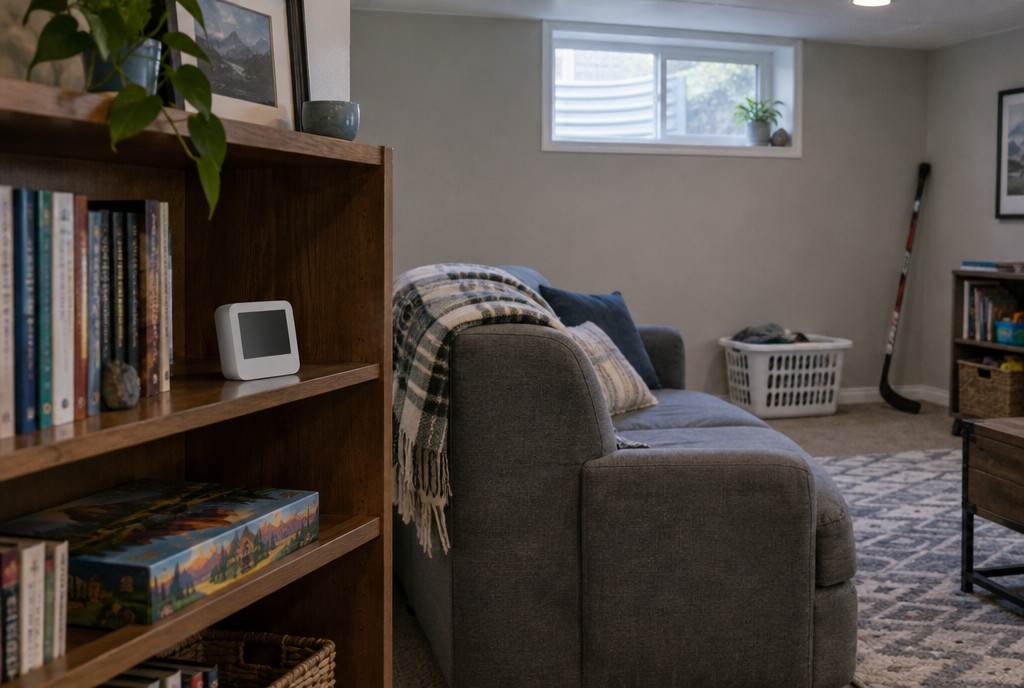
Radon testing
0.5% at or above guideline (2024) Neighbours' results don't predict yours: test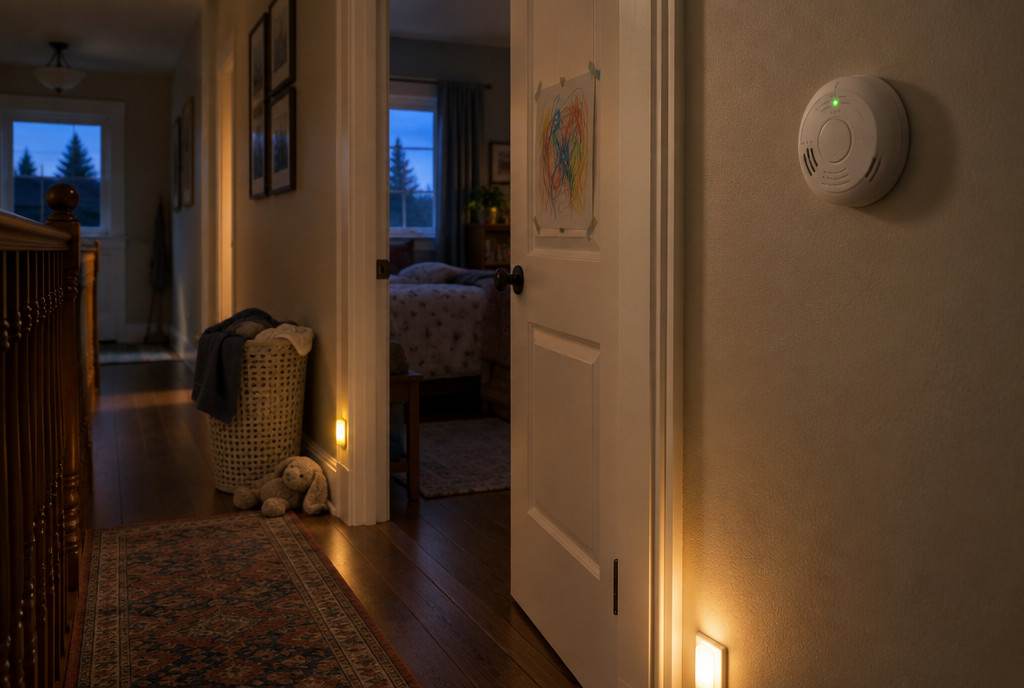
Carbon monoxide testing
Not required (recommended) Install alarms anyway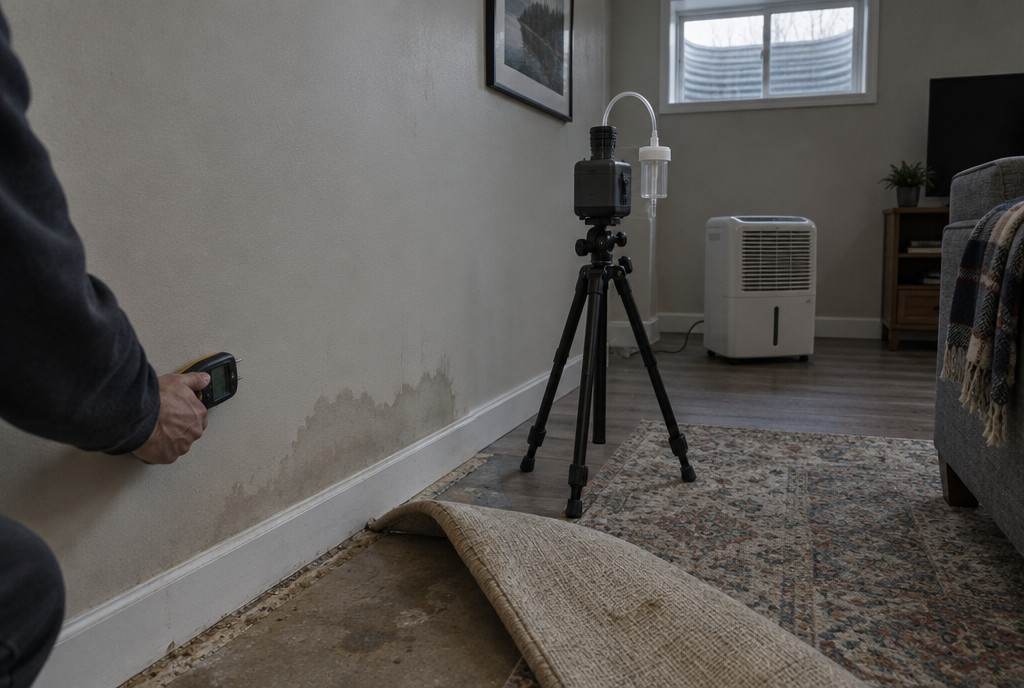
Mould and indoor air quality testing
84% built before 1991 Older homes have more damp spots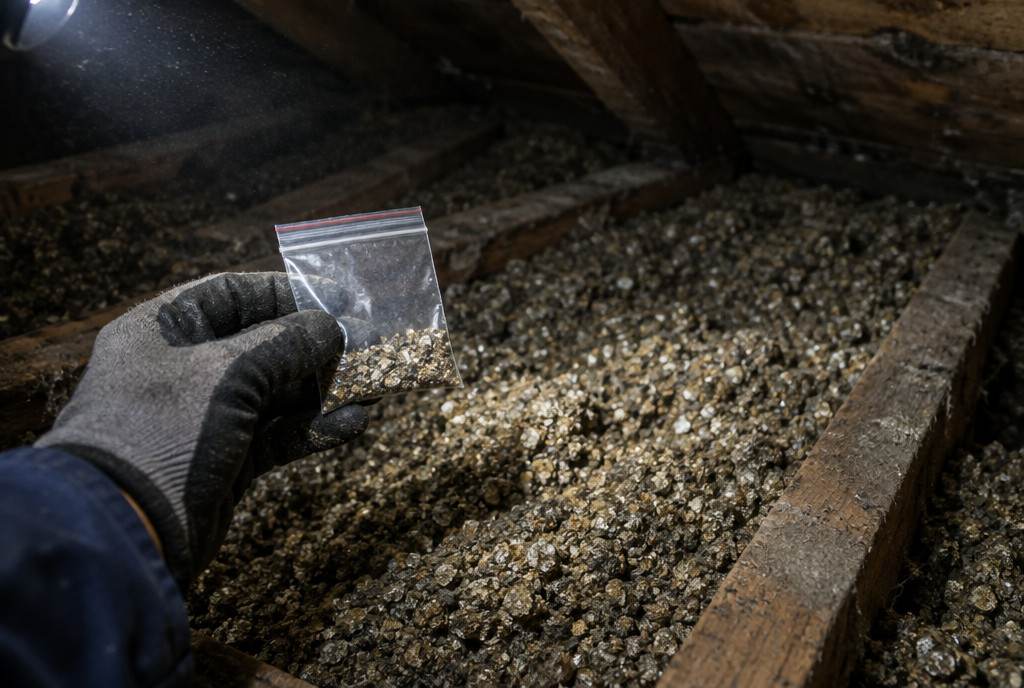
Asbestos and vermiculite testing
84% built before 1991 Common in materials until about 1990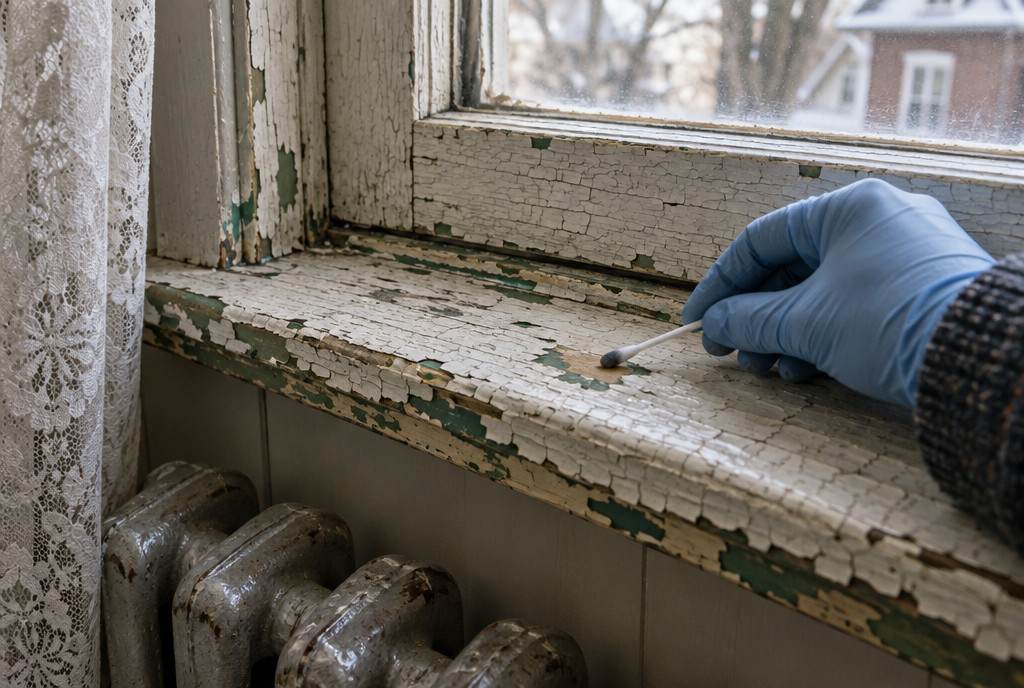
Lead paint testing
59% built before 1961 Pre-1960 paint probably contains lead
Well water testing
Wells rare Only homes on private wells need itFor businesses and buildings
Who does energy evaluations in Victoria
22 NRCan-licensed service organizations list Victoria postal codes. See the list with phone numbers and coverage →
City programs in Victoria
Home Energy Navigator (Capital Regional District)
Free local Energy Concierge (virtual home energy consultation, help finding rebates and reviewing quotes, personalized retrofit guide), promoted by the City of Victoria and delivered by City Green Solutions for the CRD. The City's rebates page lists no municipal heat pump top-up; it points to CleanBC Better Homes and BC Hydro rebates.
Strata Energy Advisor Program
City of Victoria and Saanich program with the Zero Emissions Innovation Centre: strata (condo) councils get an energy advisor who visits the building and prepares a personalized decarbonization plan (heat pumps, fuel switching). Condo buildings only; the City says applications are being accepted.
Rebates and financing for Victoria homes
Cities near Victoria
Sources
- Health Canada — Cross-Canada Survey of Radon Concentrations in Homes, final report (2012), Table 5
- Evict Radon National Study with Health Canada — 2024 Cross-Canada Survey of Radon Exposure (report v1.1)
- NRCan — HOT2000 Climate Map: heating degree-days and design temperatures for 403 locations
- Statistics Canada — 2021 Census, households by period of construction and dwelling type (table 98-10-0233-01)
- Statistics Canada — Households and the Environment Survey 2023, primary heating systems (table 38-10-0286-01)
- NRCan — Service organizations for existing homes (list checked September 25, 2026)
Planning upgrades in Victoria?
Tell us where you are and what you’re planning. We’ll connect you with a registered service organization for your area — no spam, no shared lead lists.