Alberta · 16 local services · checked September 28, 2026
Home energy audits and home testing in Red Deer
Red Deer gets about 5,515 heating degree-days a year (cold winters: heating dominates), 8% of its houses were built before 1961, and 23 NRCan-licensed service organizations list its postal codes. Pick a service for the local details.
Not sure what your house needs? Get your free plan → (six short steps, no email)
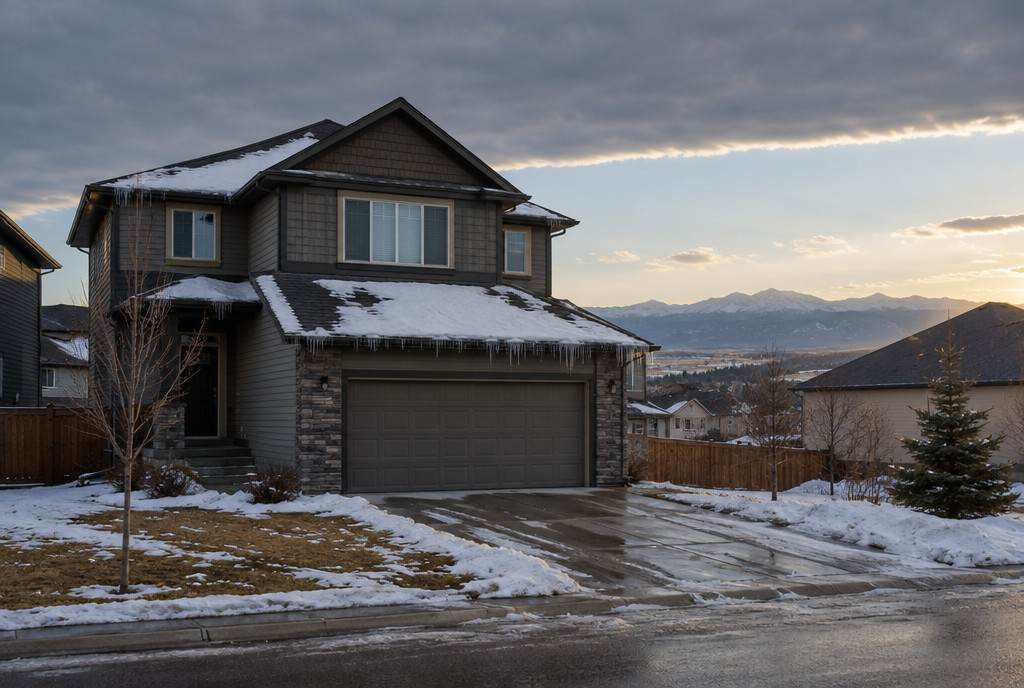
How Red Deer is built
- Before 1961 8%
- 1961–1990 39%
- 1991–2000 14%
- 2001 or later 40%
Red Deer at a glance
Climate
Red Deer gets about 5,515 heating degree-days a year, a measure of how much heating its climate needs, and its winter design temperature, the cold day heating systems are sized for, is −28.9°C. Those figures come from the climate data for Red Deer Regional in HOT2000, the home-energy software Natural Resources Canada (NRCan) gives energy advisors. Cold winters: heating is the biggest energy cost, so stopping leaks and insulating come first.
Housing
Of Red Deer's 31,405 houses (single-detached, semi-detached, row houses and duplexes), 8% were built before 1961 and 46% before 1991, according to the 2021 Census. The typical house dates from 1991–1995.
Heating
In the Red Deer area, 81% of households heat mainly with a forced-air furnace; natural gas is the main heating energy for 83% of households (Statistics Canada, 2023).
Radon
Health Canada's 2012 survey found 7.5% of 107 homes tested in the David Thompson Regional Health Authority health region above the guideline. The larger 2024 Cross-Canada survey reports 15.1% (1 in 7) of houses at or above the guideline for the Red Deer, AB (Red Deer CMA) metro area.
Prairies Alberta, Saskatchewan and Manitoba
What homes in Red Deer need
Long, very cold, very dry winters: air sealing, radon testing and humidity balance lead.
Heating is the big bill here: winters are long and very dry, and cold snaps reach −30°C to −35°C. Radon is common, and electricity prices vary widely between provinces, which changes what pays back. An EnerGuide evaluation should focus on air sealing, attic and basement insulation, a radon test and safe humidity levels.
In Red Deer: Red Deer's winters are long and cold, with cold snaps near −32°C and about 22 days a year of wind chill below −30, while summers rarely need much cooling. Gas heats about 83% of local homes; air sealing and attic insulation are the main levers.
What drives bills and comfort here
- Heating dominates: winters are long, and cold snaps regularly reach −30°C to −35°C.
- Winter air is extremely dry, so homes feel parched, yet over-humidifying frosts windows and can wet the attic.
- Natural gas heats 70% to 83% of homes in Alberta and Saskatchewan cities, and 56% in Winnipeg (2023).
- Power prices differ sharply: about 23¢/kWh in Calgary, 18¢ in Regina and 10.5¢ in Winnipeg (April 2025), which shapes heat-pump savings.
Local risks to plan for
- Snow covers the ground 10 cm deep or more about 73 days a year.
- Radon: just over 1 in 6 Alberta homes tested at or above the guideline in 2024.
- Severe storms: a July 2022 tornado damaged homes west of Olds, south of the city.
What to check first, and why
-
Seal the top and bottom of the house
In deep cold, warm air rises and escapes through attic leaks while cold air is pulled in down low. Sealing both saves heat and helps prevent attic frost and ice dams.
Ask your energy advisor: Ask the registered energy advisor to find attic bypasses, rim joist gaps and basement penetrations during the blower door test.
-
Test every home for radon
The 2024 national survey found about 1 in 3 homes at or above Health Canada's guideline in Saskatchewan and Manitoba, and just over 1 in 6 in Alberta.
Ask your energy advisor: Run a 3-month test in the heating season, then retest after air sealing or basement work.
-
Balance dry air against condensation
Winter air is extremely dry, but humidifying too much frosts windows and can wet walls and attic sheathing. The colder it gets outside, the lower indoor humidity must be.
Ask your energy advisor: Ask for a ventilation assessment and a target indoor relative humidity that suits your windows and outdoor temperatures.
-
Insulate the basement and rim joists
Basements can account for about 20% of a home's heat loss. Check for cracks and water entry first; Manitoba's clay soils cracked some foundations during the 2021 drought.
Ask your energy advisor: Ask whether the basement is dry enough to insulate from inside, and how much air leaks at the rim joist.
-
Check gas appliances after tightening
Most homes here burn natural gas. Air sealing can depressurize the house and pull exhaust back inside, so appliances need a combustion safety test and working CO alarms.
Ask your energy advisor: Ask for a combustion safety test during the blower door visit, and again after air sealing.
Tests that matter most here
- Blower door test Measures leakage and, with a thermal scan, pinpoints attic bypasses and rim joist and window leaks. Best timing: Any season; most revealing with a thermal scan on a cold, calm day.
- Infrared (thermal) scan Deep cold makes missing insulation and air leaks stand out clearly. Best timing: November to March, avoiding sunny walls and windy days.
- Attic inspection Frost, damp sheathing or thin insulation in the attic point to warm air leaking up from the house below. Best timing: Mid-winter, after a cold spell.
- Radon test High-radon region, and energy upgrades can change indoor levels. Best timing: At least 91 days in the heating season, on the lowest floor you use.
- Combustion safety test Checks that gas furnaces and water heaters vent safely in a tighter house. Best timing: During the blower door visit, especially after air sealing.
Upgrades that usually pay off here
- Attic air sealing, then insulation to R-59. Seal attic bypasses first, then insulate to at least today's new-home level for most of the region, about R-59. It cuts heat loss and helps prevent ice dams. Lethbridge's new-home level is a little lower, about R-49.
- Basement wall and rim joist insulation. A big share of heat loss in a long heating season. Fix water entry first; never insulate a wet basement from the inside.
- High-efficiency furnace or a hybrid heat pump. Where gas is the main fuel and power costs more, a cold-climate heat pump paired with the gas furnace often makes sense. Winnipeg's low power prices favour using the heat pump more. Ask how the switchover settings are configured for your rates.
- Balanced ventilation with an HRV or ERV. Once the house is tight, balanced ventilation controls moisture and stale air. An ERV can help keep very dry houses from drying out further.
Heating and cooling equipment
- Heating fully with a heat pump here generally needs a cold-climate heat pump, and backup heat is still required below its cut-off; cold-climate models work to about −30°C.
- Hybrid (dual-fuel) systems that keep the gas furnace for the coldest weather are a practical choice where power costs more, as in Alberta.
- Ground-source heat pumps avoid defrost and stay efficient in the coldest months, but their payback depends heavily on local power rates and the fuel replaced.
- Cooling is worthwhile in Winnipeg and Regina, where summers bring regular hot spells; much of Alberta needs little. An ERV often suits these dry-winter homes better than an HRV.
Health and comfort
- Radon: the 2024 national survey found about 1 in 5 homes at or above 200 Bq/m³ across the Prairies and NWT, and close to 1 in 3 in Saskatchewan and Manitoba.
- Wildfire smoke is a recurring summer issue: Calgary logged 512 smoky hours in 2021, and Saskatoon, Regina and Winnipeg had their smokiest July on record in 2025.
- Dry indoor air: relative humidity of 20% or more helps comfort, but the safe limit drops as it gets colder outside; above it, windows frost.
- Extreme cold: protect pipes in exterior walls and unheated spaces, and keep CO alarms working near gas appliances.
Common mistakes in this climate
- Over-humidifying in deep cold. It frosts windows and can wet attic sheathing and walls.
- A standard heat pump with no backup heat. It can't be expected to carry −30°C nights. Keep the furnace or another backup.
- Sealing around gas appliances without a safety check. A tighter house can pull exhaust back inside. Get a combustion safety test and keep CO alarms working.
- Chopping ice dams off the roof. An axe or pick damages the roof. Ice dams come from attic air leaks and thin insulation, so fix those instead.
When to book: Book the evaluation between November and March, when cold weather makes air leaks and missing insulation easy to see. Start a 3-month radon test in the heating season, and check the attic after a cold spell.
Sources for this climate guide · checked October 26, 2026
- National Building Code of Canada 2020, climate data (NRC)
- Canadian Climate Normals 1991–2020 (ECCC)
- Keeping the Heat In (NRCan)
- Air-Source Heat Pump Sizing and Selection Guide (NRCan)
- Heating and Cooling With a Heat Pump (NRCan)
- Heat pumps, Canada Greener Homes (NRCan)
- Gas and heat pump hybrid systems (NRCan)
- Primary heating systems by household, Table 38-10-0286-01 (Statistics Canada)
- Electricity price comparison, April 2025 (Hydro-Québec)
- 2024 Cross-Canada Survey of Radon Exposure
- Guide for Radon Measurements in Homes (Health Canada)
- Canada's top weather stories of 2021 (ECCC)
- Canada's most impactful weather stories of 2024 (ECCC)
- Canada's top weather stories of 2025 (ECCC)
- Conditions for thermal scans, ASTM C1060 summary (Cx Associates)
- Canada's top weather stories of 2022 (ECCC)
Local service guides for Red Deer
Energy audits and tests
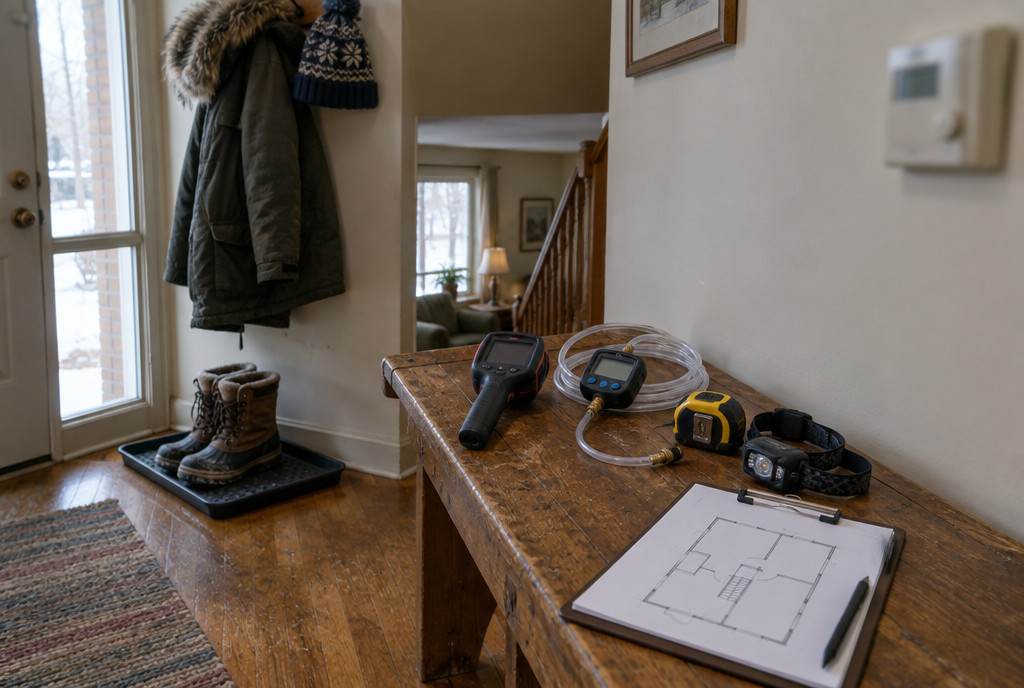
Home energy audit
23 licensed organizations Companies NRCan licenses to do EnerGuide evaluations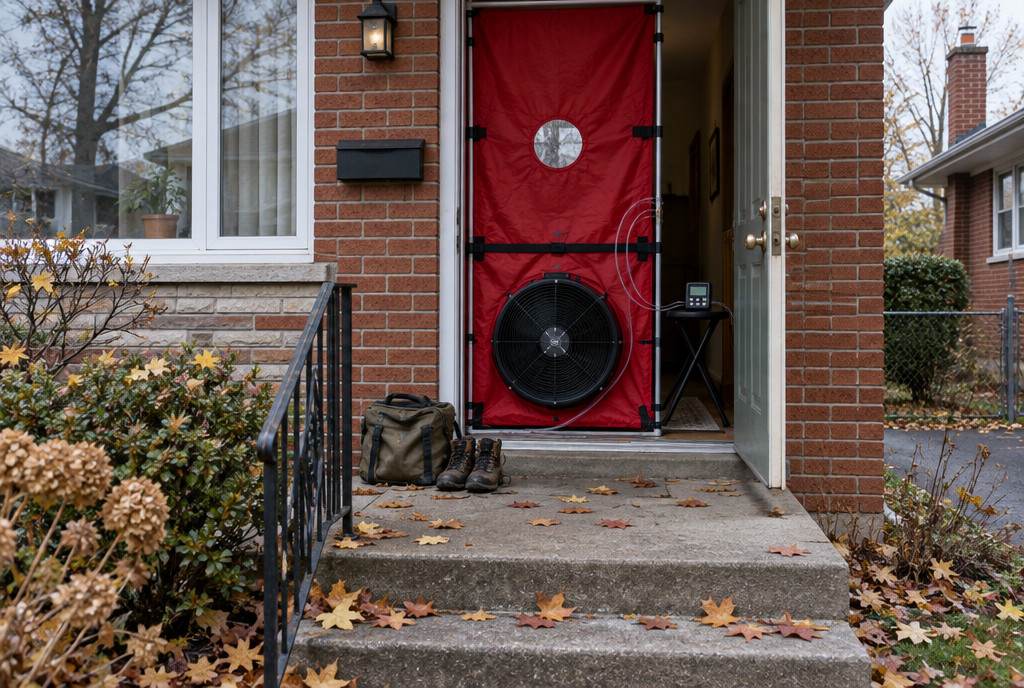
Blower door test
5,515 degree-days Cold winters: heating dominates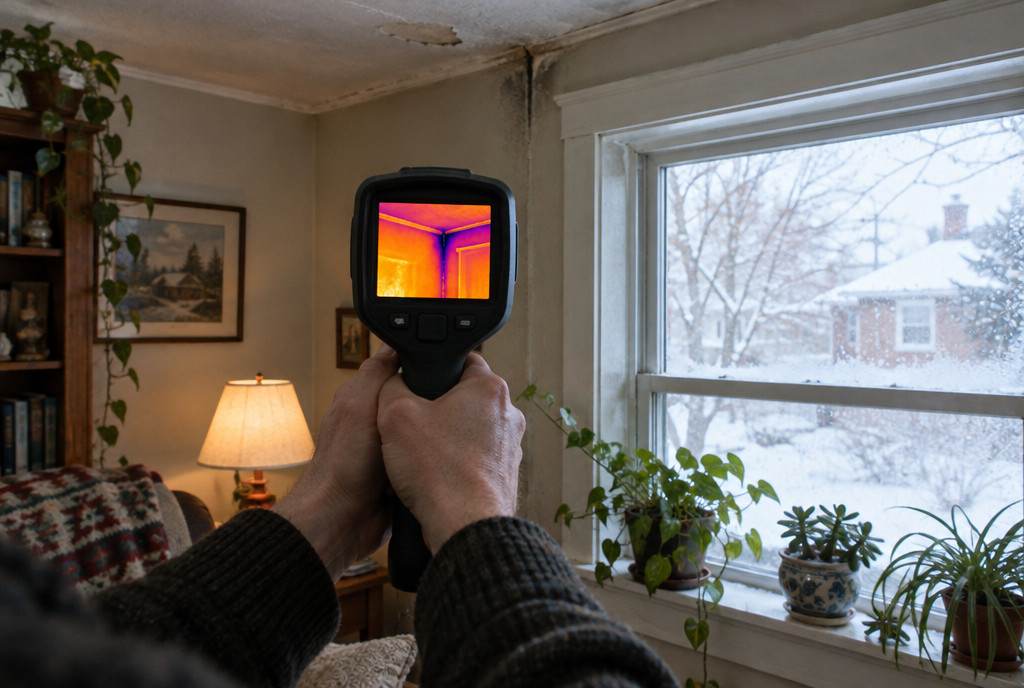
Thermal imaging inspection
5,515 degree-days Cold winters: heating dominates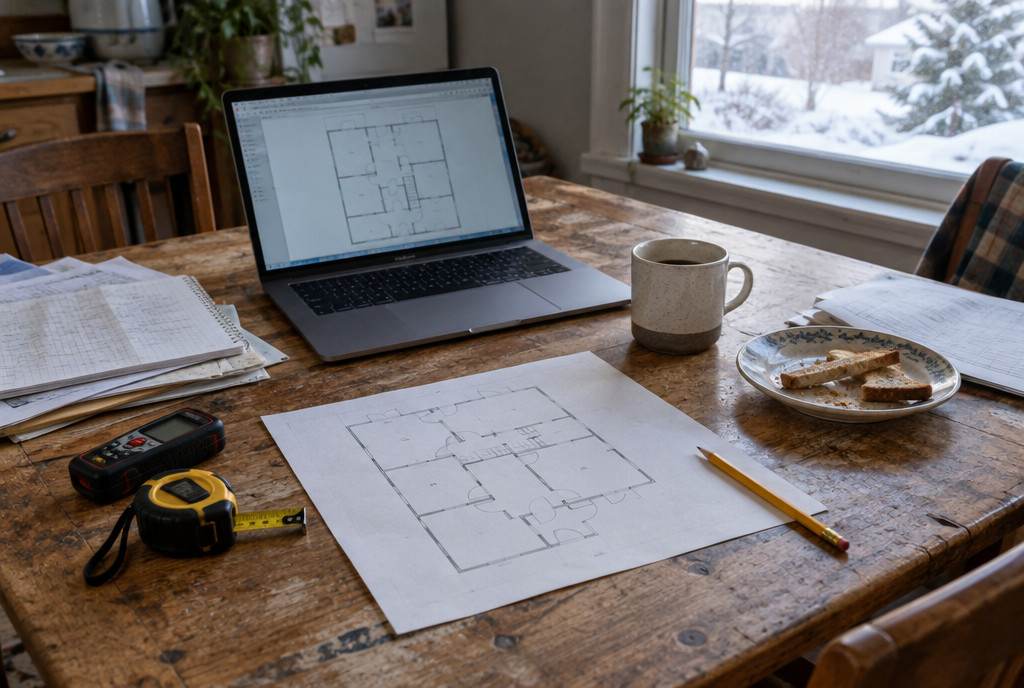
Heat loss calculation
Design temp −28.9°C The cold day heating is sized for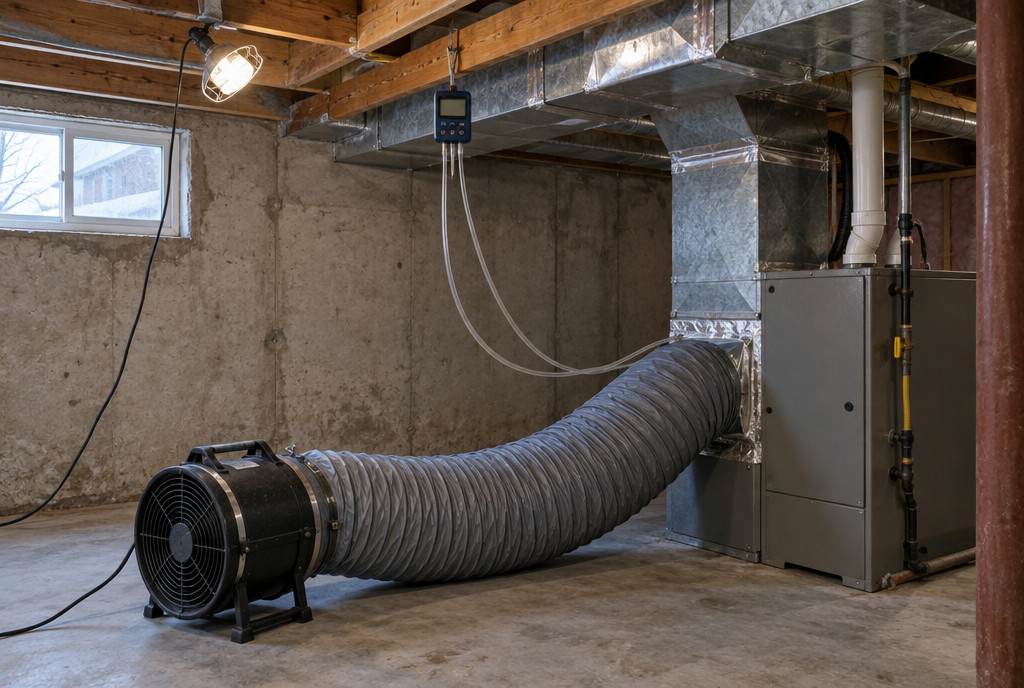
Duct leakage testing
81% forced-air Share of homes with ducts that can leak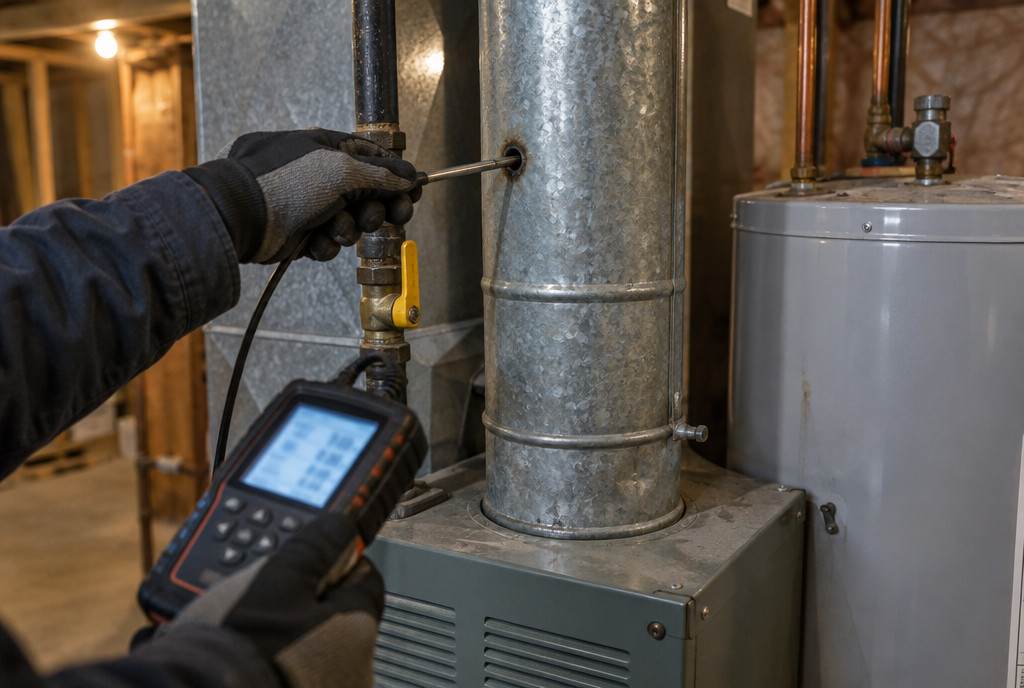
Combustion safety test
83% heat with gas Gas appliances need a venting check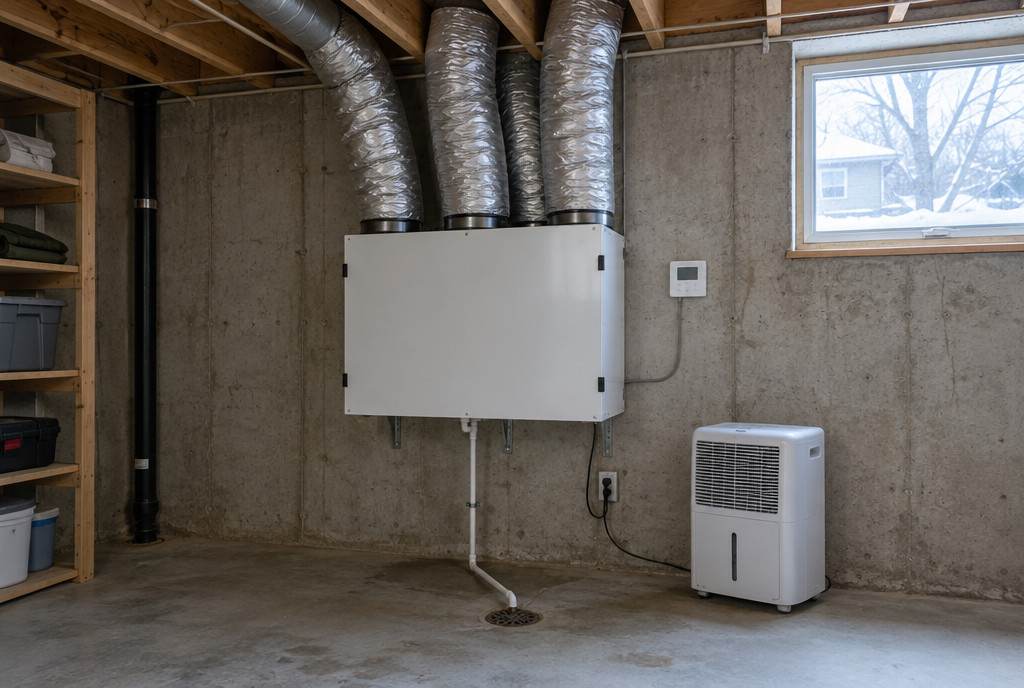
Ventilation and humidity assessment
40% built since 2001 Newer, tighter homes rely on fans or an HRV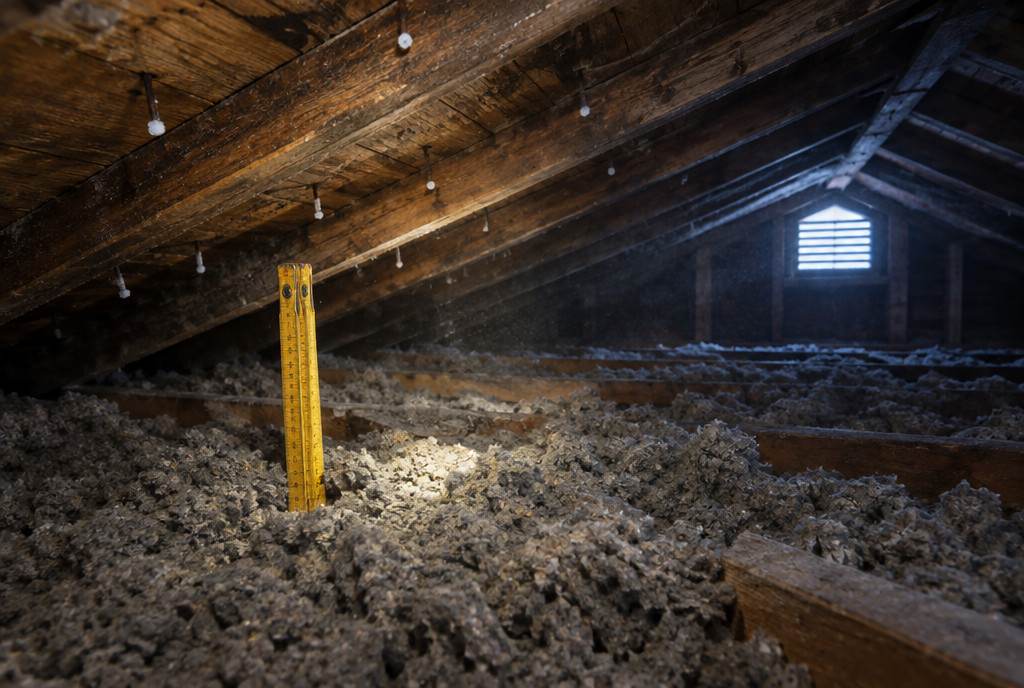
Attic insulation inspection
46% built before 1991 Older attics usually need more insulation
Energy bill analysis
City of Red Deer Electric Light & Power Download 12 months of usage from your accountHome health tests
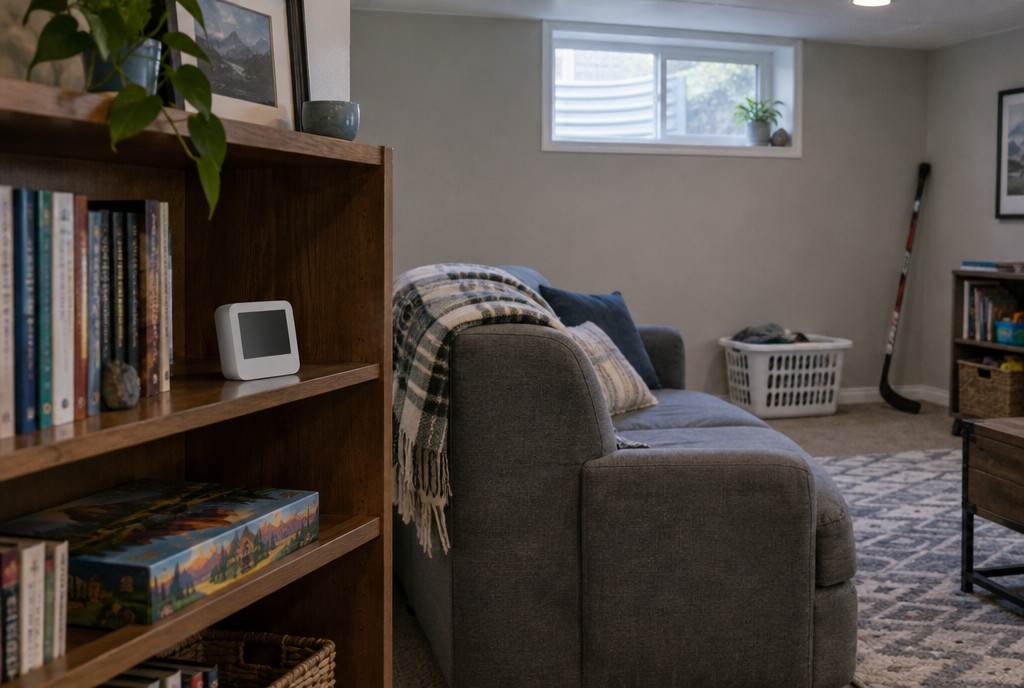
Radon testing
15.1% at or above guideline (2024) Neighbours' results don't predict yours: test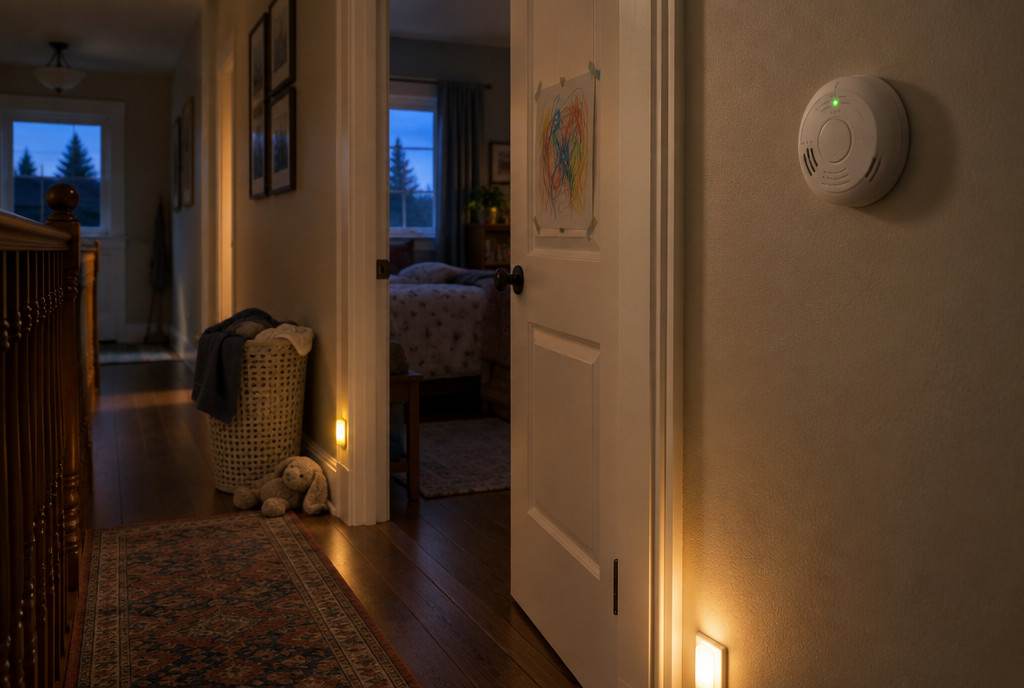
Carbon monoxide testing
Not required (recommended) Install alarms anyway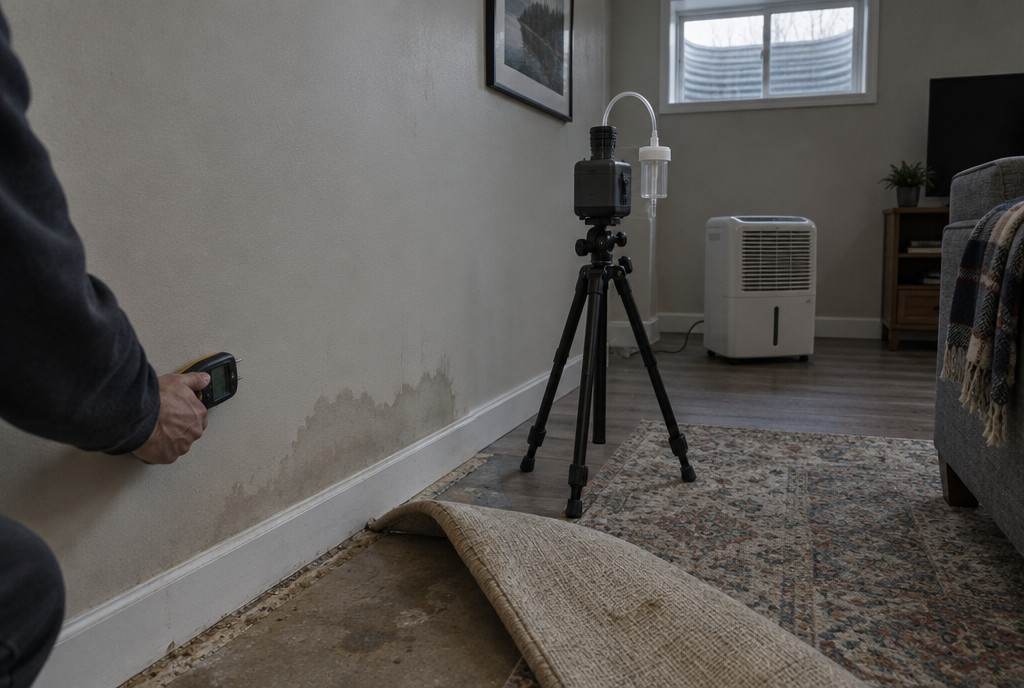
Mould and indoor air quality testing
46% built before 1991 Older homes have more damp spots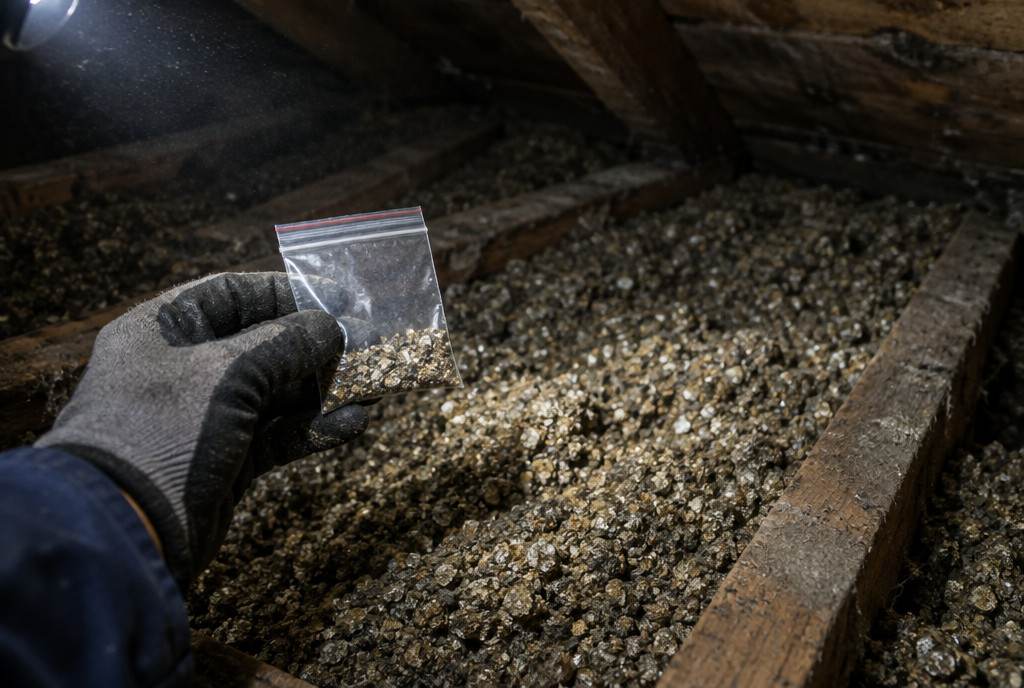
Asbestos and vermiculite testing
46% built before 1991 Common in materials until about 1990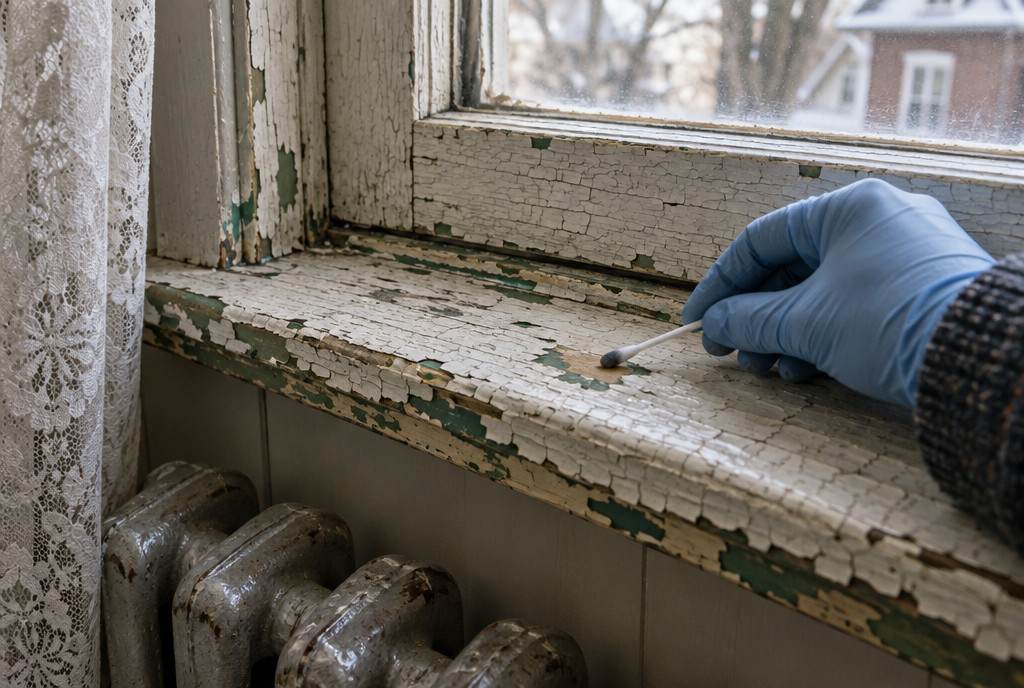
Lead paint testing
8% built before 1961 Pre-1960 paint probably contains lead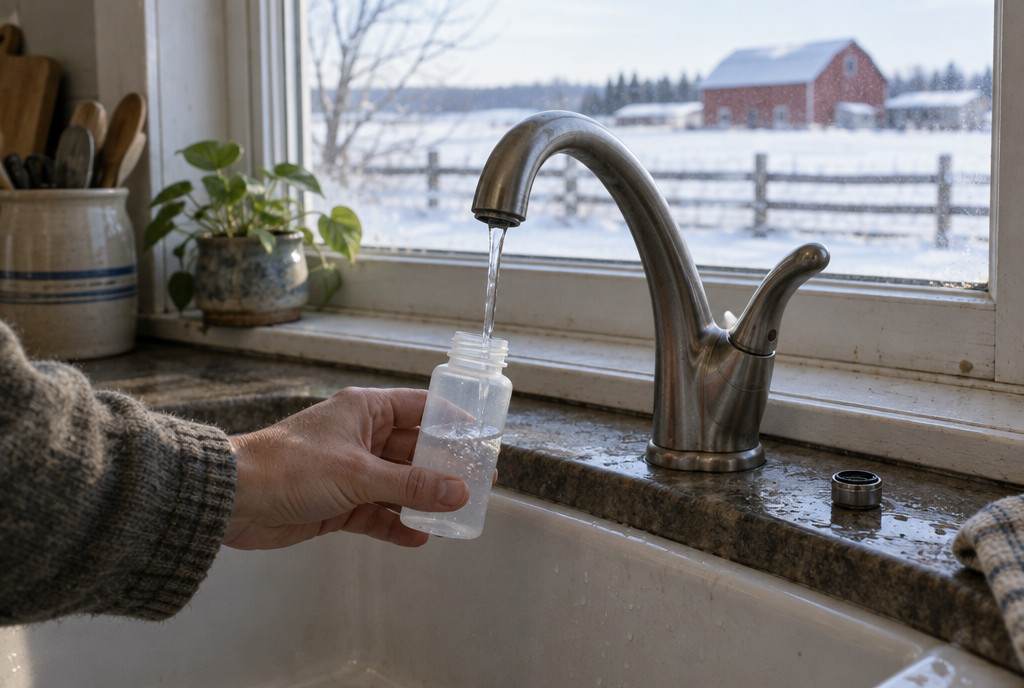
Well water testing
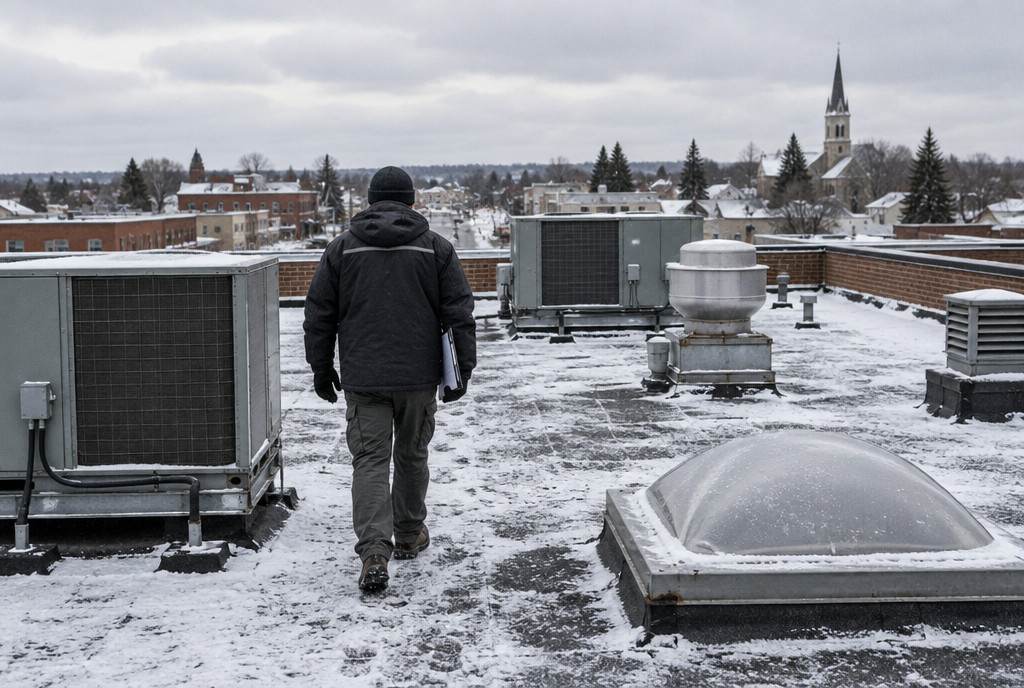
Wells rare Only homes on private wells need itFor businesses and buildings
Who does energy evaluations in Red Deer
23 NRCan-licensed service organizations list Red Deer postal codes. See the list with phone numbers and coverage →
City programs in Red Deer
Smart Thermostat Rebate
$50 City rebate for buying and installing a qualifying ENERGY STAR smart thermostat in 2026. Red Deer residents with a City utility account; one per account; apply by Dec 31, 2026 or until funds run out. Red Deer is not on Alberta Municipalities' list of residential CEIP municipalities.
Rebates and financing for Red Deer homes
Cities near Red Deer
Sources
- Health Canada — Cross-Canada Survey of Radon Concentrations in Homes, final report (2012), Table 5
- Evict Radon National Study with Health Canada — 2024 Cross-Canada Survey of Radon Exposure (report v1.1)
- NRCan — HOT2000 Climate Map: heating degree-days and design temperatures for 403 locations
- Statistics Canada — 2021 Census, households by period of construction and dwelling type (table 98-10-0233-01)
- Statistics Canada — Households and the Environment Survey 2023, primary heating systems (table 38-10-0286-01)
- NRCan — Service organizations for existing homes (list checked September 25, 2026)
Planning upgrades in Red Deer?
Tell us where you are and what you’re planning. We’ll connect you with a registered service organization for your area — no spam, no shared lead lists.