Northwest Territories · 16 local services · checked September 28, 2026
Home energy audits and home testing in Yellowknife
Yellowknife gets about 7,856 heating degree-days a year (extreme cold, very long winters), 3% of its houses were built before 1961, and one NRCan-licensed service organization lists its postal codes. Pick a service for the local details.
Not sure what your house needs? Get your free plan → (six short steps, no email)
How Yellowknife is built
- Before 1961 3%
- 1961–1990 54%
- 1991–2000 21%
- 2001 or later 22%
Yellowknife at a glance
Climate
Yellowknife gets about 7,856 heating degree-days a year, a measure of how much heating its climate needs, and its winter design temperature, the cold day heating systems are sized for, is −39.2°C. Those figures come from the climate data for Yellowknife in HOT2000, the home-energy software Natural Resources Canada (NRCan) gives energy advisors. Extreme cold and a very long heating season: envelope work comes first, and heating reliability is a safety issue.
Housing
Of Yellowknife's 5,225 houses (single-detached, semi-detached, row houses and duplexes), 3% were built before 1961 and 57% before 1991, according to the 2021 Census. The typical house dates from 1981–1990.
Radon
Health Canada's 2012 survey found 5.4% of 185 homes tested in the Northwest Territories health region above the guideline.
The North Yukon, NWT and Nunavut
What homes in Yellowknife need
Extreme cold and costly energy: envelope first, reliable heat, safe oil tanks, permafrost.
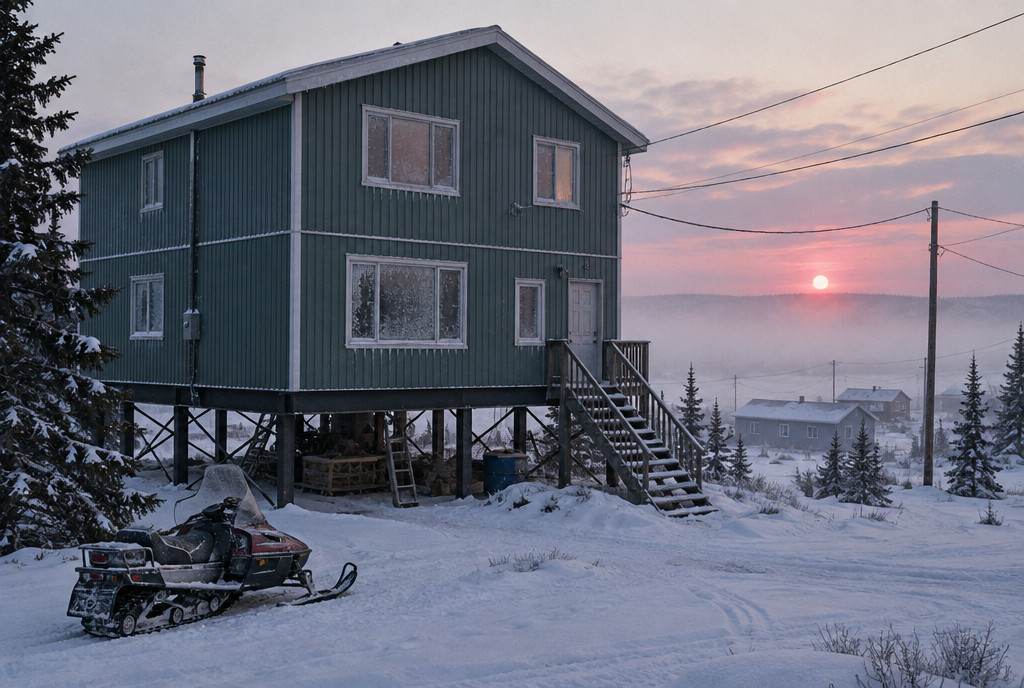
The North has the longest, coldest winters we cover, with temperatures that reach −41°C. About half of Yukon homes heat with oil, and electricity costs more than in southern cities, so every bit of heat kept in saves real money. An EnerGuide evaluation here should put the building envelope first, then check heating reliability, oil tank safety, ventilation and humidity limits, and signs of permafrost movement.
In Yellowknife: Yellowknife has the highest heating demand of any city we cover, with about 89 days a year of wind chill below −30, and power costs well over 30¢/kWh once extra charges are added. Envelope upgrades save more here than almost anywhere else.
What drives bills and comfort here
- The longest, coldest heating season we cover: cold snaps reach −41°C in both Whitehorse and Yellowknife.
- Oil heats about half of Yukon homes, and heating oil averaged about $2.25 to $2.28 a litre in Whitehorse and Yellowknife in September 2026.
- Electricity is expensive: about 26¢/kWh in Whitehorse, and well over 30¢ in Yellowknife once extra charges are added (2026).
- Yukon's grid is mostly hydro, but liquefied natural gas and diesel cover winter peaks, so deep-winter heat-pump use partly runs on fossil power.
Local risks to plan for
- About 20,000 people were evacuated for almost three weeks in August 2023 as wildfire approached.
- Thaw-sensitive permafrost patches can shift houses, oil tanks and fuel lines.
- Radon: about 1 in 5 NWT homes tested at or above the guideline in 2024.
What to check first, and why
-
Envelope first: seal, insulate, upgrade windows
With the coldest winters we cover and costly fuel, envelope work saves more than equipment changes. Today's new-home minimums here, about R-59 attics and R-22 walls, are good targets.
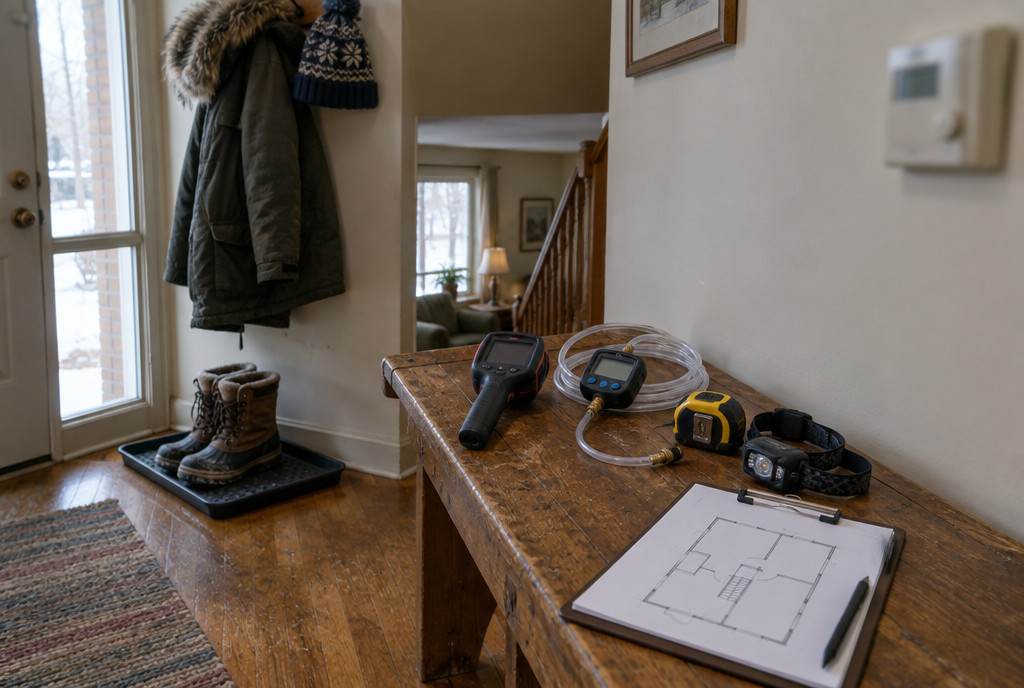
Ask your energy advisor: Ask for a blower door test with a thermal scan, and a list of envelope upgrades ranked by savings.
-
Keep heat reliable and oil tanks safe
Oil is the main fuel, and losing heat at −40°C is serious. Permafrost movement can tilt oil tanks and strain fuel lines.
Ask your energy advisor: Ask the advisor to check the burner, venting and CO alarms, and to look for a leaning tank or bent supply line.
-
Ventilate within humidity limits
A tight house needs fresh air, but at −40°C indoor relative humidity must stay very low, about 12% to 20% depending on the windows, to avoid frost and condensation.
Ask your energy advisor: Ask for a ventilation assessment, and an HRV or ERV with frost protection.
-
Watch for permafrost movement
Whitehorse sits where permafrost underlies 10% to 50% of the ground, and Yellowknife-area homes can sit on thaw-sensitive patches. Thaw can crack walls and jam doors.
Ask your energy advisor: Ask the advisor to note sticking doors, new cracks or sloping floors, and call an engineer if the house is moving.
-
Test for radon
Whitehorse ranked among the highest municipalities in the 2024 national survey, and about 1 in 4 Yukon homes tested at or above Health Canada's guideline.
Ask your energy advisor: Run a 3-month test in the heating season, and retest after air sealing.
Tests that matter most here
- Blower door test The biggest savings come from finding and sealing leaks; it measures ACH50 before and after. Best timing: October to April, avoiding strong wind.
- Infrared (thermal) scan Deep cold makes insulation gaps and air leaks stand out clearly. Best timing: October to April, almost any day; avoid strong wind and sun on the walls being scanned.
- Combustion safety test Oil and propane heat many homes, and a tighter house can cause backdrafting. Best timing: With the blower door visit.
- Ventilation assessment Checks that fresh air reaches a tight house without pushing indoor humidity past what the windows can handle. Best timing: In mid-winter, when humidity limits are tightest.
- Radon test High radon in Yukon. Best timing: At least 91 days in the heating season.
Upgrades that usually pay off here
- Air sealing and insulation to northern levels. The biggest savings anywhere we cover: the highest heating demand, paid for with costly oil and power. Seal first, then insulate attics, walls and rim joists.
- Efficient heating with full backup. A high-efficiency oil, propane or pellet system, or a cold-climate heat pump with full backup where power is mostly hydro. Air-source heat pumps can't carry the coldest weather here.
- HRV with frost protection. Brings in fresh air without throwing away heat in a tight house.
- Energy-efficient windows. Cut heat loss and let you keep a little more indoor humidity before windows frost.
Heating and cooling equipment
- Air-source heat pumps need a full-size backup here: in NRCan's subarctic zone, only about 45% of the yearly heating load comes at −9.4°C or warmer.
- Cold-climate air-source heat pumps are rated to about −30°C, while cold snaps here reach −41°C.
- An ERV suits homes where indoor air runs very dry, as it does in northern winters; whichever you choose, it needs frost protection.
- Keep CO alarms near every fuel-burning appliance, and have oil burners serviced before winter.
Health and comfort
- Radon: about 1 in 4 Yukon homes and about 1 in 5 NWT homes tested at or above 200 Bq/m³ in the 2024 survey. Test every home.
- Wildfire smoke and evacuation: about 20,000 people left Yellowknife and nearby communities for almost three weeks in August 2023. Have filtration ready for smoky days.
- Extreme cold: Whitehorse fell to −44.8°C in January 2022. Protect pipes, and have a plan if the heat goes out.
- Very dry indoor air: humidify only within window-condensation limits, or frost and moisture build up on windows and in walls.
Common mistakes in this climate
- Banking snow or water against the foundation. It warms the ground and can thaw permafrost under the house. Keep snow and drainage away from the foundation.
- An air-source heat pump without full backup. It can't carry the coldest weather here.
- Leaving oil tanks and lines unchecked. Ground movement can tilt tanks and bend supply hoses; check them every season.
- Air sealing without ventilation and safety checks. A tight house needs fresh air and a combustion safety test so appliances vent safely.
When to book: Book the evaluation between October and April, when the cold makes leaks easy to find. Start a 3-month radon test in the heating season, and check the foundation in late summer, when thaw is deepest.
Sources for this climate guide · checked October 26, 2026
- National Building Code of Canada 2020, climate data (NRC)
- Canadian Climate Normals 1991–2020 (ECCC)
- Keeping the Heat In (NRCan)
- Air-Source Heat Pump Sizing and Selection Guide (NRCan)
- Heat pumps, Canada Greener Homes (NRCan)
- Heating and Cooling With a Heat Pump (NRCan)
- Yukon Energy Facts 2024 (Yukon Bureau of Statistics)
- Household heating oil prices, Table 18-10-0001-01 (Statistics Canada)
- Residential electricity rates, April 2026 (ATCO Electric Yukon)
- Residential rate schedule, July 2026 (Naka Power, Yellowknife)
- Rates and riders (Naka Power, Yellowknife)
- Energy profile: Northwest Territories (Canada Energy Regulator)
- Energy profile: Yukon (Canada Energy Regulator)
- Keep Your House on Solid Ground: permafrost guide (Government of the NWT)
- Permafrost in Nunavut: a homeowner's guide (Government of Nunavut)
- Permafrost thaw mapping, Whitehorse area (Yukon University)
- 2024 Cross-Canada Survey of Radon Exposure
- Guide for Radon Measurements in Homes (Health Canada)
- Canada's top weather stories of 2022 (ECCC)
- Canada's top weather stories of 2023 (ECCC)
- Conditions for thermal scans, ASTM C1060 summary (Cx Associates)
Local service guides for Yellowknife
Energy audits and tests
Home energy audit
1 licensed organization Companies NRCan licenses to do EnerGuide evaluations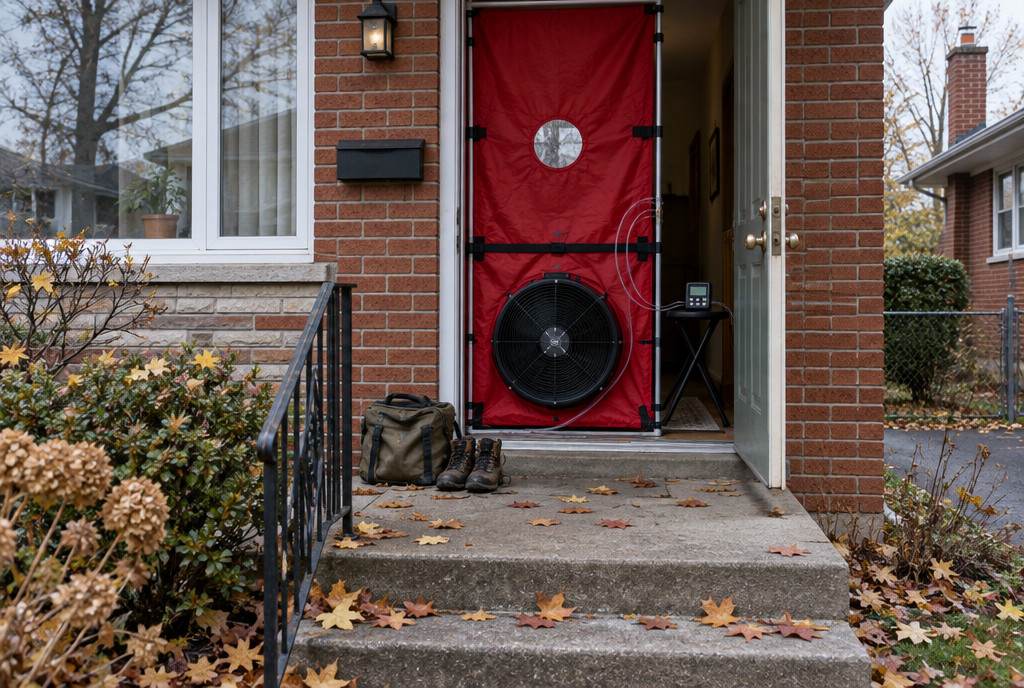
Blower door test
7,856 degree-days Extreme cold, very long winters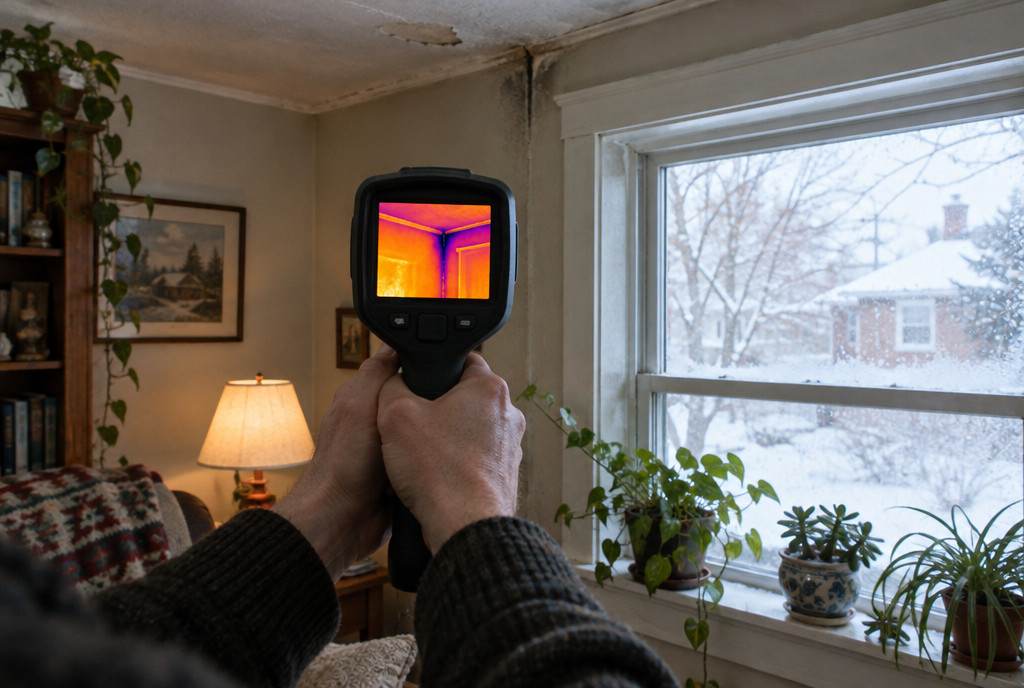
Thermal imaging inspection
7,856 degree-days Extreme cold, very long winters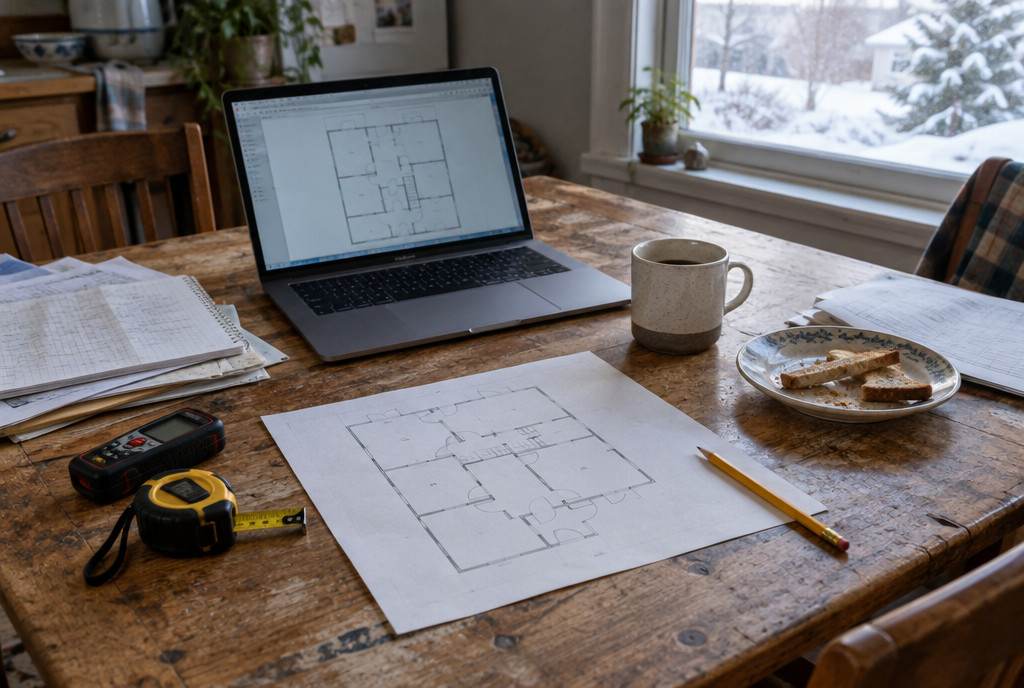
Heat loss calculation
Design temp −39.2°C The cold day heating is sized for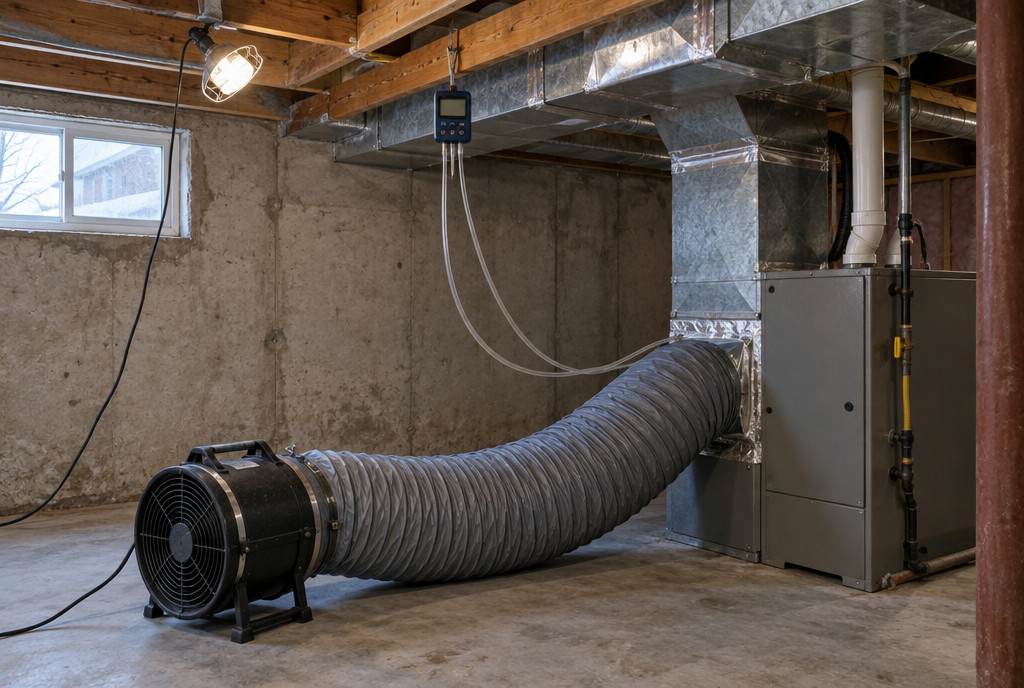
Duct leakage testing
7,856 degree-days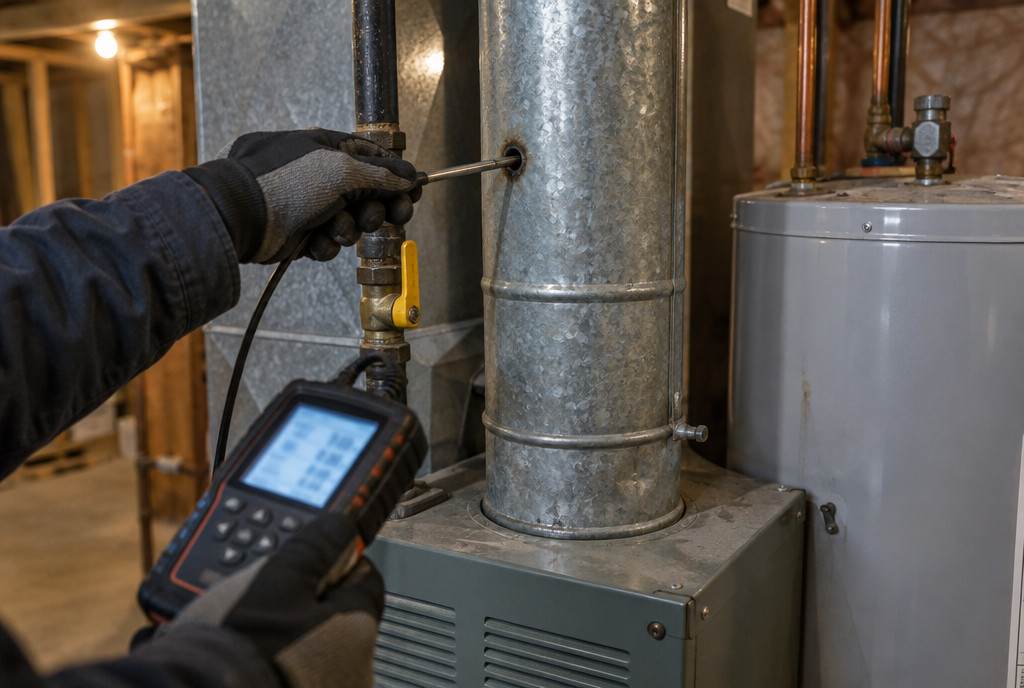
Combustion safety test
No piped gas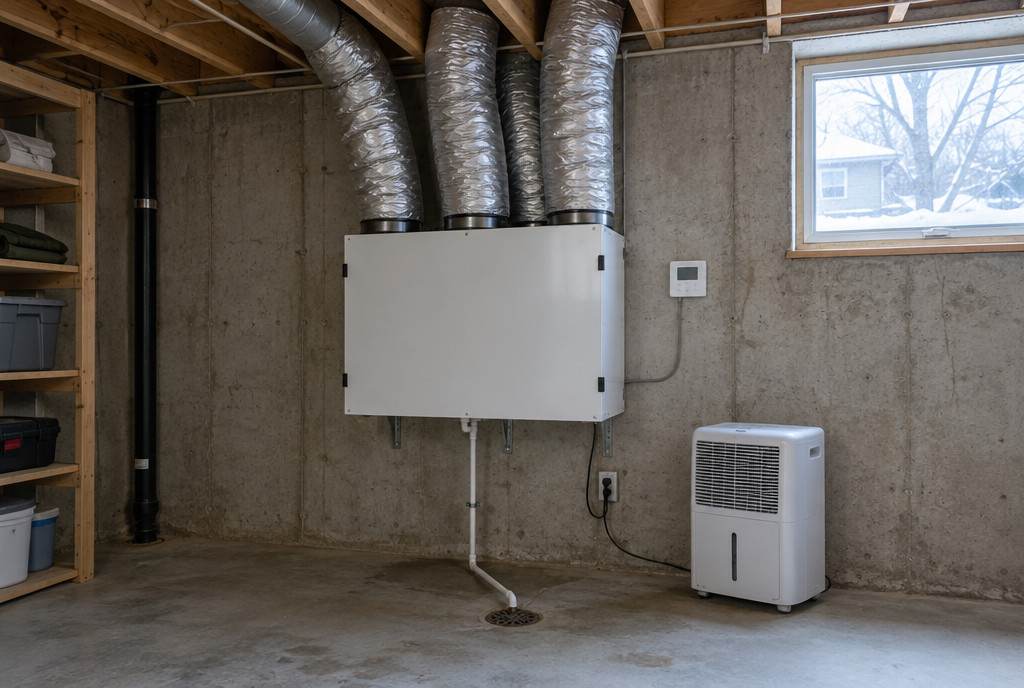
Ventilation and humidity assessment
22% built since 2001 Newer, tighter homes rely on fans or an HRV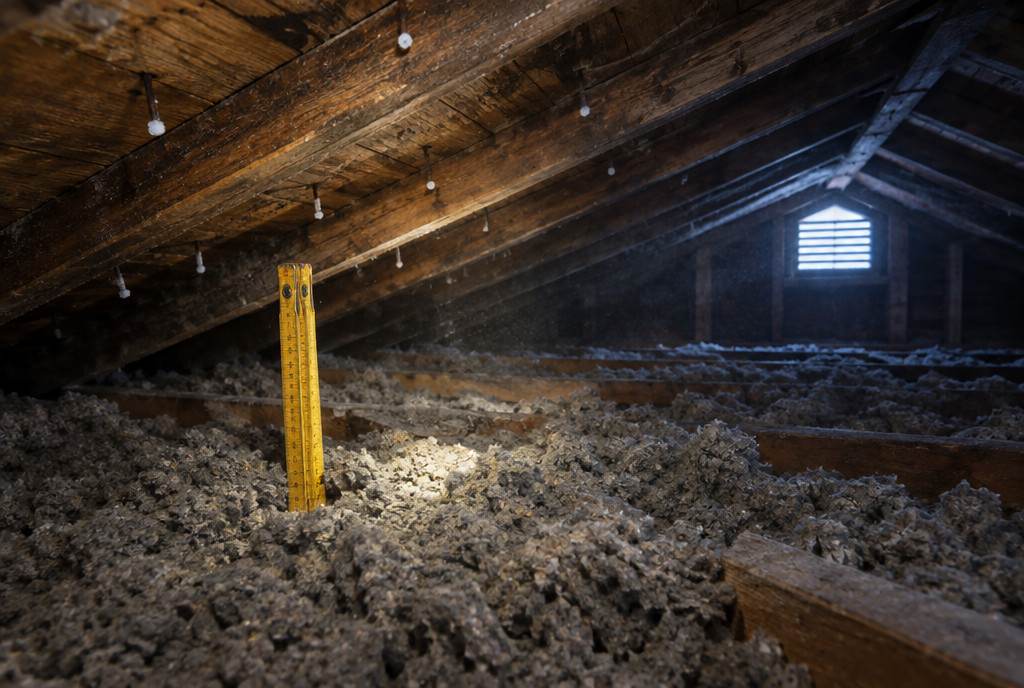
Attic insulation inspection
57% built before 1991 Older attics usually need more insulation
Energy bill analysis
Naka Power Utilities (formerly Northland Utilities) Download 12 months of usage from your accountHome health tests
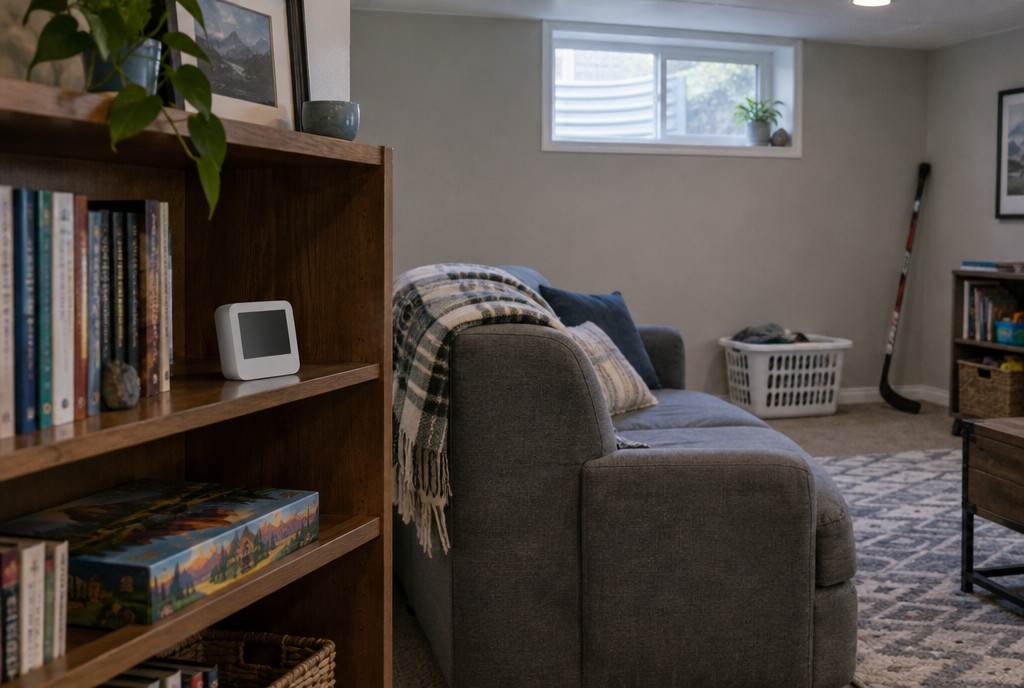
Radon testing
5.4% above guideline (2012) Neighbours' results don't predict yours: test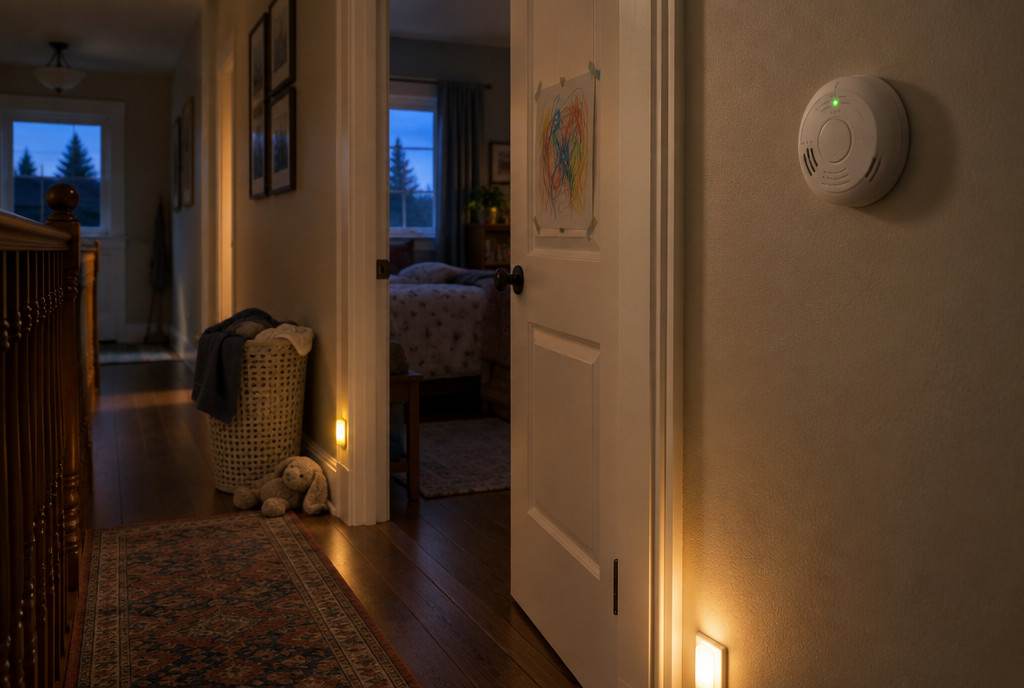
Carbon monoxide testing
No rule found Install alarms anyway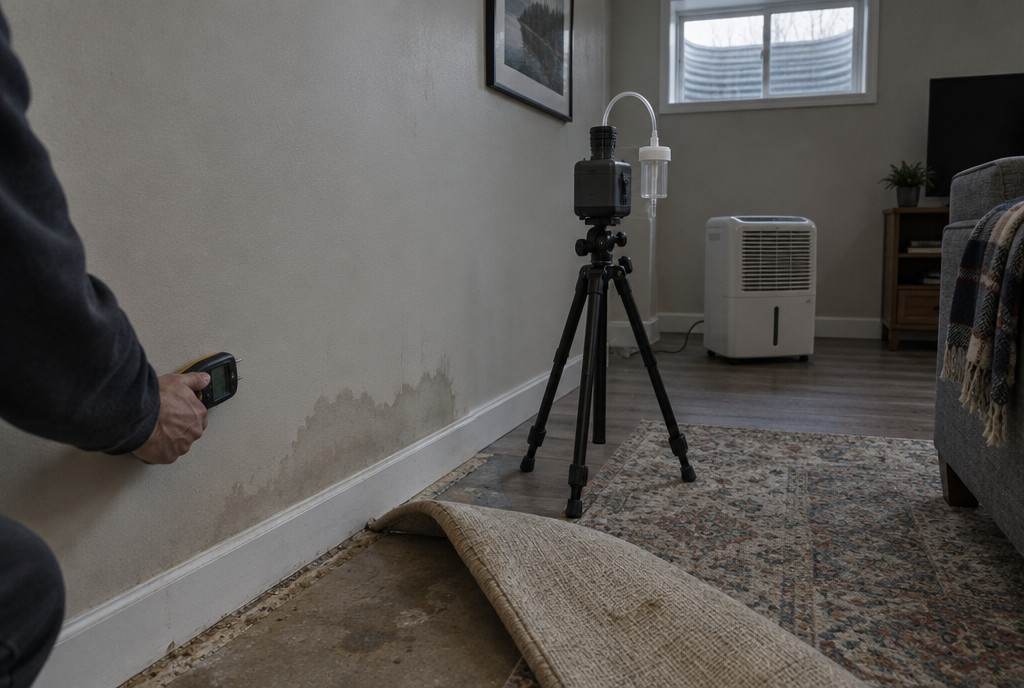
Mould and indoor air quality testing
57% built before 1991 Older homes have more damp spots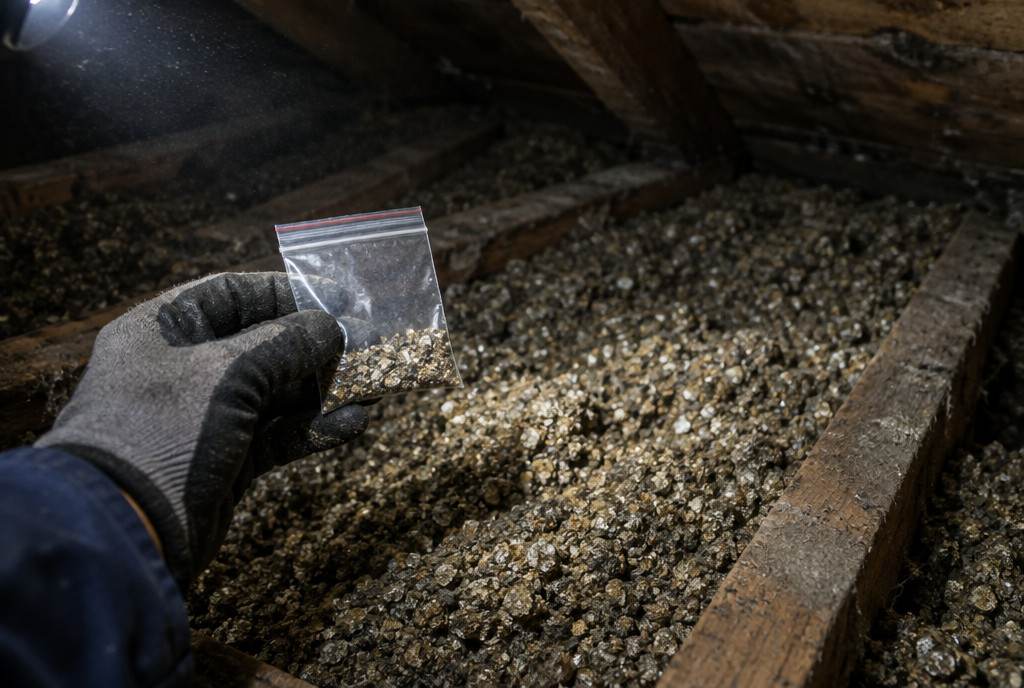
Asbestos and vermiculite testing
57% built before 1991 Common in materials until about 1990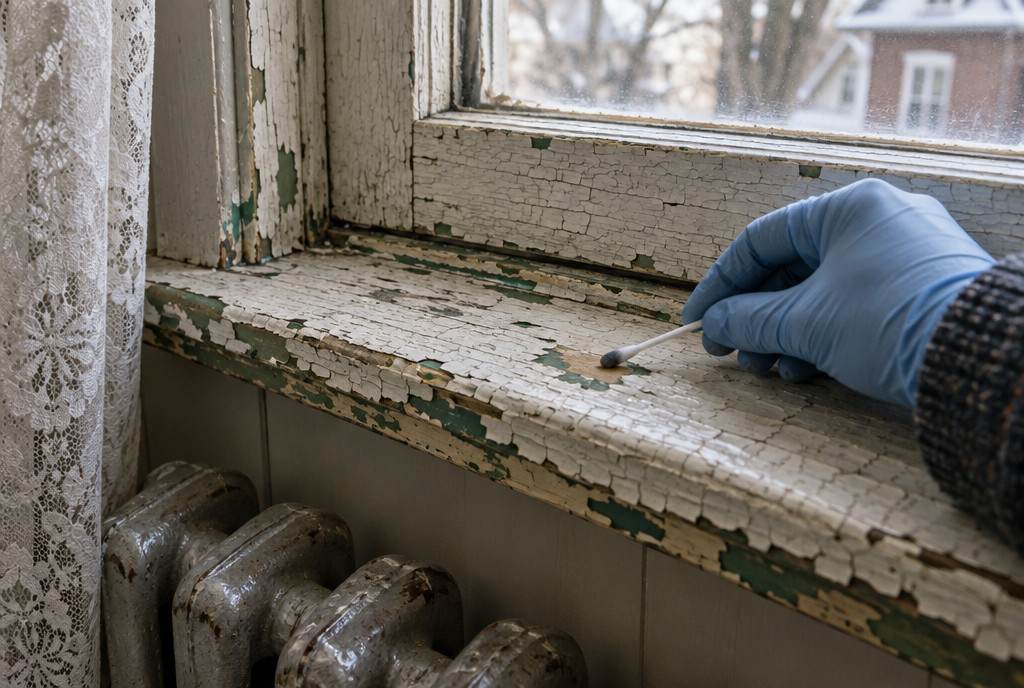
Lead paint testing
3% built before 1961 Pre-1960 paint probably contains lead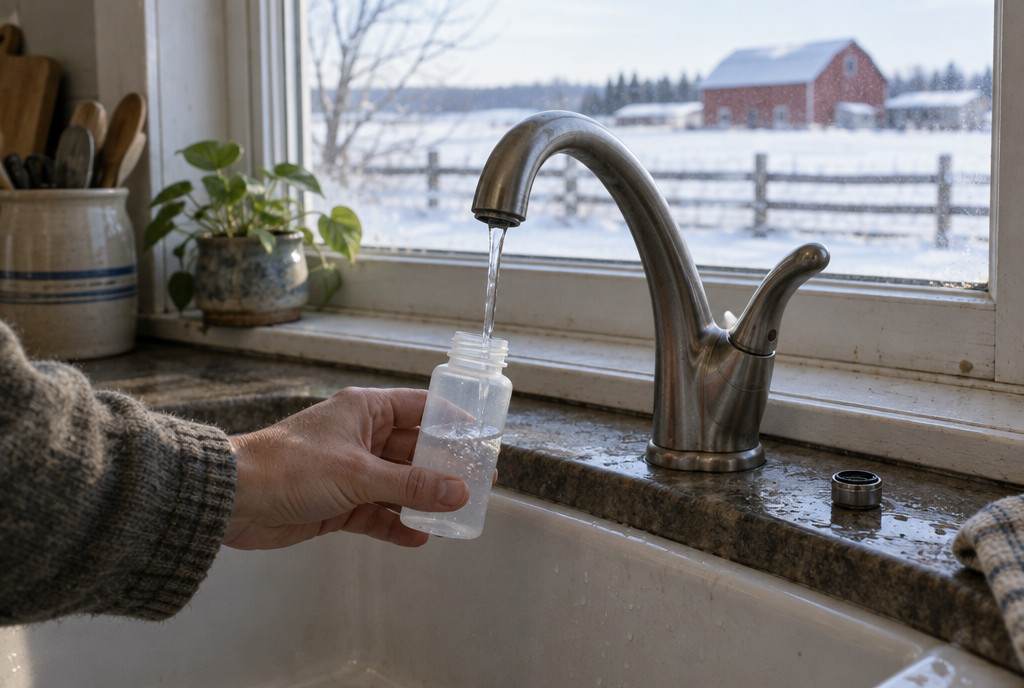
Well water testing
Wells rare Only homes on private wells need itFor businesses and buildings
Who does energy evaluations in Yellowknife
In the Northwest Territories, the Arctic Energy Alliance, a non-profit, is the licensed service organization for Yellowknife.
One NRCan-licensed service organization lists Yellowknife postal codes. See the list with phone numbers and coverage →
Rebates and financing for Yellowknife homes
Cities near Yellowknife
Sources
- Health Canada — Cross-Canada Survey of Radon Concentrations in Homes, final report (2012), Table 5
- NRCan — HOT2000 Climate Map: heating degree-days and design temperatures for 403 locations
- Statistics Canada — 2021 Census, households by period of construction and dwelling type (table 98-10-0233-01)
- Statistics Canada — Households and the Environment Survey 2023, primary heating systems (table 38-10-0286-01)
- NRCan — Service organizations for existing homes (list checked September 25, 2026)
Planning upgrades in Yellowknife?
Tell us where you are and what you’re planning. We’ll connect you with a registered service organization for your area — no spam, no shared lead lists.